Search Results
78 results for “Rabbit fright”

How to Improve the Survival Rate of Young Rabbits
Weaned rabbits under three months old have the lowest survival rate of any age group, with more than half of deaths caused by digestive disorders. Boost survival by minimizing stress during the transition, keeping a calm and clean environment, feeding small frequent meals of digestible high-fiber pellets, and following a strict vaccination and coccidiosis-prevention program.

Rabbit Stress: Causes, Signs, and How to Avoid It
Rabbits are timid and sharp-eared, so strong or repeated shocks can stress them severely, even fatally. Causes include changed water or feed, weather, noise, light, moves, and strangers; signs are raised pulse and breathing, restlessness or hiding, refusing food, and does crushing or rejecting kits. Avoid stress with steady routines, fixed light, temperature control, quiet, and gradual feed changes.
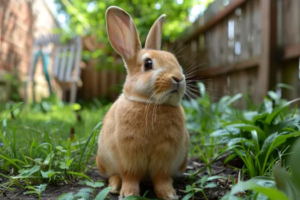
What to Prepare Before a Doe Rabbit Gives Birth
Before a doe gives birth, prepare well; how ready you are directly affects the kits' survival, since does eating kits or kits freezing are not rare. What should you prepare? Let's look.

What Not to Do When Raising a Rabbit
Pet rabbits need care and skill; they are fragile with sensitive guts and specific temperature and humidity needs. Neglect leads to illness and death. Here are the don'ts of keeping a pet rabbit.
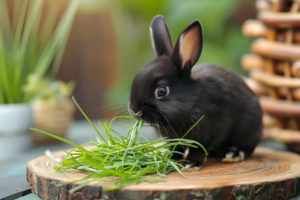
Where Do Rabbits Like (and Dislike) Being Pet?
Rabbits usually enjoy being stroked on the head and back, especially the forehead and ears. They dislike the belly, tail and paws — though it varies by personality. This article looks at a rabbit's petting preferences.
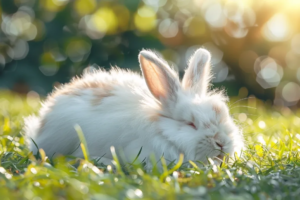
What Affects a Rabbit’s Lifespan?
A rabbit's life is shaped by its own traits, diet, and environment. Feed hay-based balanced food (not just vegetables or sweets), keep the cage clean, dry, and quiet between 15–25°C, house it indoors, avoid over-bathing and neglect, and don't breed females repeatedly — all of which shorten life.
My rabbit suddenly stopped eating, holds its head up and breathes heavily.
Many causes can make a rabbit raise its head and breathe fast, so take it to the hospital. First, a respiratory infection such as a cold or pneumonia needs specific treatment.
What happens if you hit a rabbit on the head?
Rabbits are sensitive and timid, so a sudden hit to the head can cause stress like not eating, trembling and hiding, even death. Their heads are fragile and may be injured, and they may bite in self-defense, eventually fearing the owner.
How often to trim a rabbit’s nails?
Trim a rabbit's nails every 3-4 weeks by growth, using rabbit clippers and avoiding the quick. Calm a frightened rabbit before continuing.
How good is a rabbit’s memory?
A rabbit's memory is not very strong because its brain capacity is limited and its intelligence is comparable to a 1-2 year old child. It can remember very little and forms few long-term memories; it remembers its owner for only 2-3 months but favorite foods longer. Through long-term companionship it can learn the owner's behavior and simple commands, so basic training is possible.