Search Results
504 results for “Overfeeding”
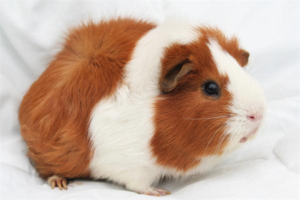
How to Supplement a Pregnant Guinea Pig’s Diet
A pregnant guinea pig eats more—that is normal, as she adjusts her intake to feed the growing babies. But overfeeding risks oversized fetuses and a difficult birth, so balance matters. Aim for about 18% protein from quality sources (fish meal, meat-and-bone meal), plenty of calcium, phosphorus, zinc, and iron, and vitamins A, C, D, E, and K. Vary the feed to keep it fresh and appetizing, and raise the daily amount gradually—roughly 10% more in early pregnancy and 20% more later. Keep feed dry, fresh, and mold-free, and watch her appetite, mood, and droppings daily. Good nutrition and management are what produce healthy, lively pups.
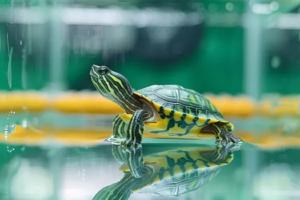
How to Feed and Choose Turtle Pellets
A proper diet is the key to a healthy, long-lived turtle. Choose high-quality pellets made from fresh fish and shrimp and matched to your turtle's species and feeding habits, then control the amount and frequency of feeding. Beyond pellets, offer fresh fruit, vegetables, and greens for extra nutrition—but never chocolate, onions, or other harmful foods. Soaking pellets for 10 minutes before feeding small turtles under 10 cm aids digestion, and rotating brands keeps the diet varied so your turtle doesn't turn picky. A little attention to feeding goes a long way.

How to Tell Good from Bad Bird Feed?
Choosing the best food for a pet bird matters, but the market is crowded with options of wildly varying quality. Good bird feed delivers complete, balanced nutrition—protein, carbohydrates, fats, vitamins, and minerals—made from high-quality raw materials with no harmful additives. It should also feel fresh, smell clean, stay dry, and come from a reputable, certified manufacturer with positive user reviews. You can even judge feed by your bird's droppings: firm, well-formed, slightly glossy stools mean the diet is being digested well. Finally, keep feed dry and out of direct sunlight, and feed the recommended amount to prevent spoilage and obesity. Selecting quality feed is one of the simplest ways to keep your bird healthy and happy.
Everyday Habits That Seriously Harm Your Dog’s Joints
Joint disease in dogs is on the rise, and beyond obesity many overlooked daily habits do real damage. Slippery floors force dogs to grip hard and risk falls; bad exercise — long runs, sharp stops, jumping from heights — wears joints down; frequent stairs overload the knees, especially in long-backed breeds like Corgis; standing on hind legs for attention strains the spine; and overfeeding accelerates cartilage loss, particularly in large breeds with hip-dysplasia risk. Cold, damp floors stiffen joints and worsen pain. Watch for early signs — stiffness after rest, reluctance to jump, hind-leg dragging, pain when touched — and support joints with glucosamine and chondroitin.
How to Care for a Dog with Pancreatitis
Pancreatitis is a high-risk digestive emergency, especially common in overweight middle-aged and senior dogs, and it often returns even after recovery — so proper home care matters as much as treatment. During a flare-up, withhold food and water immediately and see a vet; never self-medicate. After discharge, feed a prescription diet under 10% fat (regular food is 15–20%+), split into 4–6 small meals, and strictly avoid all high-fat foods such as fatty meat, organ meats, fried food, and rich treats. Keep your dog warm to protect the abdomen, allow only gentle short walks, follow the medication plan exactly, and return for regular pancreatic checks. Controlling weight is the best prevention — obese dogs are over three times more likely to develop pancreatitis.

Can hamsters eat apples?
Yes, in small amounts - apples add vitamins and aid digestion, but over 1/8 slice risks diarrhea. High sugar means don't overfeed, and always remove the seeds (cyanide).

How to Tell If Your Cat Is Full?
Many cat owners worry their pet is still hungry and keep topping up the bowl, but overfeeding causes indigestion and obesity. To judge whether a cat has eaten enough, watch its post-meal behavior: full cats groom themselves, leave the feeding area, and settle in a sunny, comfortable spot to rest, while hungry cats linger near the food. In multi-cat homes, satisfied cats may even groom each other. Free-fed cats show weaker cues because constant access lowers food excitement. Note that two behaviors are NOT signs of hunger: guarding the food storage (common in newly arrived, unsettled cats) and showing interest in your own meal (an opportunistic scavenging instinct). Control daily portions by age, health, and appetite to keep your cat at a healthy weight.

Can a Guinea Pig Eat Itself to Death?
Guinea pigs are herbivores that need protein, dietary fiber, and vitamins to stay healthy. Although they are greedy eaters, they have a sense of satiety and will stop when full, so they will not literally eat themselves to death. Their digestion is sensitive, however, and overeating can cause diarrhea, bloating, or obesity. Owners should manage diet and exercise, avoid overfeeding and imbalance, and give the animal enough space and suitable toys to stay active.
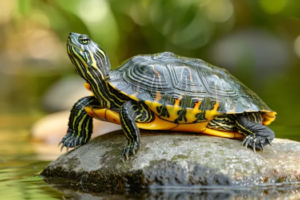
Which Deep-Water Turtles Are Budget-Friendly?
The musk turtle is the most affordable deep-water species because it breeds readily and is widely available, and it is also easy to keep, adaptable, and tolerant of average water quality. Even though it lives in deep water, it still needs a basking spot, so add a platform and let it sun for about two to three hours a day to aid digestion and calcium absorption. With stable warm water, clean conditions, and proper food, a musk turtle is an excellent low-cost choice for new keepers.
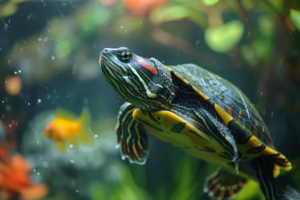
Which Turtles Are Best for Beginners?
Good starter turtles include the Chinese pond turtle, red-eared slider, musk mud turtle, hybrid flower-pond turtle, and common snapping turtle. These species are inexpensive, adaptable, and resilient, so beginners can practice with them. Many new keepers start with the Chinese pond turtle or red-eared slider. As long as basic mistakes are avoided and the turtles are cared for attentively, they can thrive. The most important management tasks are clean water, stable warm temperatures, and a proper basking area to reduce illness.