Search Results
504 results for “Overfeeding”
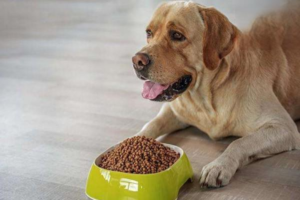
Is Soft-but-Formed Stool a Sign of Overfeeding?
Soft but still-formed stool means the gut is irritated but not yet failing — often from a weird snack, overfeeding, a chill, parasites, or medicine — and can precede real diarrhea or even distemper. Start with probiotics and a bland diet, and see the vet if it doesn't settle.

Winter Dog-Care Myths: Clothes, Heating Pads, Overfeeding, and Boots
Common winter mistakes are dressing every dog (double-coated breeds like Huskies need no clothes), using unsafe heated beds, overfeeding because the dog is less active, and leaving boots on too long, which breeds fungus and warps the gait. Dress only short-haired or single-coated dogs in breathable cotton, and keep portions steady through the cold months.
My hamster’s eyes are swollen and red, possibly from overfeeding sunflower seeds
Swollen, red, discharging hamster eyes may be from heat or conjunctivitis. First clean with saline and keep the diet light with more water; if no relief, try levofloxacin or neomycin eye drops. Also fit a homemade collar to stop scratching.

What Affects a Goldfish’s Health
A goldfish's health hinges on stable water and sensible feeding: season and temperature swings, water quality and chlorine, dissolved oxygen, pH near 6.7–7.4, portion size, and change frequency all play a role. Keep temperature and water steady, dechlorinate tap water, avoid overfeeding, and change water sensibly to lower disease risk.
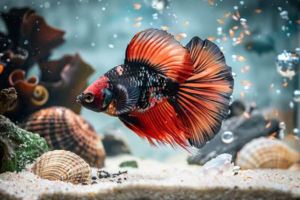
Why Arowana Scales Turn Black and How to Fix It
Blackening scales in arowana usually trace back to unstable water (temperature or quality swings), overfeeding loaches, or bacterial infection. Steady the environment, ease off the loach, or run a medicated bath — and use color-enhancing feeds to bring the sheen back.
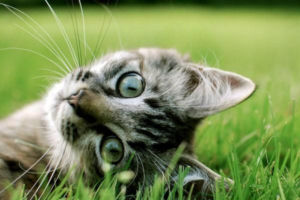
What to Do When Your Cat Has Indigestion
Feline indigestion is a mild gastrointestinal inflammation that disrupts motility, digestion, and absorption; left untreated it hinders growth and can be fatal. Acute cases follow spoiled food and cause violent vomiting and diarrhea, while chronic cases follow overfeeding and cause milder signs, each addressed with a specific herbal formula.
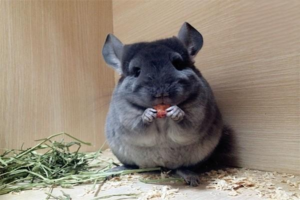
What to Do When a Chinchilla Won’t Eat
A chinchilla stops eating for clear reasons — too many treats, overgrown teeth, heatstroke, or illness and fright — so find the cause before acting. Cut the snacks, support tooth wear, cool it down in summer, and see a vet for genuine sickness.
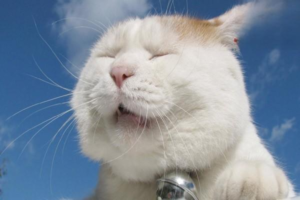
What Does a Cat Need to Develop Cheek Fluff?
Cheek padding — the round "pancake face" — is a secondary sex trait of male cats, driven mainly by genes and helped by age, sex, and breed. Most cats start padding out at 6–8 months if intact and of a prone breed such as British Shorthair, Exotic, Chinchilla, or Himalayan; Siamese, Russian Blue, Sphynx and a few others essentially never will, so overfeeding them only causes obesity.

Common Causes of Feline Obesity
Feline obesity is driven by age, genetics, neutering, and too little exercise, and it raises the risk of heat intolerance, heart disease, diabetes, and a shorter life. Prevention comes down to scheduled feeding, a lean high-protein diet, and daily play.

What to Do If Your Dog Catches Parvovirus (Parvo)
Canine parvovirus (CPV) is a highly contagious, often fatal disease of dogs, especially puppies, causing severe vomiting and bloody diarrhea. Treatment is supportive — fluids, antivirals, and symptom control — alongside vet care. The enteric form (most common) is described here, with a home med list including amoxicillin, probiotics, glucose, and an anti-nausea drug.