Search Results
504 results for “Overfeeding”

Key Points for Keeping Goldfish Healthy
To keep goldfish healthy, follow core rules on tank choice, water quality, diet, and health observation. Pick a tank sized to the fish's number and size for enough swimming room, place it stably and quietly away from direct sun, keep the water clean with regular changes and a filter, and feed a balanced diet without overfeeding. Watch your fish's behavior and appearance to catch problems early.
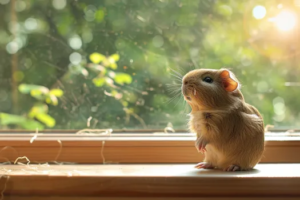
The Dangers of Obesity in Hamsters
Obesity seriously harms a hamster's health. It raises the risk of diabetes, high blood pressure, and heart disease, and can trigger fatty liver, joint problems, and breathing trouble. Extra weight lowers overall vitality, dulls appetite and digestion, and can spoil sleep quality, which then affects physical and mental wellbeing. Prevent it with a varied, balanced diet, controlled portions, and enough space plus a wheel and toys for regular exercise. Knowing breed weight standards helps you spot and reverse excess weight early.

How to Prevent Diabetes in Hamsters
To lower a hamster's risk of diabetes, manage its diet strictly, provide enough exercise, reduce stress, and schedule regular checkups to protect its health. Control sugar intake, avoid overfeeding fruits and vegetables, and prevent obesity. Let the hamster exercise to burn excess energy, control weight, and build overall fitness. Dwarf hamsters are especially prone to the disease, so prevention matters from an early stage.
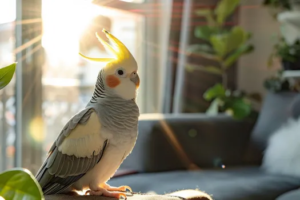
How to Feed a Budgerigar at Every Life Stage
Budgerigars are social, intelligent birds, but their care changes with age. Chicks are the most fragile stage and need frequent hand-feeding with a quality parrot formula and parrot hand-feeding powder, offered in small amounts every few hours around the clock. Adults need a varied diet of grains, vegetables, fruit, and seeds plus a protein boost from boiled egg, formulated protein feed, mealworms, or beans. Through every stage, keep the cage at a comfortable 20-25 C, maintain clean food and water dishes, and allow safe supervised flight time. With the right food and routine, a budgie stays active and healthy.
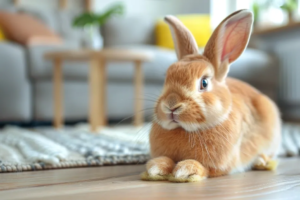
What to Feed a Rabbit With Low Blood Sugar
When a rabbit has low blood sugar, offer foods containing glucose or a nutritional solution; if none is at hand, brown-sugar or white-sugar water works as a substitute. Because a weak rabbit may not eat on its own, the owner must feed it. Keep it warm and gently massage its limbs. Once it recovers, provide pellets and hay to rebuild strength. If symptoms do not improve, take the rabbit to a veterinary clinic where glucose can be injected to raise blood sugar. Regular monitoring and diet adjustment help prevent recurrence.
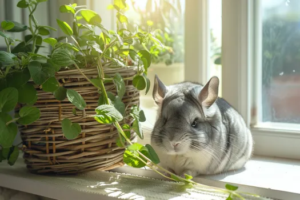
How to Relieve Gas and Bloating in Chinchillas
When a chinchilla is bloated, you can gently massage its abdomen to encourage gut movement and help gas pass. If the bloating persists or worsens, consult a veterinarian who can examine the cause and advise proper treatment. For chinchillas that bloat often, adjust the diet and offer more hay, since its fiber supports digestion and prevents gas. Feeding smaller meals several times a day instead of one large portion also slows eating and reduces digestive upset. This article covers the common signs of bloating and the practical steps you can take at home to help your chinchilla feel better.

Why Do Koi Get Enteritis?
Koi enteritis has many triggers: poor water quality, temperatures that are too high or low, malnutrition, dirty food, and viral or parasitic infection. Good pond management is the first line of defense—keep water clean and the temperature stable, feed a varied, hygienic diet, and test the water and control disease regularly. If a koi does develop enteritis, act fast: fix the water, use antibiotics or anti-inflammatory drugs as a vet advises, and adjust the diet to support recovery.

What to Do When Your Guinea Pig Has Digestive Issues
Guinea pigs have delicate digestive systems, so diet mistakes easily lead to indigestion marked by reduced appetite, weight loss, diarrhea or constipation, bloating, and sometimes vomiting. When symptoms appear, the first step is to adjust the diet: feed a balanced mix, avoid overfeeding hard-to-digest foods like excessive vegetables and fruit, and keep everything fresh. Daily exercise for one to two hours supports gut movement, while a stable, low-stress home environment protects digestion. Adding pet probiotics or prebiotics helps rebalance the gut flora and restore normal function. If symptoms persist, a veterinary visit is essential to rule out gastritis, parasites, or infection. With attentive diet and care, most guinea pigs recover comfortably.

How to Prevent Folliculitis in Dogs
Folliculitis—red, flaky, itchy skin with hair loss—is common in long, short, and hairless dogs alike, but you can lower the risk. Keep the skin clean with dog-specific, lukewarm baths at the right frequency (over-bathing damages the barrier); check the coat and skin weekly for redness, sores, or bald patches; feed quality, balanced food and skip table scraps that trigger obesity and hormone issues; give outdoor exercise to boost circulation and immunity; avoid over-brushing or over-clipping that breaks the skin barrier; and control external parasites with regular deworming. For a dog already affected, keep its space dry and clean, use gentle products, and see a vet promptly for severe signs like pus or intense itching—treatment is usually antibiotics, anti-inflammatories, or topical antiseptics.

Why Can’t My Dog Fall Asleep?
A dog that can't sleep is usually dealing with physical discomfort, emotions, or habits. Pain or unease—made worse by a room that is too hot or cold, noisy, or with a poor bed—keeps a dog awake, so give a comfy, quiet spot and a soft pad. Anxiety, stress, or fear also block sleep; calm and reassure a tense dog, keep its environment free of frights, and add play and exercise to burn off stress. Habits matter too: a heavy late dinner causes night waking, so feed a moderate evening meal and keep a regular bedtime to set its internal clock. If sleeplessness is frequent, see a vet to rule out pain, breathing trouble, or frequent urination.