Search Results
504 results for “Overfeeding”

Papillon Temperament and Care
The Papillon is a small, elegant European breed named for its butterfly-like ears. Weighing just 3 to 5 pounds, it has a soft, flowing coat in white, black, brown, or patterned colors. Despite its size, the Papillon is lively, affectionate, and highly intelligent. These dogs bond closely with their families, greet strangers kindly, and adapt to apartments or houses alike. They are quick to learn and enjoy training, games, and companionship. Because they are active and curious, they need daily exercise, mental stimulation, and regular grooming. A balanced diet, routine veterinary checks, and social interaction keep a Papillon healthy and happy. With the right care, this bright little companion becomes a devoted, joyful member of the household.

How to Care for a Red-Eared Slider (Brazilian Turtle)
Red-eared sliders, often called Brazilian turtles, are inexpensive and hardy, which makes them a popular first pet turtle. But like any reptile, they need the right setup to stay healthy. Provide a spacious aquarium or tub so the turtle can swim freely, keep the water between 20 and 30 degrees Celsius with a heater, and add a basking platform or dry land where it can climb out to warm up and rest. Without natural sunlight, use a UVB lamp to support calcium absorption and shell development. Change the water regularly and keep the substrate clean to prevent infection. Feed a balanced omnivorous diet of vegetables, fruit, insects, and quality pellets, with calcium and vitamin supplements. With consistent care, your turtle can thrive for years.

Can Dogs Eat Cheese?
Cheese is a familiar food that boosts a dog's appetite and supplies calcium, but is it really suitable? Over 4,000 cheeses exist. Harms: overfeeding causes obesity, but more importantly cheese delivers high sodium and lactose. Cheese-making uses salt, and its sodium can cause high blood pressure and organ damage, so experts do not recommend feeding cheese long-term. Benefits: good protein; essential vitamins and minerals; rich calcium; vitamin A; B vitamins; healthy fatty acids. Avoid: blue cheese and other French cheeses—blue produces a toxin fatal to dogs (difficulty breathing, racing heart, then seizures; needs prompt stomach pumping) and has the highest sodium; cheeses with garlic or herbs (Havarti, even cream cheese); Brie and feta, the highest in saturated fat, which can trigger pancreatitis. Dogs to avoid cheese: overweight; lactose-intolerant (diarrhea); picky eaters (cheese won't fix appetite); those with digestive disease (a burden). Choose: low-fat cheese, and cottage cheese if possible (lowest fat and sodium)—always read the label.

Is My Cat Hiccuping or Something Else?
A cat that twitches or spasms isn't necessarily hiccuping. True hiccups appear as a series of brief, rapid jerks, often with a soft 'hic' sound, and are a normal reflex that helps expel stomach gas—usually triggered by eating or drinking too fast. If the twitching doesn't match that pattern, it may point to digestive issues (retching from hairballs or bloating), respiratory infections, or even neurological problems such as seizures. This article explains how to tell hiccups apart from more serious causes and when to see a vet.
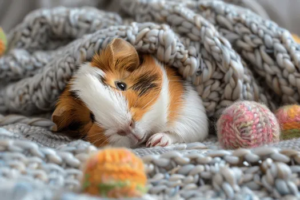
Signs of Internal Imbalance (“Heat”) in Golden Hamsters and What to Do
In small-pet care, "heat" describes a common imbalance in golden hamsters caused mainly by too many fatty, high-calorie treats like seeds, peanuts, and bread. It is not dangerous on its own, but it makes the hamster uncomfortable and can lead to constipation and obesity. The signs range from eye discharge to, in severe cases, prolapse and nosebleeds. The fix is dietary: cut the rich snacks, soften the food, and add a little cooling herb to the water. This guide explains the causes, symptoms, and treatment.

Why Isn’t My Ragdoll Cat Gaining Weight?
Ragdoll cats that eat plenty but never seem to gain weight worry many owners, yet the cause is not always disease. Genetics, low activity, or an unbalanced diet may simply mean your cat burns or absorbs fewer calories than expected. Parasites are another common culprit that blocks nutrient absorption. If diet and exercise adjustments bring no improvement, a veterinary check-up can rule out hyperthyroidism, digestive disorders, or liver problems. This article explains the likely causes and the practical steps you can take at home to help your Ragdoll reach a healthy weight.

Causes and Prevention of Enteritis in Pet Turtles
Enteritis is one of the most common illnesses in pet turtles, and it usually starts with two problems: poor feeding habits such as overfeeding or spoiled food, and infection by bacteria, viruses, fungi, or parasites. The good news is that with the right treatment—stopping diarrhea, then restoring gut function, then refeeding—most turtles recover. Even better, a few steady husbandry habits around water, tank cleaning, and feeding can prevent most cases before they begin. This guide covers both treatment and prevention.

How to Care for a Netherland Dwarf Rabbit
Netherland Dwarf rabbits are active and need both proper housing and a sensible diet to stay healthy. Provide a cage of roughly 80×60×70 cm with soft bedding, safe toys, and chew sticks, and keep the environment at a stable temperature with low humidity, gentle light, and minimal noise. Feed mainly fresh hay (timothy, mixed, or alfalfa) for dental and digestive health, supplement with quality pellets, a little fruit and vegetables, and constant clean water—but control portions, since these rabbits gain weight easily. Build trust slowly through hand-feeding and gentle handling, and check coat, skin, eyes, ears, and teeth regularly.

How to Manage Chronic Indigestion in Dogs
Recurring indigestion in dogs is often linked to poor diet, food allergies, or conditions like gastroenteritis. Managing it starts with the right food: choose an age- and health-appropriate dog food, avoid greasy, spicy, or irritating human foods, and add vegetables, fruits, and fiber to support gut movement. Probiotics or digestive enzymes can aid digestion, while clean bowls and fresh water prevent contamination. Feed smaller, more frequent meals, transition diets gradually, and take your dog for a gentle walk about half an hour after eating to stimulate the gut. Persistent or worsening signs warrant a veterinary visit.

Signs of Pregnancy in Guinea Pigs
A pregnant guinea pig stops going into heat and avoids the male. Appetite and belly size grow, the mammary glands swell as milk production prepares, and in late pregnancy the abdomen is obvious and movement slows. Because guinea pigs are small, signs are subtler than in larger mammals. Confirm with a vet if you suspect pregnancy. During gestation, feed high-quality hay and pellets with enough protein, vitamin C, and calcium; keep the space quiet, dry, and warm; watch weight and behavior; limit stress; and stay in touch with a vet for prenatal checks.