Search Results
862 results for “water changes”

What Your Dog’s Waste and Walk Reveal About Its Health
Beyond temperature, pulse, and weight, a walk is the best window into your dog's health — watch its gait, expression, and the color and shape of its urine and stool. Red or dark urine can mean bleeding, cloudy urine an infection, shiny urine crystals, and orange urine jaundice; soft, bloody, or black stool points to digestive trouble. Catch these early and bring a fresh sample to the vet.

Common Winter Feeding Mistakes for Dogs
As temperatures drop, many owners overfeed their dogs to 'build winter fat,' but that backfires. The real winter risks are digestive upset from sudden diet changes, pancreatitis from too much meat, obesity from sweets, and dehydration from dry indoor air. Keep portions steady, offer warm water under 20°C, and aim for balanced, smaller frequent meals with regular exercise.

Cat Cold: Symptoms, Care, and Prevention
A cat's normal temperature runs 38.0–39.6°C; a dry nose and warm ears hint at fever, and any sick cat needs easy food plus water (a pinch of salt per 100 ml, syringed if it won't drink). Keep the environment clean, warm in winter, and well-ventilated in summer, and take the cat to a vet promptly if symptoms worsen or it stops eating, drinking, or breathing easily.

Why Is My Cat Having Diarrhea Again?
Diarrhea is loose or unformed stool from food moving too fast through the gut to absorb water and nutrients, and it can be acute or chronic. Causes range from infections, parasites, and diet changes to stress and underlying gut disease; at home, keep water available, feed small frequent easily digested meals, and use smectite or pet probiotics for mild cases — but see a vet for blood, fever, lethargy, or ongoing diarrhea in an unvaccinated cat.
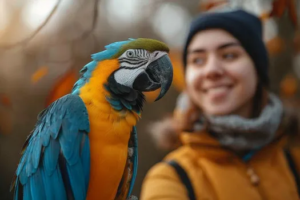
Best Ways to Treat Diarrhea in a Budgerigar
Diarrhea in budgerigars shows as watery, discolored droppings, a soiled vent, lethargy, and extra drinking — and can be fatal if ignored. Start with garlic water and warmth for a day or two, move to oxytetracycline if there's no improvement, and suspect chlamydia (psittacosis) when eye and nose discharge appear.

How to Feed Cats at Different Life Stages
Feeding changes with age: newborn kittens need mother's milk or kitten formula (never cow's milk), wean onto soaked kitten kibble by two to four months, add cans and egg yolk through six months, switch to adult food after a year, and move seniors to soft or soaked meals. Match the diet to each stage to avoid malnutrition and tummy trouble.
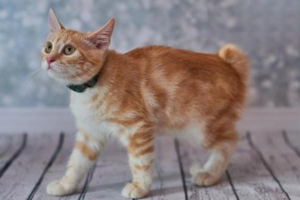
Does a Cat Need to Fast Before a Checkup? Pre-Exam Tips
Cats should be checked at least yearly, with tests matched to age — and a little prep improves accuracy. Keep life calm for a week before, fast only if blood glucose or bile-acid tests are planned, and bring a note of any changes (drinking, weight, vomiting, litter habits) to discuss with the vet.
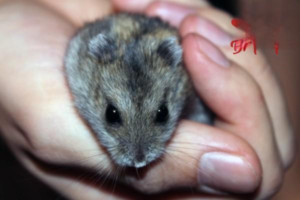
Tips to Prevent Wet Tail in Hamsters
Wet tail is a deadly hamster diarrhea — gray-white, stinking stool, lethargy, often fatal within three days, usually from contaminated food or water and spread between cagemates. Prevent it with daily clean water (a little glucose helps), frequent food changes, dry absorbent bedding, and a well-ventilated cage; a pediatric probiotic can ease mild cases. Young hamsters need the most protection.

Rabbit Diarrhea Caused by Poor Daily Management
Many cases of rabbit diarrhea trace back to everyday husbandry mistakes rather than infection: too much concentrated feed, sudden diet changes, toxic or moldy feed, temperature swings, antibiotic overuse, and overfeeding weak kits. Matching the symptom pattern to the cause helps you fix it fast.

Dog Runs Back Inside to Wake Owner During Earthquake
Before an earthquake, dogs may bark nonstop and run around because animals are sensitive to seismic activity. Beyond pets, watch for small foreshocks, changing well and river levels, burrowing animals fleeing, restless livestock, strange bird and insect flight, odd plant blooming, and light or sound signals—then move to safety.