Search Results
862 results for “water changes”
Why Older Cats Are Prone to Hyperthyroidism
Hyperthyroidism is the most common endocrine disease in cats, especially those over 8, caused by an overactive thyroid flooding the body with hormone and stressing every organ. Look for weight loss with a ravenous or fading appetite, restlessness, a fast heart rate, and more; it's very treatable with medication, surgery, radioiodine, or an iodine-restricted diet, and early care brings a good outlook.

What to Do When a Kitten Catches a Cold
Kittens catch colds easily from seasonal changes or contact with sick cats, and the smallest ones have the weakest immunity. Watch for a dry, warm nose, sneezing, coughing, runny eyes, and loss of appetite, then check the temperature, adjust the diet, encourage sunlight and ventilation, and use cold medication as needed.
How to Tell If a Cat Is Stressed
A cat's mood swings sharply with its environment, and stress ranges from a few days of acute reaction to chronic pressure lasting weeks or months—the chronic kind is the most dangerous. Common chronic triggers include multi-cat conflict, moving, new family members, litter-box problems, diet changes, and shifts in the owner's own routine or stress.
What to Do About Your Cat Shedding
Shedding is usually normal—seasonal coat changes, but also ringworm, too much dietary salt, or poor nutrition. Brush daily through the molting season and give hairball paste, cut salt and human food, feed balanced nutrition, and see a vet for suspected ringworm.
Cold Symptoms and Fever in Sphynx (Hairless) Cats
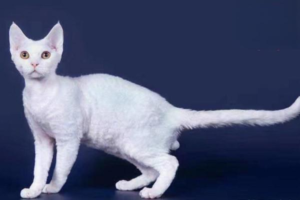
Sphynx (hairless) cats lack a fur coat and lose heat far more easily, so they catch colds more readily than other breeds. Mild cases with a low fever under 39.5°C can often recover at home with warmth and supportive care, but a cat that won't eat, grows weak, or fails to improve needs prompt veterinary attention.

Symptoms and Signs of Arthritis in Dogs
Arthritic dogs show stiffness getting up, swollen painful joints, less activity, limping, odd postures to ease pain, and mood changes like sleepiness or irritability. Because arthritis is hard to cure, prevention and early joint support beat treatment — ask a vet about prescription diets and joint protectants.

How to Prevent Disease in Ornamental Fish
Ornamental fish health rests as much on water as on the fish themselves: stable temperature, clean filtration, and unspoiled food prevent most illness. Daily habits — a properly sized filter, tight control of pH, hardness, ammonia and temperature, close observation of behavior and droppings, and routine disinfection of tank gear and live food — keep disease from taking hold.

About Feline Epiphora (Excessive Tearing)
Epiphora is abnormal tear overflow, caused either by blocked drainage through the nasolacrimal system or by excessive tear production beyond what drainage can handle.

How to Help a Kitten Quickly Adapt to a New Environment
Will a kitten have a stress reaction in a new home? What if a shy kitten refuses food? How should a newcomer get along with a resident cat? These seem simple but make owners very anxious.

The Dangers of Canine Parvovirus (CPV)
Any dog owner has heard of canine parvovirus with dread, but how much do you know? It's one of the most severe contagious diseases of dogs!