Search Results
862 results for “water changes”
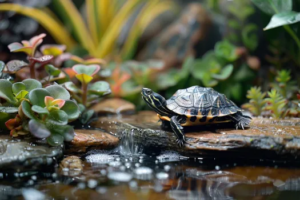
Do Turtles Need Frequent Water Changes?
Change frequency depends on the setup: a normal aquatic turtle about every 3 days, more often in hot weather or with high stocking density, and every 7 to 15 days with good filtration. Always change only one-third of the water, use dechlorinated water, and match the temperature closely to avoid stressing the turtle.
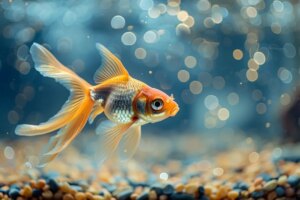
Do Blood Parrot Fish Need Frequent Water Changes?
Blood parrot fish are vivid and popular ornamental fish, but water quality must be watched closely. Many keepers are unsure how often to change the water and how to do it properly. This article explains whether parrot fish need frequent water changes and the correct method.
Poor earlier housing with infrequent water changes; after improving it I found an unknown fleshy lump on the turtle’s front foot. Appetite and routine are unaffected. How to treat it?
A pus-filled white lump on the front foot may be scabies disease, a common turtle skin lesion mostly from mild Aeromonas hydrophila invasion, though some bacteria or fungi also cause it. Early cases still eat, then eat less, and severe cases stop eating and slow down.

Why Cats Get Diarrhea When the Weather Changes Suddenly
Cats are sensitive to abrupt temperature swings, and a sudden cold snap can trigger stress-related diarrhea as gut motility speeds up. At home, keep their bedding warm, skip frequent winter baths, and use a cat probiotic mixed into food or warm water to steady digestion and rebalance gut flora.

Why Does My Dog Drink Toilet Water?
For free-roaming dogs, finding your dog anywhere is normal - especially causing mischief. Here's why it drinks from the toilet.
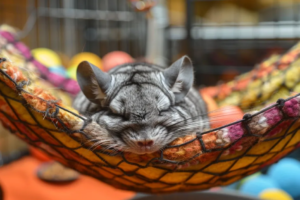
Can Hamsters Drink Warm Water?
Hamsters evolved in arid deserts and are drought-tolerant, but pets must drink. Use a bottle with boiled-cooled or purified water changed daily; warm water is fine and helpful during diarrhea or winter, but never hot. Vegetables do not replace drinking water.

Rabbit Otitis Media: Symptoms and Pathological Changes
Otitis media in rabbits is subtle early on; a head tilt, or torticollis, is the main clinical sign, sometimes with lethargy, difficulty drinking and weight loss. Early on the eardrum and tympanic wall redden or rupture, and severe cases progress to purulent meningoencephalitis. The main pathogen is Pasteurella multocida.

Which Ornamental Fish Can Live in Cold Water?
If heating the tank feels like a hassle, choose coldwater fish. Good options include the white cloud mountain minnow, comet goldfish, paradise fish, medaka, goby, bitterling, hillstream loach, and koi — most thrive between 5 and 30°C without a heater, though very low temperatures can dull their color.

What to Know About Using Tap Water for Fish
Tap water contains chlorides harmful to fish. Let it stand or air 3 days so chlorine evaporates. Match its temperature to the tank to avoid shock; use a heater or ice pack if needed. Some areas' water has unsuitable hardness or pH—test with kits. Change 1/5–1/3 every 3 days to a week to keep stability.

How Deep Should Goldfish Water Be?
Keep goldfish water 30-50 cm deep. Moderate depth aids swimming and growth; too shallow limits space, too deep hinders feeding and breathing. Ornamental types (butterfly tail, dragon-eye) prefer shallower water, active types (ryukin, Thai lion) prefer deeper. Adjust by the fish's behavior and keep water quality and oxygen good.