Search Results
862 results for “water changes”

What Affects a Goldfish’s Health
A goldfish's health hinges on stable water and sensible feeding: season and temperature swings, water quality and chlorine, dissolved oxygen, pH near 6.7–7.4, portion size, and change frequency all play a role. Keep temperature and water steady, dechlorinate tap water, avoid overfeeding, and change water sensibly to lower disease risk.
Signs a Blood Parrot Cichlid Is Nearing Death
As a blood parrot cichlid nears the end of its life, activity and especially appetite drop sharply, and some fish shed scales even without disease. Lethargy and rapid breathing are also clues. Good nutrition, stable water, and disease prevention help extend its roughly two-to-three-year lifespan.

Cat Diarrhea: Causes and What to Do
Cat diarrhea ranges from simple diet-change soft stool in kittens to bacterial or viral enteritis and intestinal parasites. Most mild cases improve with a short fast and gut-support supplements, but enteritis needs prompt fluids and antiparasitic or antiviral care, and persistent unformed stool calls for deworming.
Cat Cystitis (FIC): Symptoms and Treatment
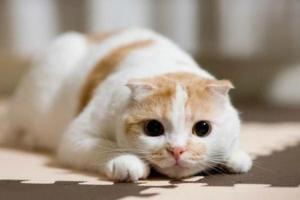
Feline cystitis — often FIC, or idiopathic cystitis — irritates the bladder and urethra and is usually stress-driven. Watch for straining, frequent small urinations, peeing outside the box, over-grooming the belly, blood in the urine, and hiding or aggression. A male cat that can't pass urine is a blocked and life-threatening emergency. Prevent it with stress control, more water, and a urinary prescription diet.

Can Urinary Blockage Kill a Cat?
A blocked cat can't pass urine and, left untreated, faces acute kidney failure, bladder rupture, shock, and death within a short time. Early signs are smaller urine clumps, frequent straining, crying in the box, blood in the urine, then collapse. Treatment is catheterization plus fluids, with antibiotics or surgery for underlying stones; at home, an anti-inflammatory plus a diuretic helps. Prevent it with more water, less stress, exercise, check-ups, and watching the litter clumps.

Symptoms of Hepatitis in Dogs and How to Treat It
Canine hepatitis commonly shows up as loss of appetite, lethargy, digestive upset, weight loss, and anemia. Treatment targets the underlying cause and combines medication to support bile flow with a balanced diet and steady at-home care.

Why Are My Cat’s Gums Red at the Edge?
Red gums at the margin usually mean gingivitis, and left alone it can deepen into stomatitis—bad breath, drooling, mouth ulcers, and pain that stops a cat from eating. Catch it early with diet changes and oral care; severe cases may need a full extraction.

Feline Idiopathic Cystitis: What It Is and How to Help
Feline idiopathic cystitis, or stress-linked cystitis, is the most common lower urinary tract disease in cats, making up about a third of cases. It is diagnosed by ruling out infection and stones, then eased by cutting stress, using facial pheromones, and boosting water intake.
How Weather Affects Your Cat’s Mood and Health
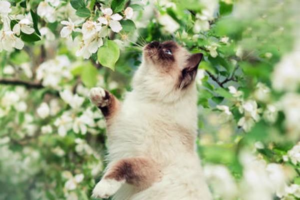
Cats feel weather as keenly as people do, storms, cold, heat, and humidity all shift their mood and health. Watch for heatstroke and hypothermia in extremes, and keep the home between 20 and 25 C with sun, warmth, and steady routine.

Why Is Your Cat Suddenly Limping?
Sudden lameness in cats can stem from injury, arthritis, hip dysplasia, or even aortic thromboembolism. Catch it early, get a proper diagnosis, and manage weight, joints, and environment for better recovery.