Search Results
230 results for “turtle shell rot”

Yellow-blotched Sawback
The Yellow-blotched Sawback (Graptemys flavimaculata) is the most vividly marked map turtle, endemic to Mississippi's Pascagoula River. Strictly protected in the United States and rarely seen in trade, it has no successful captive breeding.
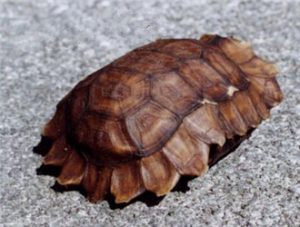
Forest Hinge-back Tortoise
The African hinge-back tortoise (Kinixys erosa), also called the forest hinge-back, is one of the most prized hinge-back tortoises from Africa. It can fold the rear of its carapace — a unique defense and breathing aid — and demands high humidity and experienced care.
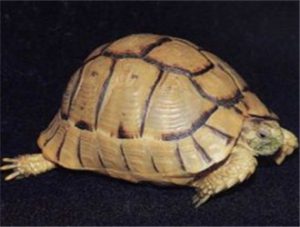
Egyptian Tortoise
The Egyptian Tortoise (Testudo kleinmanni) is the smallest tortoise in the Northern Hemisphere and the most fragile, hardest-to-keep Mediterranean tortoise. Tiny changes in environment or diet can cause stress death; do not mix it with other turtles.
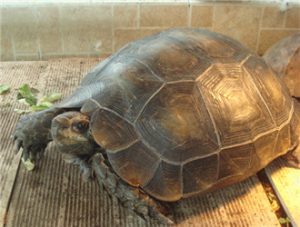
Burmese Mountain Tortoise
The Burmese Mountain Tortoise (Manouria emys) is one of Asia's largest tortoises, a shy forest dweller from western India to Vietnam and Sumatra. It loves warmth and humidity, shuns bright light, and is a committed herbivore that rarely accepts animal food.
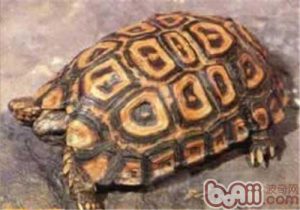
Natal Hinge-back Tortoise
The Natal Hinge-back Tortoise (Kinixys natalensis) is one of six hinge-back tortoises, a small, strikingly patterned herbivore found only in South Africa's Natal province. Scarce and specialized, it needs a dry semi-desert setup and a high-fiber, low-protein diet.
Mississippi Diamondback Terrapin
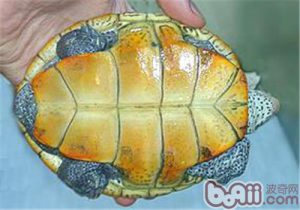
The Mississippi Diamondback Terrapin (Malaclemys terrapin pileata) is a semi-aquatic turtle from the brackish coastal marshes of the southeastern United States. Demanding about water quality, temperature, and a touch of salt, it is uncommon in the pet trade and requires committed care.

Geometric tortoise
The Geometric Tortoise (Psammobates geometricus) is a rare, strikingly patterned South African tortoise protected as endangered. Extremely sensitive to humidity and a challenge to keep alive in captivity, it is best appreciated in the wild or by experts.

Home’s Hinge-back Tortoise
The Home's Hinge-back Tortoise (Kinixys homeana) is a shy, high-difficulty African tortoise known for its hinged rear carapace and a 90-degree rear shell drop. It prefers warm, humid conditions with ample shade and a varied omnivorous diet, but is prone to stress-induced sudden death, so it is not recommended for beginners.

Gopher Tortoise
The Gopher Tortoise (Gopherus polyphemus) is a burrowing land turtle of the southeastern United States, strictly herbivorous and protected by law due to its small wild population. Famous for digging deep burrows (11–15 m), it needs a dry, sandy outdoor enclosure with plenty of sunny space.
Kinosternon dunni
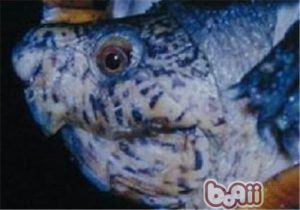
Kinosternon dunni, the Colombian Mud Turtle, is a semi-aquatic musk-turtle relative from Colombia's streams, mostly herbivorous and similar in looks to the narrow-bridged mud turtle. A prolific breeder, it benefits from a short, safe hibernation and a varied, plant-rich diet.