Search Results
22 results for “taming”

Keeping and Taming Lovebirds (Agapornis)
Lovebirds (Agapornis) are small, pretty, affordable African parrots that cannot mimic human speech clearly but copy other birds and animals well. Keep them in pairs or flocks in a sturdy cage, bathe them weekly in summer and dry in sun, and feed varied seed, millet, oyster shell, and fruit. For chicks, use wood-shaving bedding, keep warmth above 25°C, and build a call signal during feeding so they bond and recognize you.
I just brought home a 36-day-old female lovebird; it screeches when I approach, won’t take formula, and is very resistant
New birds are scared, so do not frighten or force handling, which makes taming harder. Gradually approach with food and a gentle voice until it gets used to you.

How to Handle a Bad-Tempered Cat
A cat's bad temper may be innate or caused by poor handling or stress. Build trust through a safe environment, a stable routine, and positive training that redirects its attention, and the behavior will improve.

How to Tame a Chinese Li Hua Cat’s Wild Nature
Taming a Li Hua cat starts with a safe, enclosed space to ease its wariness, then building trust through calm presence, timed feeding, and gentle play. Use positive reinforcement to teach basic commands, and give it regular exercise to satisfy its hunting drive.

How to Tame an Aggressive Cockatiel
A cockatiel that turns aggressive is usually frightened, nervous, or unsettled in its surroundings—not truly mean. Win its trust with patient, gradual contact, a calm setting, and regular gentle interaction rather than force or punishment.

How to Care for a Roborovski Hamster
The Roborovski hamster is adaptable, gentle, and lively, but smaller, shyer, and oilier than other hamsters, so care needs a few tweaks. Pick a cage with narrow bar spacing and solid quality to stop escapes, bond slowly with gentle handling and treats, and keep the coat clean with a sand bath about once a week. Because they are tiny and skittish, patience and a quiet environment matter most. This article covers their traits and the practical care routine.

Swallow Beauty
The Swallow Beauty, also called the Swallow Beauty Lantern Fish, gets its name from pelvic fins that have mutated into two long, pointed fins shaped like a swallow. It was first discovered by a German aquarist in 1973.
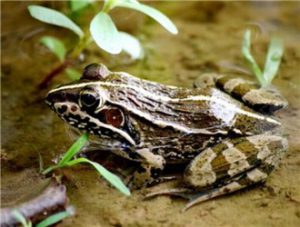
Indian Bullfrog (Tiger Frog)
The stout 'frog of Asia' with tiger-like markings - a China Grade II protected amphibian. Private keeping is illegal; profile is for farmers and breeders.
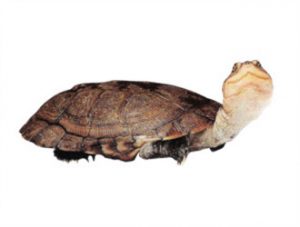
Helmeted Turtle
A common, hardy African side-neck turtle - small, gregarious, a strong carnivore, and a good tropical-community water turtle (no brumation).
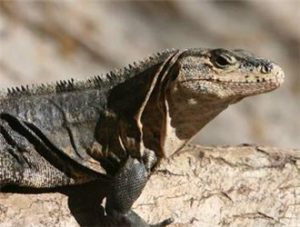
Black Spiny-tailed Iguana
The Black Spiny-tailed Iguana (Ctenosaura similis) reaches about 1 m as an adult, gray with black cross-bands, though mainly green as a juvenile. Diurnal and arboreal, it is more aggressive than the green iguana and needs long taming — not for beginners or homes with young children.