Search Results
568 results for “staple”
How to Relieve Gas and Bloating in Chinchillas
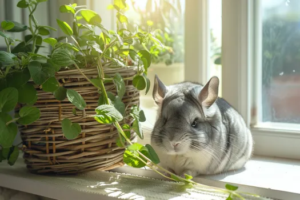
When a chinchilla is bloated, you can gently massage its abdomen to encourage gut movement and help gas pass. If the bloating persists or worsens, consult a veterinarian who can examine the cause and advise proper treatment. For chinchillas that bloat often, adjust the diet and offer more hay, since its fiber supports digestion and prevents gas. Feeding smaller meals several times a day instead of one large portion also slows eating and reduces digestive upset. This article covers the common signs of bloating and the practical steps you can take at home to help your chinchilla feel better.

What Foods Can Harm Your Hamster’s Health?
Not every food that is safe for people is safe for hamsters. Chocolate, caffeine, fatty or fried foods, sugary and salty items, and anything containing alcohol or artificial sweeteners can cause digestive trouble, obesity, poisoning, or even death. Certain fruits and vegetables, such as citrus, garlic, and onion, can also trigger poisoning or stomach irritation, while too much high-fat food may lead to obesity, liver disease, and heart problems. Hamsters need a balanced diet, and a single, repetitive food source can cause malnutrition. Learning which foods to avoid, and how to build a healthy daily menu, helps keep your small pet safe and thriving.
Essential Hamster Care: What Every Owner Should Know
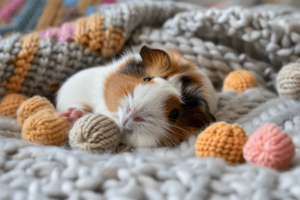
Keeping a hamster healthy and extending its lifespan depends above all on proper husbandry. Before bringing a hamster home, owners should prepare a spacious cage with suitable bedding, a food bowl, a water bottle, and an exercise wheel, then keep the enclosure clean and disinfected on a regular schedule. A balanced diet built around a high-quality hamster mix, supplemented with small amounts of fruit and vegetables, and constant access to fresh, safe drinking water are equally important. This guide covers the fundamentals of scientific hamster care: building a comfortable habitat, providing nutritious food and clean water, maintaining a tidy living space, encouraging daily exercise, reducing stress, and managing temperature through the seasons. With the right setup and routine, even first-time owners can help their pet thrive.
How to Feed Goldfish a Balanced Diet
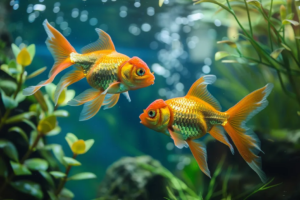
Goldfish are omnivores that eat both plant and animal foods, so a sensible diet mixes the two. Offer finely chopped veggies and fruit—carrot, cucumber, apple—for vitamins and fiber, plus small live or frozen foods like daphnia, bloodworms, and brine shrimp for protein. Feed a quality goldfish pellet as the staple, twice daily in amounts finished within 10 minutes, and keep the water clean, oxygenated, and planted with greenery. A varied, measured diet, with the occasional live-food treat, is the recipe for healthy, vibrant goldfish.
Can Cats Eat Red Beans?
Cats are obligate carnivores with short intestines and no salivary enzymes for breaking down carbohydrates, so their ability to digest plant foods like red beans is limited. Red beans do contain some protein and fiber, but far less protein than a cat needs, making them a poor staple. In small amounts, plain cooked red beans are generally safe and the fiber can even aid digestion, but too many beans or starch can cause indigestion and stomach upset. If you offer them, serve only a small portion of plain, fully cooked, unsweetened beans, never raw. The same caution applies to other grains such as corn, rice, millet, and oats, which cats also digest poorly and may trigger allergies in sensitive individuals. Keep grains occasional and always cooked.
Why Are Overweight Cats Prone to Pancreatitis?
Chubby cats may look adorable, but excess weight quietly raises the risk of pancreatitis, a painful and serious inflammation of the pancreas. The pancreas secretes enzymes that digest fat, protein, and carbohydrates, but it is a sensitive organ that becomes inflamed when overworked. Overweight cats usually take in too much energy and fat, forcing the pancreas to produce extra digestive juice and overloading it. Obesity also disrupts cholesterol and fat metabolism, adding further pressure. Many heavy cats also eat large amounts of high-fat, high-calorie food, which expands the gut and stresses the pancreas even more. Age, genetics, and certain diseases add to the risk, so while obesity is not the only cause, it is a major one. Keeping your cat at a healthy weight through balanced, low-fat food and regular play is the best defense.

What to Do When Your Guinea Pig Has Digestive Issues
Guinea pigs have delicate digestive systems, so diet mistakes easily lead to indigestion marked by reduced appetite, weight loss, diarrhea or constipation, bloating, and sometimes vomiting. When symptoms appear, the first step is to adjust the diet: feed a balanced mix, avoid overfeeding hard-to-digest foods like excessive vegetables and fruit, and keep everything fresh. Daily exercise for one to two hours supports gut movement, while a stable, low-stress home environment protects digestion. Adding pet probiotics or prebiotics helps rebalance the gut flora and restore normal function. If symptoms persist, a veterinary visit is essential to rule out gastritis, parasites, or infection. With attentive diet and care, most guinea pigs recover comfortably.

How to Choose the Right Snacks for Your Chinchilla
The right snacks are key to a chinchilla's health and happiness. Chinchillas are omnivores that enjoy dried fruit, nuts, vegetables, and fruit, but some foods—chocolate, onion, caffeine—are toxic and must be avoided. Choose high-quality, additive-free, natural snacks; keep portions small to prevent obesity; vary the types to hold interest; respect individual texture preferences; and stop any food that triggers vomiting or diarrhea. Snacks also double as bonding tools during gentle play.
Can a Chinchilla Eat Only Alfalfa Hay?
Feeding a chinchilla only alfalfa long-term leads to poor nutrition and health problems. Chinchillas are omnivores that need variety—grass hay, dried fruit, nuts, vegetables, and fruit—to meet all their needs. Needs also change with age: youngsters need more protein and calcium for fast growth, while adults need high-fiber hay to aid digestion and wear their teeth. Use alfalfa mainly for juveniles and shift adults toward timothy hay.

Why Is My Rabbit Constipated?
Rabbit constipation has many triggers: poor diet, too little exercise, not enough water, or an underlying illness. Rabbits are herbivores whose staple is grass, rich in the fiber their gut needs; a low-fiber or dry, hard diet—plus too much sugar or fat—stalls digestion. Without exercise, gut movement slows; without water, stools dry out. Persistent constipation can also signal blockages, parasites, or other disease, so see a vet if it keeps up. Fix it with more fiber (grass, vegetables), regular exercise and outdoor time, and constant fresh water—and ask a vet if it lingers.