Search Results
59 results for “stale food”

Why Is My Cat Not Eating and What Should I Do?
A cat that won't eat may have respiratory, digestive, or dental disease, a foreign body, or simply dislike the food — stale kibble, sudden changes, or boring shape. Long fasting risks fatal hepatic lipidosis, so fix the cause: clear the nose, vary the diet, and see a vet for illness.

Causes and Pathological Analysis of Turtle Enteritis
Turtle enteritis is usually triggered by a sharp drop in enclosure temperature or spoiled food, and good husbandry and careful feeding prevent most cases. This article covers the causes, the staged symptoms (from mild loose stools to severe floating, refusal to eat, and limb weakness), and the pathology—where lost electrolytes weaken the gut's absorption and must be replenished—plus treatment centered on anti-inflammatory, anti-diarrheal, and mucosal care.

Siberian
The Siberian Forest Cat, shortened to Siberian Cat, has the earliest written records from the 11th century: it was a very common cat in Russian markets and Siberian villages. Living in a harsh country, it is covered in long fur with a thick ruff around the neck. Its outer guard hairs are hard, smooth, and oily, and its dense undercoat resists the Siberian cold.

Somali
The Somali cat looks much like the Abyssinian—slender, slightly rounded, with big V-shaped ears and almond eyes—but with a semi-long, soft, dense coat. Developed in the US and Canada from a spontaneous long-haired mutation of the Abyssinian, the Somali is intelligent, gentle, playful, and water-loving, though its abundant coat needs regular grooming.

Birman
The Birman, also called the sacred cat of Burma, is a medium-sized cat with the Latin name Birman. Although now distributed worldwide, legend says they once lived only in Myanmar and were kept by temple monks; because they guarded the hall, they are considered temple guardian cats.
What does a green arowana eat?
Green arowana are carnivorous, eating small fish, shrimp, crabs, and aquatic insects, hunting in weeds with sharp teeth. They prefer fresh food in clear water; feed specialized food with live prey.

Silvered Agouti Guinea Pig
The Silvered Agouti Guinea Pig can live as long as ten years; if you are sure you want it as a pet, make sure no other dogs, cats, or animals at home can harm it.

Edwards’s Fig Parrot
Edwards's Fig Parrot (Psittaculirostris edwardsii) is a larger fig parrot whose sex can be told from plumage—males have red chest and belly, females blue-purple. It lives in humid lowland forests and feeds mainly on figs, nectar, insects, and fruit, and is easier to breed than smaller fig parrots but has high chick mortality.

What Causes Wet Tail in Hamsters?
Wet tail in hamsters comes from dirty water, poor cage hygiene, stress and anxiety, or disease such as enteritis and parasites. The clearest sign is a wet tail plus hair loss, redness, and itching; untreated, it can ulcerate. Treatment targets the cause—warmth and cold medicine, easily digested food and probiotics for gut issues, deworming for parasites—and a clean, dry, roomy home prevents it.
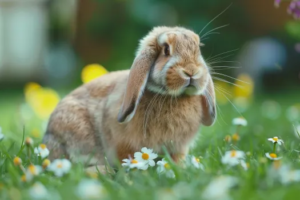
Why Won’t My Rabbit Eat Hay?
A rabbit's refusal of hay can trace to the hay's freshness, variety, or quality, as well as the rabbit's age and health. Stale, smelly, or single-type hay may be rejected, so keep the diet varied and the hay high-quality. If refusal persists, watch for an underlying health problem and consult a vet.