Search Results
59 results for “stale food”

Dog Rumination: What It Is and How to Treat It
Rumination is when a dog brings food back up and immediately re-chews and swallows it—unlike vomiting, where the food is simply expelled. Manage it by fasting, identifying the cause (overeating, eating too fast, ulcers, gastritis, or something toxic), and seeing a vet if bile, blood, or persistent vomiting appears.

What Makes a Healthy Rabbit Diet?
A rabbit's gut is delicate, so a complete commercial pellet should form the base of the diet, supplemented with hay, washed vegetables, and fruit given in moderation. Avoid irritants, spoiled food, and toxic items like chocolate or moldy feed, and provide chews to keep teeth from overgrowing.

How to Get a Dog That Won’t Drink Water to Drink
Water is essential for a dog's normal physiology and metabolism. Both humans and dogs need lots daily. Water is over 60% of an adult dog's weight, about 80% of a puppy's. Lack of water causes stalled digestion, constipation, trapped toxins reabsorbed, severe gut damage, and long-term stones and disease.

Causes of Feline Kidney Failure
Acute kidney injury usually comes from ingesting toxins (plants, pesticides, cleaners, human drugs) or anesthesia complications; chronic failure stems from kidney damage or age-related degeneration, averaging onset near age 7. Diet, checkups, and keeping toxins away are key prevention.

Can Hamsters Sunbathe?
Hamsters should never be put in direct sunlight. As nocturnal animals their eyes are built for low light, so sun exposure can injure their eyes; their safe temperature is around 25°C, above which they risk heatstroke and death within minutes; and bright light stresses them badly. In winter, keep them warm with extra bedding and a warmer, well-ventilated room instead.
Should You Force-Water a Cat That Won’t Drink?
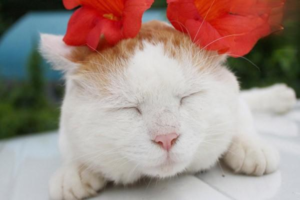
Cats naturally drink little, but low intake risks urinary and kidney disease. Never force-water — it can cause aspiration and stress. Increase intake via fresh/flowing water, wet food, multiple bowls, and, as a last resort, a syringe without the needle.

What to Do When a Hamster Won’t Eat
Hamsters are food-sensitive and hoard in their cheeks, so sudden refusal to eat signals a problem. Here is why a hamster stops eating.

How to Help a Thin Cat Gain Weight
A thin cat may be underweight due to genetics, poor diet, parasites, digestive disease, or dental issues. Rule out illness with a vet first; then raise the diet's nutritional density, feed small frequent meals, and add gentle play to boost appetite and build a healthy body.

AustralianTerrier
The Australian Terrier, also called the Aussie Terrier, originates in Australia and was the first Australian breed accepted and shown at home and the first formally recognized by other countries. With a smart, flexible mind and a sturdy body, it is an excellent choice as a companion and toy dog.

How to Get a Cat to Drink More Water
Once you have a pet cat, you have to look after its health even when your own life is rough. Cats that dislike drinking water are prone not only to internal heat but also to a much higher risk of urinary tract disease. So how do you get a cat to drink more water? Here are some practical tips.