Search Results
59 results for “stale food”
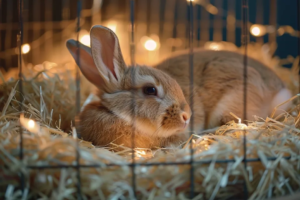
What Foods Can Rabbits Not Eat?
Raising rabbits is also a subject of study. Some people find it difficult to raise rabbits well, and the rabbits die easily, but this may also be because the rabbit ate some inedible food. A rabbit's staple food must be grass, and everything else must be fed with attention; even feeding fruits and vegetables has its own rules. Next, let's look at what foods rabbits cannot eat with us!

What Happens If a Dog Goes Three Days Without Food?
Whether three days without food is dangerous depends on the dog's age and condition. An adult dog with water usually survives three days, but the ordeal can trigger fatty-liver disease, gastroenteritis, or low blood sugar. A puppy left three days without food can be at real risk of death. Feed on a fixed schedule, monitor intake, and if you must be away, arrange for someone to care for the dog or board it.

Why Is Your Fish Refusing Food? Causes and Fixes
Fish refuse food for many reasons: poor water quality, overfeeding/indigestion, illness (ich, enteritis), natural fasting, food boredom, sudden environmental change, or loneliness after losing tankmates. Fixes range from water changes and fasting to treating disease and restoring the school.
What to Do If a Kitten Won’t Eat Cat Food?
A kitten refusing kibble may be due to low-quality food, stale kibble, or pickiness. Choose higher-quality food, keep it fresh, and let a picky eater skip a meal or two. If appetite loss is accompanied by other symptoms, see a vet promptly.
Choosing the Right Food and Water Bowls for Your Cat
Bowls come in ceramic, plastic, and stainless steel; a wooden stand with ceramic is the classic best choice. Ceramic resists heat and bacteria and is heavy enough not to slide; pick a wide rim (wider than the cat's whiskers) and a stand to raise it. Plastic is fine for travel but breeds bacteria and can leach into food, so avoid long-term use. Stainless is easy to clean but trace chromium/nickel can dissolve from salty food and may trigger allergies. Skip automatic feeders and fountains except for long trips—cats prefer fresh daily water and the bonding of hand-feeding.
Why Cats Become Picky Eaters (and What to Do)
A 'picky' cat is often responding to something fixable: stale food, a blocked nose from a cold, a mismatch in texture, or too many treats. Store kibble sealed and dry, warm food to release aroma, learn your cat's texture preference, and wean it off treats gradually. A cat eating only dry food needs extra water to avoid urinary trouble.

What to Do When Your Dog Won’t Eat in Summer
Summer heat saps a dog's appetite for many reasons, illness, stale food, weather, mood, or estrus, so cool it down before worrying. Bathing, AC, and shade help, but avoid overcooling and never shave a healthy coat, which raises skin risks.
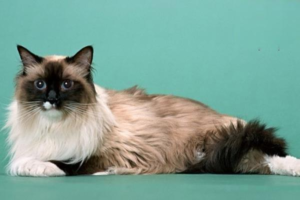
Why Your Cat Has No Appetite but Still Acts Normal
A cat that skips meals but stays bright is rarely sick — the usual culprits are a seasonal dip, treat-driven pickiness, heat, mood, or stale food, with oral disease the one to rule out by checking the gums. As long as the energy holds, fix the routine (set mealtimes, fewer snacks) and watch; a vet visit is only urgent if the spark fades too.

How Much Should a Cat Eat Each Day?
Feeding style and portion size both matter. Free feeding suits a cat's natural graze-and-return instinct and saves effort, but risks overeating and stale food; timed, measured meals (ideally 3–4 times a day via an automatic feeder) make it easy to control intake and spot changes. To calculate portions, use the weight method for raw/fresh food and the calorie method for kibble: a 5 kg adult cat needing 70 kcal/kg takes about 87.5 g of a 400 kcal/100 g food. Kittens need the most energy per kg, adults less, and neutered cats least — but always adjust to your own cat's condition.
How to Get Your Cat to Drink More Water
Cats evolved to get moisture from prey, so many barely feel thirsty — yet low intake raises the risk of urinary and kidney disease. They prefer fresh, clean, moving water in wide, full bowls, and a fountain or a splash of broth can be the nudge a reluctant drinker needs.