Somali
2 Photo Gallery
View All 5 Photos
1 Somali Breed Overview
Somali (details)
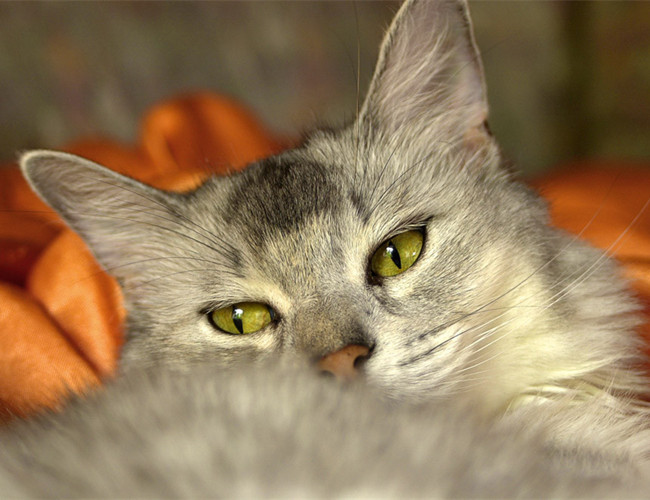
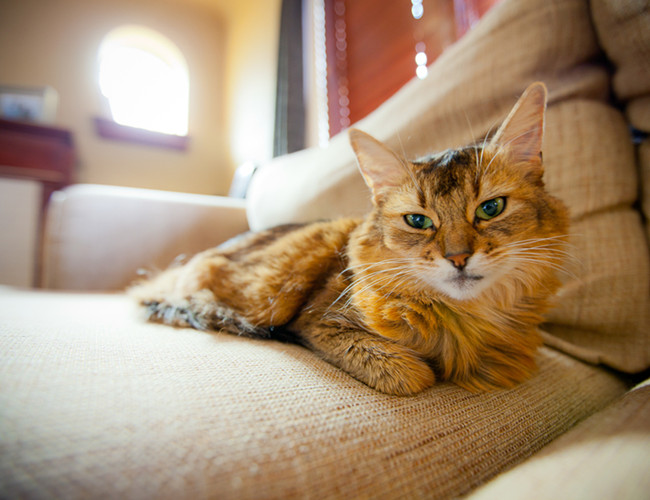
The Somali looks basically like the Abyssinian—slender and graceful, slightly rounded; the face is a slightly round wedge; a pair of large ears form a broad V; black-rimmed almond eyes leave a deep impression. Born short-coated, the fur quickly softens, then smooths and gains sheen with age.
Somali breed origin
The Somali, origin: presumably the United States and Canada. It is said the Somali arose in 1967 as a long-haired mutation of the purebred Abyssinian, established through planned breeding. In Europe and America four varieties formed; recognized by the British Cat Association in 1983, and won champion status under the UK’s Governing Council of the Cat Fancy in 1991.
Somali breed introduction
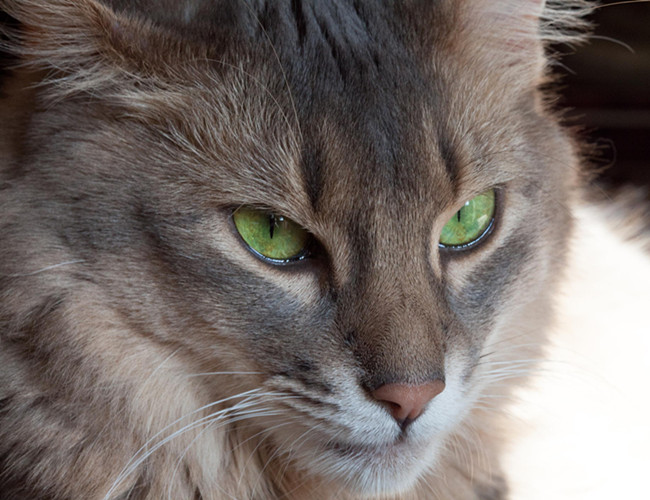
The Somali’s deep-red coat is the representative color shared with the Abyssinian and most common. All Somalis have amber, light-brown, or green eyes. Very intelligent and gentle, understanding, they can move like monkeys and grab things monkey-style. Most Somalis learn to turn on faucets because they love water. Tense muscles and a serious face give a wild impression; highly athletic and agile, they love free activity and have a clear, loud voice—unsuited to apartments.
2 Somali Physical Characteristics
Somali (details)
The Somali, Somali, medium-sized with a regal air. Like the Abyssinian but semi-long-coated. Weight 3.5-5.5 kg. Lively but not over-eager. Hardy, gentle, mild-tempered, very playful, emotionally rich, needing much attention, but less possessive than the Abyssinian—a fine family companion.
Somali appearance
The Somali looks basically like the Abyssinian—slender and graceful, slightly rounded; medium-to-large, well-proportioned, firm-muscled, elegant. Face a slightly round wedge; large V ears; black-rimmed almond eyes. Born short-coated, quickly softening; the coat smooths and shines with age. Medium-length, soft, fine, dense; shorter at shoulders, long on hind legs, with very full tail fur. Colors: chestnut-silver, brown-red, deep red, blue, silver-cream, lilac, blue-silver, silver-white, chocolate-silver—eleven or twelve. Deep red is the representative, most common. All have amber, light-brown, or green eyes. Slightly round wedge; smooth curves from eyes/cheeks; even line between ears and neck. All have light-rimmed dark eye rings and clear forehead/cheek markings. Head a moderate wedge with smooth lines and a slight stop.
3 Somali Personality Traits
Somali (details)
Hearing ‘Somali’ you may think of Somali pirates, but there’s no relation; besides energy, the Somali is great at cute acts—those ice-green eyes, cool yet silly. Don’t mistake it for unpopular like the pirates; it’s a gentle kitten.
Somali personality
Very intelligent and gentle, understanding. Moves like a monkey, grabs like one. Most learn to turn on faucets, loving water. Tense muscles and a serious face give a wild impression; highly athletic and agile, loving free activity, with a clear loud voice—unsuited to apartments. The Somali blends wildness and beauty, very lively and outgoing, loving exercise. You’d think such a cat is healthy, but early on many genetic diseases appeared, mainly dental, plus tendency to fatty liver and other internal diseases; now mostly eliminated, but owners should still watch carefully.
4 Somali Care Tips
Somali (details)
The Somali’s beautiful semi-long coat has a trait: each hair has about 20 gradient shades. Such a fine ‘long coat’ is not easy to care for. It sheds twice yearly and mats if not brushed, so daily care cannot be lazy—not for owners who fear trouble.
Somali care
Even short-haired cats need brushing. Brush the Somali on a fixed, regular schedule—at least weekly, same time. After brushing, aim for glossy smoothness. Steps: prepare tools—chamois, metal comb, bristle brush, rubber brush; calm the cat before brushing, never force if resistant. Method: use the metal comb to untangle, watching for flea dirt (black dots—remove carefully). Brush the whole coat, including belly, along growth direction with the bristle brush, gently. After, use the rubber brush to remove loose hairs for a smooth, clean coat. Every few weeks add a few drops of coat protector to remove oil and restore color/sheen. Wipe with chamois to further clean. Frequent petting and a healthy diet also beautify the coat.
5 Somali Feeding Requirements
Somali (details)
Though a bit cold-averse, the Somali dislikes apartment life. It loves hunting; yards are welcome. Easy care—weekly brushing, daily during sheds. Newborn Somalis are nearly bicolor: dark back, light underside. Coat marking develops slowly; length and final look stabilize at age 2.
Somali feeding
Some foods are unsafe: Animal liver—some cats love it and refuse other food; liver is rich in vitamin A, but excess causes muscle stiffness, neck pain, bone/joint deformity, liver disease. High-fat food—diets high in fatty fish or stale fat cause vitamin E deficiency, leading to painful fat inflammation. Raw fish—some raw fish contain thiaminase that destroys vitamin B1; deficiency causes nervous disease, sometimes fatal; heating destroys the enzyme, so always cook fish. Meat—cats need meat, but meat-only causes mineral/vitamin imbalance and serious bone metabolism disorders. Dog food—different nutrients; cannot meet a cat’s needs; dogs need less than cats. Cod liver oil—use caution; excess causes vitamin A and D overdose and bone disease.