Search Results
59 results for “stale food”

Common Mistakes in Feeding a Cat
New cat owners fall into the same traps: treats as a main meal, raw fish with parasites and bones, abrupt food switches, too much liver, and mixing fresh food with stale leftovers. Each one strains a cat's fragile gut—or worse—so learn the habits before they cost your cat its health.

Dog Vomiting Yellow Fluid and Lethargic: Causes and What to Do
A dog that vomits yellow fluid and seems lethargic is very likely suffering from gastroenteritis, but other causes are possible, so a vet visit is needed to diagnose the real reason. Here are the causes and symptoms of a dog vomiting yellow fluid and acting lethargic.

Irish Wolfhound
The Irish Wolfhound is a true giant and the tallest dog breed in the world, originating in Ireland around 100 BC. Once used by the Celts to hunt wolves, today its gentle, loyal nature makes it an excellent companion and watchdog.

Basset Hound
The Basset Hound, also known as the French Short-legged Hound, originates from France. An ancient and noble scent hound, it was developed in Britain from French bloodlines and was traditionally used to track rabbits, deer, and other game by scent.

What to Watch for When Raising Dogs in Spring
Spring's high humidity and active parasites raise the risk of skin disease, colds, and stomach upset in dogs. Keep the coat dry, warm the dog after baths, add vitamins during the shedding season, and deworm monthly (pups) or every 2-3 months (adults).
Common Illnesses of Red-Eared Sliders
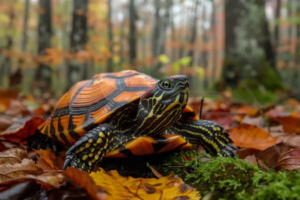
Red-eared sliders face several common illnesses: white-eye disease (a white film from poor water), gastroenteritis (odd red-green stools), pneumonia (wheezing, head held high), skin rot, calcium deficiency (soft shell), shell rot, and colds. Most trace to water quality and temperature swings, and many respond to antibiotic soaks or ointments plus warmth and sunlight.

Why Cats Suddenly Lose Their Appetite
A sudden loss of appetite can come from mild causes, weather, heat, stress, or fussy eating, or from illness such as mouth pain, digestive trouble, parasites, or systemic disease. Find the cause first: treat oral pain with pet anti-inflammatories and oral spray, settle the gut with probiotics, and deworm if parasites are to blame.
Why Is My Chinchilla Peeing Outside the Litter Box?
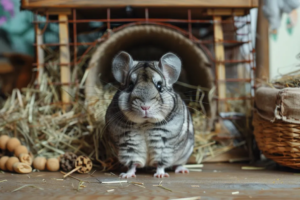
Chinchillas may urinate in the wrong places for several reasons—bad habits, low mood, estrus, territorial marking, or an underlying urinary infection. Each cause needs a different response. The key first step is to clean any accident thoroughly so the scent doesn't train your pet to reuse the spot. Feeding on a fixed schedule keeps a hungry or unhappy chinchilla calm, while separating cages and considering neutering curbs marking during heat. If urination becomes frequent or the urine looks dark, a vet check rules out infection.
Summer Hazards for Cats
Summer is a rough season for cats. With poor sweating, they overheat fast - five minutes on hot asphalt, in a sealed space or on a sunny balcony can cause heatstroke: high temperature, fast pulse, panting, then dizziness, vomiting and coma. Move them to shade and cool with water or a fan, and rush to the vet if it does not ease. Warm weather also brings acute gastritis from spoiled food (limit water and feed easily digested fluids) and skin disease from fleas, mites and fungi - treat the cause and keep up prevention with cleaning and deworming.
Tips to Prevent Wet Tail in Hamsters
Wet tail is a deadly hamster diarrhea — gray-white, stinking stool, lethargy, often fatal within three days, usually from contaminated food or water and spread between cagemates. Prevent it with daily clean water (a little glucose helps), frequent food changes, dry absorbent bedding, and a well-ventilated cage; a pediatric probiotic can ease mild cases. Young hamsters need the most protection.