Search Results
830 results for “spirit”
Ate a whole nutrient paste tube and its packaging, already induced vomiting; brought home to observe; after 7 hours only urinated, ate normally, drools a lot, but spirit is not good
After a cat swallows a whole nutrient paste package, go to the vet to induce vomiting and check whether the object is fully out. If remnants remain, endoscopy may be needed to remove them.
Senior unneutered dog, good spirits and appetite, but frequent urination about every half hour, large volume, often on the bed; ultrasound shows no reproductive inflammation, blood tests normal except mild heart failure
Increased urination in senior dogs is common; aging affects urinary and gut function, needing more water to excrete waste, and temperature changes alter intake. If drinking and urinating rise with weight loss, suspect diabetes and check glucose and urine sugar with low-sugar diet. Painful urination or genital licking suggests cystitis or urethritis; congenital or metabolic diseases like diabetes, kidney disease or Cushing's also cause it.
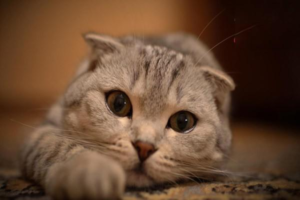
What to Do When a Kitten Sneezes with a Clear Runny Nose
Clear, watery nasal discharge in a kitten usually means a mild common cold rather than rhinotracheitis — observe first if there's no fever or eye redness. Keep the environment clean and warm, add nutrition, and never give human cold medicine, which can harm the kidneys or liver.
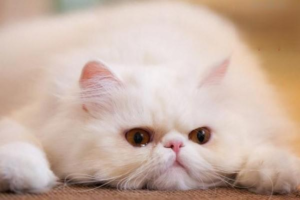
Why Are My Cat’s Gums Red at the Edge?
Red gums at the margin usually mean gingivitis, and left alone it can deepen into stomatitis—bad breath, drooling, mouth ulcers, and pain that stops a cat from eating. Catch it early with diet changes and oral care; severe cases may need a full extraction.

Dog Breeds That Don’t Shed and Hardly Smell
Many people skip dog ownership because of shedding and strong body odor, but some breeds stay clean and nearly smell-free. The Poodle, Bichon Frise, Cavalier King Charles Spaniel, Yorkshire Terrier, and Corgi are low-shedding, adaptable companions that work especially well for allergy sufferers and city households.

Wolf-Dog Breeds and Their Appearance
'Wolf dog' isn't a single breed but a loose name for large, wolf-like dogs, often a cross of wild wolf and domestic dog. Common types include the Langqing, German Shepherd, and Black Back, each a strong, capable working dog.

Common Illnesses Dogs Face in Summer
Summer raises a dog's risk of heart trouble, colds, skin pests, gut disease, and heatstroke, with flat-faced and senior dogs most vulnerable. Keep exercise moderate, food fresh, parasites controlled, and never let a dog bake in the heat.

Why Your Cat Won’t Eat, Looks Lethargic, and Is Losing Weight
A cat that stops eating grows weak and thins fast, and prolonged refusal can be fatal, so find the cause. Look to gut disease, viral infection like panleukopenia or rhinotracheitis, parasites or hairballs, or unspent heat, and see a vet when unsure.

Helping Your Schnauzer Through the Stress Period
It is normal for a puppy to show stress after arriving home, but a few habits make the adjustment smooth: bond early through the first cuddles and daily feedings, keep the old food (soaked soft), and give it a quiet, warm, crate-like place to sleep. If mild signs like poor appetite, low spirits, or slight vomiting and diarrhea appear, stay calm, rule out infection, and let rest and a sensible diet do the work.

Cat Cold: Symptoms, Care, and Prevention
A cat's normal temperature runs 38.0–39.6°C; a dry nose and warm ears hint at fever, and any sick cat needs easy food plus water (a pinch of salt per 100 ml, syringed if it won't drink). Keep the environment clean, warm in winter, and well-ventilated in summer, and take the cat to a vet promptly if symptoms worsen or it stops eating, drinking, or breathing easily.