Search Results
830 results for “spirit”

Why Won’t Your Dog Eat?
Dogs love to eat — so when one loses interest in food, something is usually off. The cause can be weather, spoiled food, emotions, parasites, or illness, and the fix follows from finding which it is.

Treating Canine Distemper in a Chow Chow
Canine distemper is one of the leading fatal viral diseases in dogs, and the Chow Chow is no exception. Caught and treated early, many dogs recover; by the late stage survival drops below 5%, so spotting the signs quickly is what saves lives.
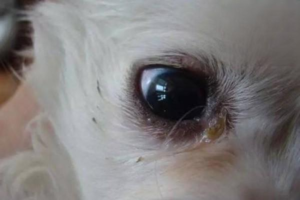
Dog With Eye Discharge and Low Energy: What to Check
Eye gunk with tiredness can be simple 'heat,' eye inflammation, parasites, or fear — or, if yellow nasal discharge and fever appear, distemper. Rule out the serious causes with a vet.

Dog Fever: Causes, Signs, and What to Do
Fever in dogs can come from a cold, internal inflammation, or infectious disease, and shows as a rise in temperature with lethargy and dry nose. Treat the underlying cause under veterinary guidance — never give human medicine.

Why Does a Husky Howl Like a Wolf?
Huskies howl because they carry wolf ancestry, but the behavior also signals hunger, a bid for attention, defiance, or a territorial alert. Reading the situation around the howl helps you respond to what your dog actually needs.

How Long After Distemper Is a Dog Safe?
Distemper incubates 3–5 days and, treated well, a dog can recover within about a week — after which another week is considered the safe window. Late-stage signs include collapse and seizures. Vaccination and a clean, dry kennel are the best prevention.

Are a Dog’s Red Eyes a Sign of Rabies?
Red eyes are rarely rabies; far more often they mean conjunctivitis, irritation, or injury. True rabies shows as fear of light, aggression, and paralysis, so vaccination, not panic, is the answer.
My dog’s body suddenly feels hot, like a fever — what are the usual symptoms of fever in dogs?
Fever signs include a temperature up to 39.5°C, red conjunctiva, lethargy, appetite loss, weakness, a dry nose, and rapid breathing. Early on, only the temperature rises; clear symptoms appear later. Fever is judged mainly by temperature — once confirmed, a vet-recommended canine fever reducer is given, or the dog is taken to a clinic, but treatment should never be skipped.

What to Do When Your Cat Catches a Seasonal Cold
Cats catch colds easily at seasonal changes — sneezing, runny nose, cough, and fever are the giveaways. Keep the cat warm, use a vet-formulated remedy (with a cough add-on if needed), and only reach for fever medicine above 39.5°C (103°F).

What to Do When Your Pet Catches a Cold During Seasonal Change
Seasonal shifts from autumn to winter bring big temperature swings that make pets prone to colds. Watch for lethargy, sneezing, and withdrawal, keep your dog warm and fed with warm (not cold) food, and see a vet if it worsens.
- « Previous
- 1
- …
- 81
- 82
- 83