Search Results
132 results for “silent”
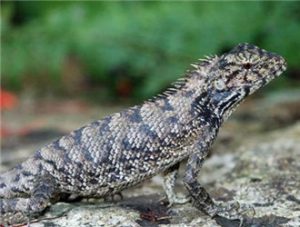
Oriental Garden Lizard (Changeable Lizard)
The 'horse-mane' agamid of southern China - a small, hardy, common lizard that changes colour and drops its tail when grabbed.

White-lipped Mud Turtle
A strikingly pretty mud-turtle relative - the 'mango-head' morph can flush yellow onto limbs and shell. Friendly and mid-priced, but it cannot brumate and must be kept heated year-round.

Canine and Feline Splenic Tumors
Splenic tumors in dogs and cats may be primary or spread from other sites, and often stay silent until the spleen is already enlarged, causing bloating, pain, or anemia. Hemangiosarcoma can rupture and bleed dangerously, making prompt care essential.

Myxoedema (Hypothyroid Dermatosis) in Dogs and Cats
Myxoedema is a hypothyroid disorder in which mucinous material accumulates in the skin and tissues. It causes obesity, marked hair loss, lethargy and cold intolerance, and is treated mainly with thyroid hormone replacement plus skin support.

Lymphangitis and Lymphadenitis in Dogs and Cats: Symptoms, Treatment, and Prevention
Lymphangitis and lymphadenitis are inflammations of the lymph vessels and nodes, usually from infection, immune disorders, or tumors. Signs vary by location but center on swelling, pain, and systemic inflammation, and treatment targets the underlying disease.

Feline Hypertrophic Cardiomyopathy: Symptoms, Treatment, and Prevention
Feline hypertrophic cardiomyopathy (HCM) is a frequently inherited heart-muscle disease in which the ventricular walls thicken and filling is impaired. Many cats show no early signs, then suddenly develop breathing distress, weakness, or sudden death from stress or arterial obstruction.

Aortic Stenosis in Dogs and Cats
Aortic stenosis is a congenital narrowing of the heart's main outflow valve, most common in dogs such as shepherds and boxers. Mild cases are silent; moderate ones bring cough, exercise breathlessness, and sudden collapse. Treatment limits activity and prevents secondary infection.

Bladder Paralysis (Atony) in Dogs and Cats
Bladder paralysis is loss of normal bladder contraction, usually from a urethral blockage, bladder spasm, or spinal or brain injury, so urine pools and cannot be expelled. Signs range from frequent dribbling to silent, involuntary leakage. Veterinary care and assisted emptying prevent a dangerously overfull bladder.

Canine Leishmaniasis (Kala-azar): Symptoms, Treatment, and Prevention
Canine leishmaniasis is a zoonotic protozoal disease caused by Leishmania donovani and transmitted by sandflies; dogs are an important reservoir host. It causes skin lesions, wasting, and systemic illness, and is treated with antiprotozoal drugs.

Canine and Feline Toxoplasmosis: Symptoms, Treatment, and Prevention
Toxoplasmosis is caused by Toxoplasma gondii, with cats as the definitive host; dogs and cats are often silently infected but can develop respiratory and nervous signs. It is treated with sulfonamide-based anticoccidial therapy.