Search Results
132 results for “silent”

Feline HCM: The Silent Killer of Cats
Hypertrophic cardiomyopathy is the most common — and most hidden — heart disease in cats. It can strike any breed or age, often found only at a late stage. Learn what it is, why it happens, its signs, and daily care that helps.
My cat was motionless and crying, now motionless and silent, limp when picked up, eyes open and mouth open
Motionless limpness can come from poor nutrition, anemia, low blood sugar, dehydration, poisoning, or nerve/brain issues. See a vet at once; the worsening state is urgent and life-threatening without prompt care.
Dog ate fine in the morning (treats/kibble), at night won’t eat, gave stomach medicine then vomited yellow fluid/white foam, trembling, tongue out, panting; ~7-8 years old, ignores me, hides in corner. Worried it’s silently sick.
Vomiting yellow fluid, trembling, panting after stomach medicine may be drug side effects or airway blockage; at its age, heart disease is possible. One missed meal may just be not hungry—observe, don't rush meds. See a vet to find the cause.
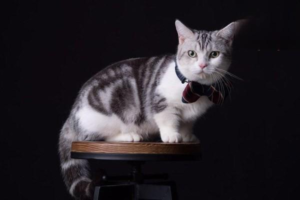
Kidney Disease: The Silent Threat to Cats and Dogs
Kidney disease is a silent killer of pets—early signs are subtle, and by the time you notice lethargy, weight loss, excessive thirst, frequent urination, reduced appetite, vomiting, or bad breath, treatment may be overdue. Studies suggest 1 in 3 cats and 1 in 10 dogs has kidney disease. Newer testing (SDMA) can flag problems when only 25% of function is lost, far earlier than traditional tests (75%). Management means vet-guided diet and medication, no table scraps or treats, encouraging water, and regular monitoring.
Why does my cat fart silently but smell terrible?
Normal if occasional - protein digestion produces odor. Frequent gas suggests fast or over-eating; give probiotics, feed small meals. Watch for soft stool.
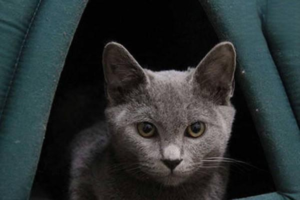
Diseases Cats Are Prone to in Winter
Winter weakens a cat's defenses, raising the risk of three problems: panleukopenia (distemper) — highly contagious, often fatal in kittens, prevented by vaccination; feline herpesvirus (cat flu) — carried silently, deadly when it flares in the cold; and chill-driven vomiting/diarrhea that can become gastroenteritis. Keep up vaccines and nutrition, stay warm, and limit winter baths to once every one to two months.

Why Doesn’t Your Parrot Talk?
A parrot that stays silent usually comes down to one of two things: its species simply lacks the ability to mimic human speech, or it hasn't been trained the right way. Only a few species — African greys, Amazons, cockatoos, macaws and derbyan parrots — can truly learn words, and even then early-morning, quiet, food-rewarded sessions work best.
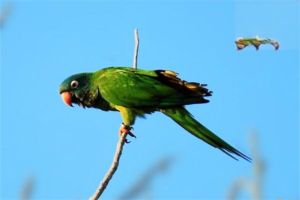
Which Parrot Species Can Talk?
Not every parrot can mimic speech — common favourites like budgerigars and lovebirds generally stay silent. The reliable talkers are the Derbyan parakeet, African grey, sulphur-crested cockatoo, macaws, long-tailed parakeet, and Amazon parrots, each with its own voice, temperament, and training needs.
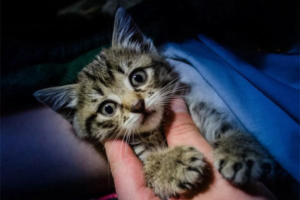
How Do Cats Apologize?
Cats do apologize — they just do it quietly. After misbehaving they may peek at you from hiding, roll over to show their belly, rub your legs, lower their head, meow loudly to cover embarrassment, or over-groom from anxiety. Reading these signals lets you forgive before scolding turns into stress.
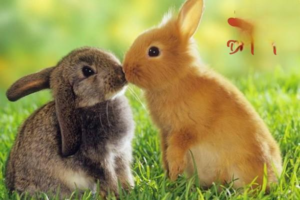
The Benefits of Keeping a Pet Rabbit
Pet rabbits — dwarves, lops, Dutch and more, under 2.5 kg, living 7–10 years — are gentle, nearly odorless, quiet, and smart enough to learn their name and litter habits, making calm nocturnal companions. Keep them in a half-meter cage in an open spot, and feed mainly hay plus quality pellets (no fresh food under 2 months; hay as the adult staple). Bonding takes effort, but the reward is years of quiet company.