Search Results
132 results for “silent”
What happens when a dog gets jealous?
A jealous dog may sulk silently in a corner and, if not comforted, later ignore its owner. Some dogs compete openly for attention — clingier while growling at the rival — while others bare their teeth at the owner or quietly watch, then secretly retaliate against the favored pet.

Feline Panleukopenia: How Fast Is It Fatal?
Panleukopenia is a deadly, highly contagious viral disease that attacks the gut and bone marrow. Unvaccinated kittens under a year often die within 2–4 days if untreated; unvaccinated adults usually within 5–7 days, some lasting around 10. Vaccinated cats rarely die. Early care lifts kitten survival above 50% and adults above 80%—and surviving one week usually means recovery. Prevention through vaccination beats treatment every time.
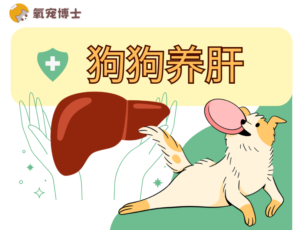
Foods That Support Your Dog’s Liver
The liver filters toxins, stores nutrients, and makes bile, yet it stays silent until heavily damaged—so daily support matters. Quality protein, cruciferous vegetables, and berries aid detoxification, while milk thistle, dandelion root, and omega-3s protect cells. Just as vital is what to skip: fatty foods, toxic items like chocolate, onion, and grapes, and human medicines that strain or poison the liver. Keep water flowing and weight healthy.

Top 5 Dog Breeds That Love to Bark—and What to Do
Some dogs are born loud. The Chihuahua, Beagle, Corgi, Pomeranian, and Yorkie top the list of natural talkers, driven by insecurity, hunting instinct, territoriality, or separation anxiety. None of this is hopeless—steady training, enough exercise, independence building, and careful desensitization to triggers can quiet even a chronic barker. Know the breed's voice before you bring one home.

Should Cats Eat One Food or Rotate?
Feeding one food keeps a cat's gut stable and makes health changes easy to spot, but it risks nutrient gaps, pickiness that fights later prescription diets, and silent formula changes. Rotating broadens nutrition and spreads product-risk, yet sudden or too-frequent switches upset the stomach. The balanced answer is to rotate on a schedule, with a slow 7–10 day transition and a few months on each food.

How Long Can a Dog with Kidney Failure Live? Three Ways to Add Years
There is no single answer to how long a dog with kidney failure survives—it depends on type, stage, and treatment. Acute failure from toxins or blockage can often be reversed if treated within about 48 hours. Chronic failure in older dogs can't be cured, but mid-stage dogs commonly live 1–3 years and some over 5 with good management. Diet, medication, and daily care are what buy the time.

Common Items in a Dog Health Checkup
A routine dog checkup covers coat and skin, weight, temperature, eyes, ears, teeth, feces, X-rays, and blood work. Many diseases show no early signs and become serious or even untreatable by the time they appear, and older dogs face organ decline and age-related illness, so yearly exams are worthwhile. A typical visit measures rectal temperature (normal 38-38.9°C), checks eyes and ears for cleanliness, assesses coat and weight, examines the mouth for gum or tooth disease, and may add fecal, X-ray, or blood tests as needed.

When Your Pet’s Heart Is Weak: CoQ10 as Part of the Plan
Heart problems are the quiet killers of pet health — by the time a dog pants after a short walk, coughs at night, breathes from the belly, or shows purple gums, heart failure may already be mid-stage and medication-only. CoQ10 is not a cure, but it is far from a placebo: it powers heart contraction, acts as a strong antioxidant, and declines with age. This guide covers the warning signs, the breeds at risk, and how CoQ10 fits into a real care plan.

How to Choose a Safe Cat CoQ10 Supplement
Feline heart disease is more common and more silent than many owners realize: hypertrophic cardiomyopathy affects roughly 11–16% of cats overall and a much higher share of high-risk breeds, often with no obvious signs until heart failure is already underway. CoQ10 supports heart-cell energy and is a popular preventive, but the market is uneven. This guide sets out three practical safety standards and the common pitfalls to avoid when choosing a product.

How to Choose a Reliable, Budget-Friendly Dog Dewormer
Owners often swing between over-priced imports and risky unlicensed bargains—both can harm the dog. Deworming is non-negotiable: internal worms steal nutrition and damage the gut, while heartworm stays silent until it is serious, and external pests spread disease to people too. This guide explains why deworming matters, the active ingredients by parasite type (including the Collie warning on ivermectin), and how to choose and use a product safely—spectrum, convenience, credentials, correct dosing, and the myths that lead owners astray.