Search Results
132 results for “silent”

Canine and Feline Coccidiosis: Symptoms, Treatment, and Prevention
Coccidiosis is caused by coccidia protozoa infecting the intestinal lining of puppies and kittens, causing watery diarrhea and, in heavy infection, bloody stool and wasting. It is treated with anticoccidial drugs and supportive care.

Canine and Feline Tapeworm Infection (Cestodiasis): Symptoms, Treatment, and Prevention
Tapeworm infection is caused by cestodes such as Dipylidium caninum and Taenia species residing in the small intestine of dogs and cats. Heavy infections cause poor condition and intestinal blockage, and are treated with antitapeworm drugs.

Canine Hookworm Infection (Ancylostomiasis): Symptoms, Treatment, and Prevention
Hookworm infection is a parasitic disease of dogs caused by Ancylostoma and Uncinaria species that attach to the intestinal wall and feed on blood, producing severe anemia. It is treatable with anthelmintics and, in serious cases, transfusion.

Salmonellosis in Dogs and Cats (Paratyphoid): Symptoms, Treatment, and Prevention
Salmonellosis (paratyphoid) is an acute septicemic disease caused by Salmonella. Early signs are gastroenteritis (diarrhea, vomiting) that can progress to nosebleeds and bloody stools. It is zoonotic and can cause abortion in pregnant dogs and cats.

Canine Rotavirus Infection: Symptoms and Treatment
Rotavirus is an intestinal infection that mainly affects young puppies, causing diarrhea while adult dogs often show no symptoms. The virus sheds in feces and spreads by the oral-fecal route, and can pass between species, allowing it to persist in the environment.

How to Train Your Dog to Sit and Stay
No exercise builds leadership more effectively than the sit-stay. If you must constantly coax or even bribe your dog to obey the simplest command, you lack leadership. But taught properly, the sit-stay command can single-handedly turn that situation around. This article explains a gentle, force-free method using a harness.
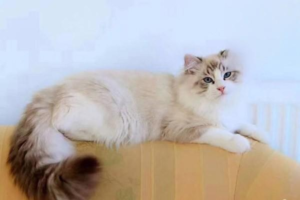
How Do Cats Communicate?
Cats are mysterious, and everything they do is a form of communication. They use non-verbal (visual) signals, sound, physical contact, body language, and scent. With each other they rely on visual and olfactory signals; with people they mostly vocalize.

Toys Cats Love
The best cat toys are simple and cheap: a scratch post, toy mice, a wand, balls, silver-vine chews, and even boxes. Rotate them and pair play with silver vine or catnip in moderation.

Do Cats Fart?
Cats do pass gas, usually silently and nearly odorless. Diet is the usual cause of smelly, frequent gas, but pairing it with appetite loss, vomiting, or diarrhea means a vet visit.

Why Your Dog Barks at Empty Space
A dog barking at an empty space is usually reading scents or sounds we cannot. Boredom, anxiety, play, demands, and territory also drive barking, and ignoring the noise while rewarding quiet retrains it.