Search Results
18 results for “reptile behavior”
What Are the Differences Between Tortoises and Sea Turtles?
Tortoises and sea turtles differ greatly in form, habitat, and habits, even though both belong to the order Testudines. Tortoises live on land, needing only occasional soaking and unable to stay in water long; sea turtles spend life at sea, coming ashore only to lay eggs and bask. A tortoise's shell is thick and domed, with short sturdy legs that bear its weight; a sea turtle's shell is thin and smooth, with long front flippers. Tortoises can pull their limbs inside when threatened; sea turtles cannot. Both are omnivorous, but tortoises eat roots, leaves, fruit, and vegetables, while sea turtles favor seaweed. Knowing these differences helps any keeper care for them correctly.

What to Do If Your Dog or Cat Has Tapeworms
Many species of tapeworms parasitize dogs and cats, and the adult worms seriously harm their health, while the larval stages often use livestock or humans as intermediate hosts, threatening both animals and people. Common species include Dipylidium caninum, Taenia spp., Echinococcus granulosus, Mesocestoides, Spirometra mansoni, and Diphyllobothrium. Infection causes intestinal inflammation, malnutrition, and in severe cases intestinal blockage, with signs like vomiting, diarrhea, weight loss, and odd behavior. Diagnosis relies on clinical signs plus fecal egg exams. Prevention means regular deworming, not feeding raw offal, and controlling fleas. Treatment uses praziquantel (5 mg/kg dogs, 2 mg/kg cats), arecoline hydrobromide, bunamidine, or fenbendazole under veterinary guidance. Because some tapeworms (like Echinococcus) also endanger human health, prompt and correct control matters.

Sulawesi Forest Turtle
The Sulawesi forest turtle is the sole member of its genus, a gentle, semi-aquatic turtle found only in limited areas of northern Sulawesi, Indonesia. Modest in size and undemanding in diet, it remains rare and difficult to obtain in the pet trade.

Western Pond Turtle
The western pond turtle, also called the California pond turtle, is a broad-headed, relatively secretive freshwater turtle native to the U.S. West Coast. An accomplished swimmer that loves basking, it is a protected species usually available only as captive-bred stock.
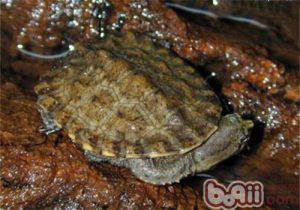
South American Snake-necked Turtle
The South American Snake-necked Turtle (Hydromedusa tectifera), also called the Argentine snake-necked turtle, is a popular but challenging species with a long smooth neck and rock-like shell. It is prone to shell rot and demands cool, slightly acidic water and careful husbandry.
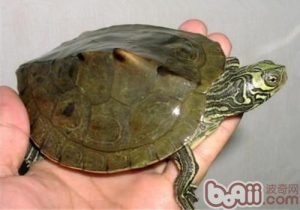
Barbour’s Map Turtle
Barbour's Map Turtle (Graptemys barbouri) is a strikingly marked map turtle from the river systems of the southeastern United States, resembling a painted turtle in form. Though widespread in the wild, it is uncommon in captivity, with the Mississippi map turtle being the most frequently kept of the group.

Varanus giganteus
The Perentie (Varanus giganteus) is Australia's largest lizard, inhabiting arid grasslands where it uses its powerful hind legs and tail to sprint over short distances and scan its surroundings. A voracious and alert predator, it makes a demanding but rewarding challenge for experienced keepers.

Geometric tortoise
The Geometric Tortoise (Psammobates geometricus) is a rare, strikingly patterned South African tortoise protected as endangered. Extremely sensitive to humidity and a challenge to keep alive in captivity, it is best appreciated in the wild or by experts.
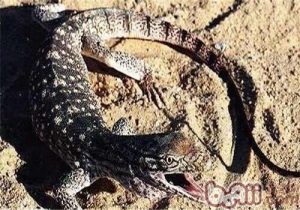
Desert Monitor
The Desert Monitor (Varanus griseus) is a large, fierce monitor of the Sahara and Asian deserts, reaching up to 140 cm and famed for its endurance and venom-resistant diet of snakes and scorpions. Difficult and dangerous to keep, it is not recommended for beginners.

African Keeled Mud Turtle
The African Keeled Mud Turtle (Pelusios carinatus) is a side-necked turtle from Africa, dark gray to black with a keeled shell and a yellow plastron. A gentle, hardy semi-aquatic species that adapts well to captivity and makes a good, if uncommon, community turtle.