Search Results
147 results for “rabbit winter”
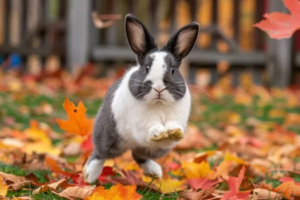
What Does a Doe in Heat Look Like?
A doe's heat is mostly induced by stimulus. Breed, age, health, climate, and environment all shape it — summer heat cuts appetite and heat rate, winter cold and scarce greens do too. In heat she turns excited and active: stomps, paws the floor, eats less or refuses food, mounts other does, and seeks the buck; her vulva goes pale at rest, pink early, deep red at peak with swelling, then purple-red. The cycle is 8–15 days, each heat 3–5 days; place her with the buck at the start. Neuter if not breeding.
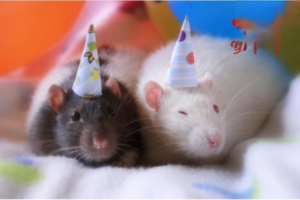
Hamster Coat Problems
Coat issues include color change (winter whitening in Campbell's/Dwarf types, fading silver rings), hair loss (seasonal, aging, or mites/fleas), and hairball risk in long-haired Syrians from grooming. Most need no grooming, but find the cause if problems appear.

Breeding Buck Feeding Techniques
Though few in number, breeding bucks decide the herd's performance and quality, since their main job is mating, so they are held to a higher standard. Beyond the buck's own condition, keeping his fertility high needs better management. Here we introduce some buck-feeding techniques.

Common Causes, Symptoms and Treatment of Pet Colds
Pets catch colds easily — usually from chills (season changes, baths, drafts, rain, cold floors) or low resistance. A plain cold can worsen into something serious, so treat it early. Never give human cold medicine (acetaminophen is toxic to dogs and cats); use pet-specific drugs. Learn the warning signs that separate a cold from pneumonia, rhinitis, feline herpesvirus (cat flu) or distemper.
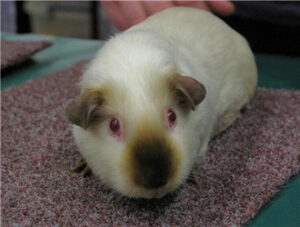
Himalayan Guinea Pig
The Himalayan Guinea Pig is a panda-marked variety of guinea pig—white body with dark nose, ears, and feet—known for its gentle, clingy, yet timid nature. An easy, inexpensive pet that loves to eat and breed, it thrives on hay, vegetables, and a little concentrate.
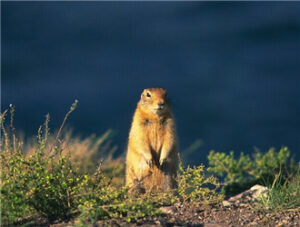
Marmot
The marmot is an expert burrower and hibernator with a coat the color of soil and a clever, endearing look. A vegetarian rodent kept as a pet, it needs a sturdy cage, fresh food and water daily, and vitamin C to avoid scurvy.

Britannia Petite
The Britannia Petite is one of the smallest domestic rabbit breeds, preserved through selective breeding and prized for its petite, alert, upright posture. Originating in England and Poland, it is an active, lively companion rabbit that needs careful feeding and a clean, well-lit environment.

Mountain Hare
The Mountain Hare (Snow Rabbit) is a hare of cold regions whose coat color differs between winter and summer. It is the only completely color-changing hare still found in China, with greater numbers in Heilongjiang. Timid and easily startled, it is difficult to keep in captivity.

Yarkand Hare
The Yarkand Hare is a wild hare living in the Tarim Basin of China. Small in size but with huge ears, years of neglect and heavy hunting have made it an endangered protected animal.

Arctic Hare
The Arctic Hare is a wild hare living in the far north that adapts its coat color to the environment—a thick white coat in winter and a grayish-yellow thin coat in summer. Larger than a household rabbit, it lives in groups and has never been successfully kept as a pet.