Britannia Petite
2 Photo Gallery
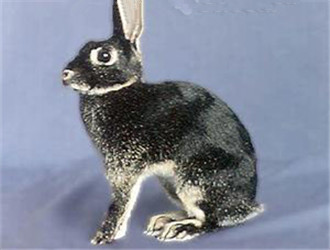

1 Britannia Petite Breed Overview
The Britannia Petite is a breed preserved through successful human breeding, so its appearance is not round and chubby. This is because wild rabbits are better suited to running in the wild, so the Britannia Petite can also be regarded as one of the successfully bred wild rabbit breeds.
Chinese Name: Britannia Petite
Aliases: British Mini Rabbit, English Rabbit
English Name: Britannia Petite
Kingdom: Animalia
Phylum: Chordata
Class: Mammalia
Order: Lagomorpha
Family: Leporidae
Genus: Oryctolagus (Rabbit)
Species: Britannia Petite
Origin: Poland
Reproduction: Viviparous
Physical Features: Weight: less than 1.1 kg; relatively short ears, usually not longer than 6.35 cm; highly alert, very active. Although small, its appearance is not like other small rabbits with round heads and bodies.
Diet: Herbivorous
Certifying Association: American Rabbit Breeders Association (ARBA)
2 Britannia Petite Physical Characteristics
The Britannia Petite has a relatively slim build with compact muscles, broad upright ears behind the head, giving a very alert look. This small rabbit has a petite figure, with some weighing less than one kilogram.
The Britannia Petite is petite, originating in England and Poland. When they were brought to the United States and accepted by the American Rabbit Breeders Association, they got the recognized breed name ‘Britannia Petite.’ Now the Britannia Petite has been shown to have eyes of multiple colors. Initially, the ARBA only recognized white Britannia Petites with ruby eyes, but since then black, chestnut, sable, and black-tan (4 colors) have been accepted. Together with the initially recognized ruby-eyed Britannia Petite, there are now 5 ARBA-recognized color varieties.
The Britannia Petite was once larger than the current breed. The ideal weight of the Britannia Petite is about 1 kg. They are one of the smallest domestic rabbit breeds. The Britannia Petite has a bright, upright posture with good balance. Keeping a Britannia Petite requires patience and correct keeping methods, so they have the opportunity to show their beautiful upright posture. Because they are an active rabbit, they can show their charming side at shows without much urging.
3 Britannia Petite Care Tips
Britannia Petite (see details)
The Britannia Petite, also called the English Rabbit, is one of the small pet rabbit breeds. The English Rabbit has relatively short fur, so grooming does not occupy a primary place in daily care; relatively speaking, the English Rabbit has a weaker stomach, so there are many precautions in feeding.
The Britannia Petite’s food should not be too wet, or it will get diarrhea, which is very hard to cure. The Britannia Petite needs to drink water, and cannot be given raw water—it must be boiled water. If feeding pellets, you can give more water; if feeding vegetables and fruits, give less water. Also, the Britannia Petite is very clean; in the cage it will relieve itself in a fixed spot, usually in the corner opposite where the feed is placed, so you can lay newspaper under the cage, preferably white newspaper, because the Britannia Petite sometimes chews newspaper and the ink on it is bad for it. Lay a few more layers in the corner where it relieves itself.
Rabbit urine is very smelly and voluminous, so the newspaper must be changed often, about every two days, otherwise the whole room will soon be ‘fragrant’ and the Britannia Petite will not stand it. You can also make a fixed toilet outside the cage—prepare a Western-style V-bucket with several layers of newspaper, and clean the soiled newspaper immediately after the Britannia Petite urinates, otherwise it will not urinate in the same place. As for how to teach the Britannia Petite to relieve itself outside the cage, it is like teaching a puppy; in this respect the Britannia Petite is smarter than a dog and learns after one or two lessons.
4 Britannia Petite Living Environment
For the Britannia Petite, temperature and humidity control are the main factors in a suitable environment, followed by a clean environment and reasonable light. Light can affect the Britannia Petite’s growth and development and even its mating.
I. Temperature of the Britannia Petite
The Britannia Petite’s body temperature is around 38–39.5°C year-round; they are homeothermic animals and regulate the heat they produce according to external temperature changes, balancing the difference between body and outside. When the outside temperature is higher, the body heat is harder to dissipate; when the temperature is below body temperature, the Britannia Petite increases its own heat production, consuming a lot of energy.
II. Humidity of the Britannia Petite
The keeping humidity for the Britannia Petite is generally controlled at 60%–65%; too low or too high easily causes the Britannia Petite to get sick. Northern winters are dry, and with indoor heating, the increased temperature makes the moisture in the air evaporate faster. At this time, we need to use a humidifier to increase indoor humidity.
III. Clean Air
First, ensure there are no harmful gases. Under certain conditions, such as in a newly decorated room, poor ventilation produces large amounts of toxic gas, which is harmful to the Britannia Petite and also bad for human health. In addition, the Britannia Petite’s excrement volatilizes ammonia, carbon dioxide, and other harmful gases at a certain temperature, and the Britannia Petite is very sensitive to these gases, so they must be cleaned up promptly.
IV. Light for the Britannia Petite
Because ultraviolet light has a sterilizing effect, a certain amount of light is necessary. But continuous strong light exposure greatly increases the chance of the Britannia Petite getting skin cancer. Adult Britannia Petites should not sunbathe more than 14 hours a day, and avoid direct sun in summer. Newborn kits have delicate skin and should also avoid direct sun.
5 Britannia Petite Feeding Guidelines
The most suitable food for the Britannia Petite is hay, rabbit pellets, and water. Of course, within a certain range, you can provide some vegetables, but you must choose the types of vegetables carefully, as not all vegetables are suitable.
Vegetables contain about 85% water and have low crude fiber and good palatability; rabbits are greedy and eat too much. Feeding vegetable leaves to rabbits under 90 days old can cause diarrhea in just a few days. If a rabbit has diarrhea after eating vegetables, stop feeding vegetables, increase green hay and dry tree leaves, and add 2% charcoal powder or 2% medicinal charcoal to the mixed or compound feed for treatment.
Mustard greens, rapeseed, radishes, and other cruciferous vegetables contain sinigrin. Under the action of myrosinase, it can generate toxins such as nitriles, damaging the rabbit’s liver and kidneys. So cruciferous vegetables should be fed as little as possible. Feeding rabbits vegetables damaged by aphids or cabbage worms can cause conjunctivitis, stomatitis, gastroenteritis, rhinitis, vaginitis, and abdominal pain and diarrhea. While correctly feeding vegetables, you should also feed some low-water feed (bran, etc.) and high-crude-fiber feed (dry tree leaves, etc.). The vegetables fed to rabbits should be fresh and free of dew.