Search Results
147 results for “rabbit winter”

Are Polish Rabbits Easy to Care For?
Polish rabbits are gentle, adaptable, and relatively low-maintenance. They need quality hay, fresh vegetables, a warm and dry enclosure with room to move, and regular cleaning to stay healthy.

How Many Kits Does a Rabbit Have Per Litter?
A rabbit can give birth to 3 to 12 kits per litter, with 6 to 8 being most common. But reproductive ability is shaped by many factors, including breed, age, health, and climate. Owners who plan to breed should learn the rabbit's reproductive traits and provide proper care, nutrition, and a suitable environment so the doe is in the best condition to raise a healthy litter.
Do Rabbits Need to Hibernate?
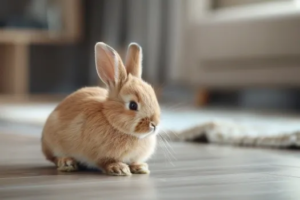
Rabbits do not hibernate. As warm-blooded animals, they regulate their own body temperature and stay active through winter. That said, they still feel the cold despite their thick fur, so owners must provide warmth and shelter when temperatures drop. Moving the hutch indoors, sealing drafts, lining the cage, and adding soft bedding all help prevent chilling. Adjusting the diet with extra food and higher-calorie items supports their increased winter energy needs. This article explains why rabbits skip hibernation and how to keep them safe in cold weather.

What to Do If Your Pet Rabbit Is Constipated
Constipation is common in pet rabbits and, when severe, leads to refusal to eat and listlessness, so it needs prompt attention. Causes include unbalanced feed with too little water, foreign material in the diet, lack of exercise, or secondary disease such as anal inflammation or gut atony. Signs are dropping appetite, weak gut sounds, small hard droppings, then no stool at all, sometimes with bloating. Treatment clears the gut with short fasting, water, abdominal massage, and, if needed, a sodium bicarbonate enema; prevention centers on greens, water, exercise, and a fixed feeding schedule.
How to Shear an Angora (Long-Haired) Rabbit
Angora rabbits are raised mainly for their wool, and learning to shear them correctly protects both fiber quality and the animal's health. A mature rabbit is typically sheared about four times a year, once per season, with the best grades harvested in March, June, September, and November. Shear close to the skin in a set order, back midline, sides, rump, neck, jowl, belly, legs, never a second pass over the same spot, and time the job for a breezy, clear day with warm bedding afterward.
What Factors Affect a Rabbit’s Wool Production?
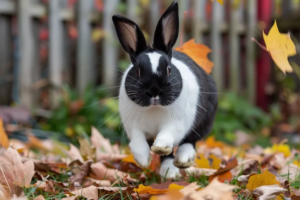
A rabbit's wool output depends on breed, sex, body weight, age, nutrition, and the season and temperature around it. Long-haired German-line rabbits usually produce the most fine wool, while females and neutered males tend to out-yield intact males, and rabbits between one and three years old are at their peak. Steady, balanced feeding with enough protein supports follicle growth, and cooler weather raises output. To boost production, choose strong breeding stock, use crossbred vigour, feed well, manage the environment, and harvest the wool on a sensible schedule.

What to Know When Grooming a Rabbit’s Coat
Rabbits, especially long-haired breeds, need regular coat trimming, particularly in hot weather. Use proper rabbit grooming tools rather than ordinary scissors to avoid cuts, and work in order from the rump, along the back to the neck, then the sides, belly, legs, and last the head and ears. Comb out tangles first, keep the coat not too short, and never cut the whiskers. Avoid trimming in late pregnancy or winter, and calm the rabbit with help to hold it still.

Dutch Rabbit
The Dutch Rabbit is a small, distinctly marked pet rabbit with a white inverted-V on the face and a sharp color split between front and back. Gentle, smart, and nearly odorless, it needs timothy hay, a chew stick, steady 25–32°C, and a wire-free, dry cage. Lifespan about 5–7 years.

LionHead Rabbit
The LionHead Rabbit is a small, gentle pet rabbit named for the ruff of long fur around its head that looks like a lion's mane. Originating in Belgium and bred in the Netherlands and US, it is sturdy and clean, needs daily coat care and a wire-free cage, and lives 5–7 years.

Why Can’t Dogs Digest Fur?
Cats and dogs both swallow fur, but cats vomit it up and dogs don't. Today we look at the fur dogs ingest.