Search Results
147 results for “rabbit winter”

Rabbit Viral Hemorrhagic Disease: Symptoms and Prevention
Rabbit viral hemorrhagic disease (RHD, or 'rabbit plague') is a highly contagious viral infection with up to 100% mortality and no specific cure. Control relies on the semi-annual RHD vaccine, strict hygiene, and disinfecting feed and water contaminated by sick rabbits.

Rabbit Vitamin A Deficiency
Vitamin A keeps rabbit mucous membranes intact and vision sharp; deficiency, worst in winter and early spring, brings slow growth, weak coat, nerve signs, eye damage (conjunctivitis, keratitis, even ulceration), and in pregnant does premature birth or dead malformed kits. It stems from low-carotene feed, poor gut or liver absorption, or vitamin loss in storage. Diagnose by history, lesions, and plasma vitamin A below 0.2 to 0.3 mg/ml.

Rabbit Stress: Causes, Signs, and How to Avoid It
Rabbits are timid and sharp-eared, so strong or repeated shocks can stress them severely, even fatally. Causes include changed water or feed, weather, noise, light, moves, and strangers; signs are raised pulse and breathing, restlessness or hiding, refusing food, and does crushing or rejecting kits. Avoid stress with steady routines, fixed light, temperature control, quiet, and gradual feed changes.

Preventing Rabbit Myxomatosis
Myxomatosis is a near-always-fatal viral disease of rabbits spread mainly by mosquitoes and rabbit fleas that carry the virus from sick animals. Signs include conjunctivitis, widespread head swelling and a 'lion-head' face, breathing trouble, and jelly-like tumors; mortality exceeds 95%. Keep it out through strict import bans and quarantine of breeding stock.

Rabbit Growth, Development and Molting Traits
Rabbits grow fast and convert feed efficiently early in life, especially as kits. A kit is born about 50 g, doubles by one week and reaches 40% of adult weight by eight weeks, with feed conversion best (2:1) at three weeks. They molt twice by age (around 30–100 and 130–190 days) and seasonally each spring and autumn, when extra nutrition helps.

Things to Know When Introducing Meat Rabbit Breeding Stock
Choosing healthy, well-bred stock from a reputable rabbitry is the foundation of meat rabbit production. Introduce stock in mild seasons, start with a modest number of 3–4 month juveniles, keep a sensible male-to-female ratio, and source from more than one place to avoid inbreeding. Give new arrivals quiet time and their familiar feed to reduce transport stress.

How to Raise Rabbits
Successful rabbit keeping rests on healthy breeding stock, a clean ventilated hutch, grouped by size and sex, a digestible diet (pellets, alfalfa, veggies, boiled water), daily cleaning, and preventive vaccines against rabbit hemorrhagic disease and coccidiosis.
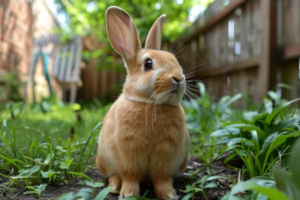
How to Feed a Panda Rabbit, and What to Watch For
The panda rabbit, also called the Dutch rabbit or Dodge rabbit, has white fur with built-in 'dark eye patches', earning the panda nickname and growing popular in China. But raising one is not as simple as it seems; diet needs special care. Here is how to feed a panda rabbit and what to note.
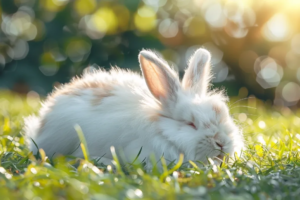
What Affects a Rabbit’s Lifespan?
A rabbit's life is shaped by its own traits, diet, and environment. Feed hay-based balanced food (not just vegetables or sweets), keep the cage clean, dry, and quiet between 15–25°C, house it indoors, avoid over-bathing and neglect, and don't breed females repeatedly — all of which shorten life.

How to Choose the Right Rabbit Cage
Pick a rabbit cage that is roomy (at least about 3 m² of floor for an adult, tall enough to stand on hind legs), with a solid plastic or wood base rather than a wire mesh floor that causes sore hocks. Wood is safe to chew but harbors bacteria; for metal cages check the paint is non-toxic with no sharp wires.