Search Results
107 results for “rabbit eating fur”

Why a Rabbit’s Foot Fur Turns Yellow and What to Do
Yellow fur on a rabbit's feet is usually urine staining, but it can also signal poor nutrition or a normal molt. Left uncleaned, urine corrodes the skin and causes sores — here's how to find the cause and fix it.
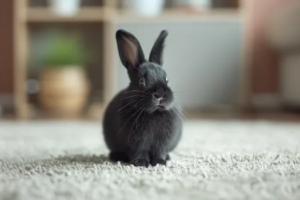
Can Rabbit Mange Infect People — and How to Treat It
Rabbit mange rarely spreads to people if your skin is healthy and you wash and disinfect after contact, but those with weak immunity can catch it — wear gloves. Treat by isolating, clipping and cleaning lesions, wiping with 2% iodine, an Elizabethan collar, weekly miticide (trichlorfon) to kill hatched larvae, environmental spraying, and good nutrition.
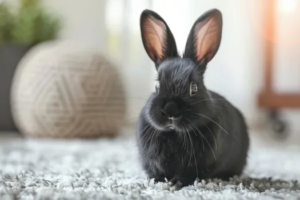
Rabbit Constipation: Causes and How to Prevent It
Rabbit constipation, common in young and old rabbits, comes from dry hardened gut contents due to poor feeding, too much concentrate, low water, or too little exercise, and can block the gut. Signs are poor appetite, hard small stools, then no stool with a painful belly and palpable hard masses. Prevent with balanced feed and water plus exercise; treat early with greens and, for severe cases, sodium sulfate or salt laxatives.
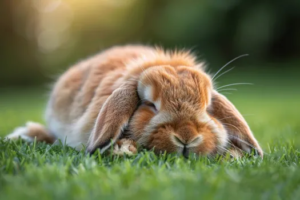
Preventing and Treating Yellow-Urine Disease in Baby Rabbits
Yellow-urine disease is acute enteritis in nursing kits under 7 days old, caused by Staphylococcus toxins from a mother's mastitis passed through her milk; signs include yellow watery stools, weakness, and a fishy smell. Prevent it with a clean dry nest, managed milk flow in the doe, and early mastitis treatment, and treat affected kits with gentamicin drops.
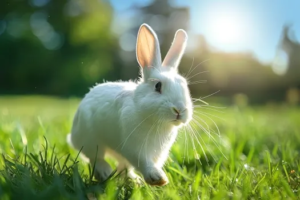
Rabbit Hairball Disease: Causes and Treatment
Hairball disease, common in long-haired rabbits, comes from swallowing too much fur and blocks the gut with constipation, bloating, and sometimes death. Causes range from cramped cages and poor diet to vitamin or mineral gaps and skin disease. Prevent it with full-ratio feed, isolation of fur-eaters, and regular grooming; treat with vegetable oil and enzyme tablets to pass the mass.

Preventing and Treating Rabbit Pasteurellosis
Pasteurella multocida lives quietly in the nasal and tonsillar tissue of many healthy rabbits and strikes only when stress or poor husbandry lowers resistance, spreading through secretions and contaminated feed or water. Control it with strict sanitation, regular vaccination, and prompt antibiotic or antiserum treatment.

Rabbit Growth, Development and Molting Traits
Rabbits grow fast and convert feed efficiently early in life, especially as kits. A kit is born about 50 g, doubles by one week and reaches 40% of adult weight by eight weeks, with feed conversion best (2:1) at three weeks. They molt twice by age (around 30–100 and 130–190 days) and seasonally each spring and autumn, when extra nutrition helps.
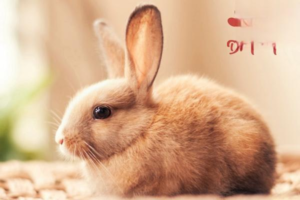
Causes and Treatment of Ulcerative Pododermatitis (Sore Hocks) in Rabbits
Ulcerative pododermatitis (sore hocks) is a pressure-induced skin ulcer on the soles and sides of a rabbit's feet, most often seen in adults kept on hard or wire cage floors. It causes pain, reluctance to move and, if infected, can lead to abscesses, cellulitis or even fatal septicemia. Good hutch design, soft bedding and prompt wound care are key to prevention and treatment.

Common Rabbit Diseases in Winter and How to Prevent Them
Cold, dry winters challenge small, fragile rabbits. To help your rabbit through the season safely, prepare ahead. Here are the diseases rabbits face in winter and how to prevent and treat them.
How to Feed a Panda Rabbit, and What to Watch For
The panda rabbit, also called the Dutch rabbit or Dodge rabbit, has white fur with built-in 'dark eye patches', earning the panda nickname and growing popular in China. But raising one is not as simple as it seems; diet needs special care. Here is how to feed a panda rabbit and what to note.