Search Results
107 results for “rabbit eating fur”
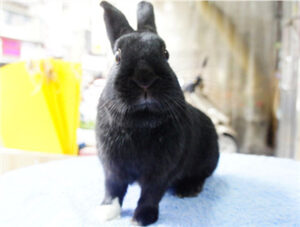
Havana Rabbit
The Havana Rabbit is a popular fur rabbit whose beautiful chocolate- or blue-colored coat makes it prized for pelts and increasingly kept as a pet. Originating in the Netherlands, it is lively and needs careful early-life care and coccidiosis prevention.
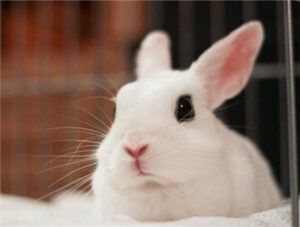
Blanc de Hotot Rabbit
The Blanc de Hotot Rabbit comes in large and dwarf forms, both pet breeds known for their pure white coat with black eye-rings and ears—like a panda. Gentle and cute, it needs regular grooming, nail trimming, and a dry, quiet home.
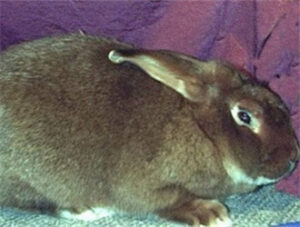
Satin Rabbit
The Satin Rabbit is a large meat rabbit with dense, satin-smooth fur, weighing around 5 kg. Though mainly a meat breed, its cute upright ears make it suitable as a pet too. Proper fattening before marketing maximizes its meat yield.
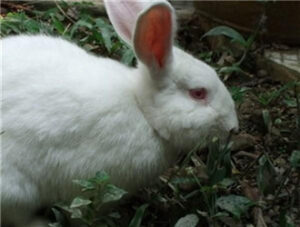
Florida White Rabbit
The Florida White Rabbit is a common, medium-sized all-white rabbit with red eyes from a lack of pigment, kept widely around the world as a popular and unremarkable breed. It is gentle, easy to care for, and an ideal choice for beginner rabbit owners.

Mini Lop Rabbit
The Mini Lop, also called the Dwarf Lop, is a certified pet rabbit breed with adorably small, drooping ears. Developed from French Lop and Chinchilla crossings, it is larger than the Holland Lop and American Fuzzy Lop, making a charming and gentle companion.
Dwarf Rabbit
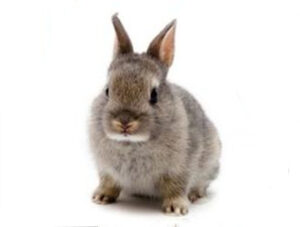
The Dwarf Rabbit is a classic pet rabbit breed with a very small, adorable body that never grows large—its defining trait. Purebreds are expensive and rare, so beware of sellers passing off ordinary baby rabbits as Dwarf Rabbits; a true Dwarf Rabbit stays tiny for life.

How to Prevent and Treat Sore Hocks in Rabbits
Rabbit sore hocks are caused by mite infection, wire-floor abrasions, or a dirty, damp environment — all letting Staphylococcus in. Prevent with clean, dry housing (0.3% peracetic acid spray), bamboo cage floors with ~1.2 cm gaps, and regular Staphylococcus vaccination. Treat mites with miticide plus anti-inflammation, and disinfect wounds with iodine and erythromycin ointment.

Why a Rabbit’s Eyes Get Inflamed and Pus-Filled, and How to Treat
Inflamed, pus-filled rabbit eyes usually come from a poor diet (too salty or dry 'heating' feed), eye irritants like dust or stray fur, or uncleared daily discharge that breeds bacteria. Treat by switching to carrots, apples, and greens, removing any foreign object and trimming surrounding fur, and wiping the eyes daily; see a vet if pus is severe.
What to Do When a Rabbit Sheds Excessively
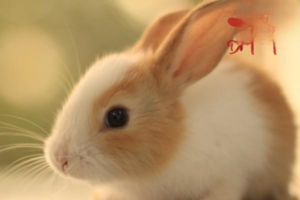
Heavy shedding has several causes. Seasonal molts (March–April, September–October) are normal — just groom daily. Diet lacking fiber or vitamins A/B causes shedding and fur-eating, fixed by balancing the feed. Fungal or parasitic infection brings dandruff and ring bald spots and needs a vet; bacterial dermatitis (Necrobacillus, Staphylococcus, Pseudomonas) needs the right antibiotic. Identify the cause before medicating.
How to Use Medication for Rabbit Health Care
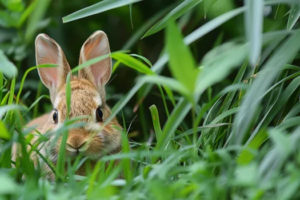
A sound rabbit health program relies on timely medication: anticoccidials in feed for kits, a structured vaccination schedule against VHD, pasteurellosis, Clostridia and Bordetella, routine ivermectin for mange, and antibiotics in hot humid seasons. Consistent prevention is far cheaper than treating outbreaks.