Search Results
107 results for “rabbit eating fur”
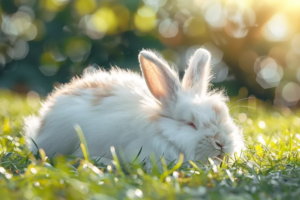
Preventing and Treating Mange Mites in Rabbits
Rabbit mange is an external parasitic disease caused by sarcoptic and psoroptic mites, threatening entire herds if not controlled early. It appears as skin mange (body) or ear mange, with itching, hair loss, and crusting. Prevention centers on dry, clean housing and quarantine, while treatment uses trichlorfon, ivermectin-type drugs, or medicated baths.
Mouth Ulcers in Rabbits
Rabbits with mouth ulcers develop small blisters, red swollen gums, drooling, and bad breath, and the pain makes eating difficult. Softening the diet, keeping the mouth clean, and offering chew toys to wear down overgrown teeth all help the ulcers heal. Because a rabbit's teeth grow continuously, unchecked overgrowth can lacerate the oral tissue and trigger the ulcers in the first place.

Causes of Rabbit Pica
Rabbit pica — the compulsive eating of non-food items such as fur, bedding, or newborn kits — usually arises from a mix of behavioral, environmental, nutritional, and health factors. Cage confinement, stress, poor husbandry, low fiber or mineral gaps, and skin parasites are the most common triggers. The fix starts with finding the root cause: a calm, clean enclosure, plenty of hay, added minerals, and prompt parasite treatment.
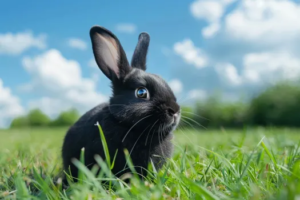
Symptoms of Stomatitis in Rabbits
Rabbit stomatitis shows as red, swollen gums, mouth blisters, and mucosal ulcers that make chewing painful, so the rabbit drools, stops eating, and can waste away or dehydrate. Soften the diet, keep the mouth clean, and—above all—prevent it by avoiding a monotonous diet that lacks B vitamins.

Why Rabbits Lose Fur
Rabbit fur loss usually points to poor nutrition, mange mites, ringworm, or bacterial skin disease — each with its own treatment, from mineral supplements to antiparasitics and antifungals. Clear away loose fur and check feed for trapped hair so the rabbit doesn't swallow it.

Four Diseases Common to Long-Haired and Meat Rabbits
Both long-haired and meat rabbits have weak immunity and fall ill easily. Four common conditions are diarrhea (from dewy or over-rich feed), bordetellosis (a contagious respiratory infection), bloat (preventable through feed management), and mange (a highly contagious skin parasite). Good hutch hygiene and prompt quarantine are the backbone of prevention.

Key Points for Rabbit Care in October
October brings big day-night temperature swings and the molting period, raising disease risk, so the focus is protecting pregnant does through each pregnancy stage and preparing the kindling box, storing dried forage, and preventing contagious disease with vaccination, stable warmth, and weekly disinfection.
Taboos to Avoid When Raising Rabbits on a Farm
Good rabbit husbandry means avoiding common mistakes: keep the hutch dry and quiet, control heat, vary the diet, feed measured amounts, transition feed gradually, and never serve spoiled feed or skip nighttime feeding and water. Following these basics lowers disease risk and keeps rabbits thriving.

How to Identify Pododermatitis (Sore Hocks) in Rabbits
Many owners raise rabbits in dog cages, but rabbits raised this way are prone to pododermatitis. Perhaps some owners know to put padding on the cage floor, but if the padding quality is poor or the method is wrong, it will still cause rabbits to get pododermatitis. Rabbit pododermatitis can be treated, but it is troublesome to treat. Below we detail the identification and treatment of rabbit pododermatitis, hoping to help you.

The Necessity of Feeding Hay to Rabbits
Eating hay is necessary for rabbits. Even if the rabbit food the owner usually feeds is good, hay must still be provided. Many people wonder why hay is so important to rabbits. Below we tell you about the necessity of rabbits eating hay. Why must pet rabbits eat hay?