Search Results
107 results for “rabbit eating fur”
Do Rabbits Need to Hibernate?
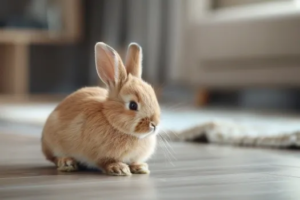
Rabbits do not hibernate. As warm-blooded animals, they regulate their own body temperature and stay active through winter. That said, they still feel the cold despite their thick fur, so owners must provide warmth and shelter when temperatures drop. Moving the hutch indoors, sealing drafts, lining the cage, and adding soft bedding all help prevent chilling. Adjusting the diet with extra food and higher-calorie items supports their increased winter energy needs. This article explains why rabbits skip hibernation and how to keep them safe in cold weather.

Preventing and Treating Frostbite in Rabbits
Rabbits can be frostbitten or freeze to death in severe cold. Frostbite usually hits thin-skinned, low-fur areas at the body's extremities, and hairless breeds, hungry or tired rabbits, and young kits are most vulnerable. It is graded in three levels, from red, swollen skin to blisters and, at its worst, dead tissue and death. Prevent it with a warm, dry, well-bedded hut and sturdy animals; treat mild cases with oils or iodine, and severe cases with antibiotics and supportive care.

Essential Tips for Raising Healthy Rabbits
Rabbits are sensitive to their environment, and getting temperature, humidity, feed variety, and nighttime feeding right is essential to keeping them healthy. Their thick coat and weak sweat glands make it hard to release heat, so rabbits tolerate cold better than heat; a stuffy, humid hutch quickly leads to illness. Aim for about 20-27C, keep bedding dry, offer a varied diet instead of a single feed, and provide plenty of hay at night when rabbits are most active. These basics help prevent disease and support steady growth.
Understanding a Rabbit’s Physical Traits
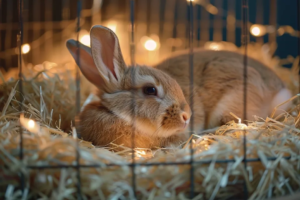
Rabbits are built for alertness and quick escape. Their freely rotating ears carry dense blood vessels that release heat and give keen hearing, while eyes set on the sides of the head give a near 300-degree view, though daytime sight is weak. A constantly twitching nose reads scent, whiskers map nearby objects, and 28 ever-growing teeth demand constant chewing. Strong hind legs power leaps, a fragile skeleton needs careful handling, and body size ranges from under 2 kg to 8 kg across small, medium and large types.
Why Does Your Rabbit Chew Everything
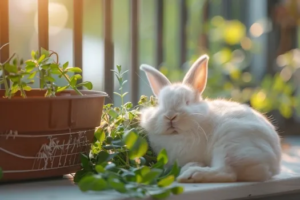
A rabbit that chews everything may be wearing down its constantly growing teeth, exercising jaw muscles, exploring by taste, relieving anxiety or boredom, or showing pica from a narrow diet lacking vitamins, minerals, or fiber. Offer safe chews like wooden toys, hay, and dried branches, enrich the environment, give exercise and interaction, keep it calm, and improve the diet. Clear harmful items such as detergent and disinfectant to prevent poisoning.

Chinese White Rabbit
The Chinese White Rabbit is China's oldest domestic rabbit — small, compact, and remarkably hardy, with red eyes only in the white form. A meat-type landrace that also makes a tough pet, it needs a wire-free cage, a ball-valve bottle, and a simple diet of pellets, alfalfa, timothy, and boiled water. Watch for coccidiosis.

Lop Rabbit
The Lop Rabbit — one of today's most popular pet rabbits — is named for its ears that hang down. Gentle, small, and people-friendly, it is short-lived (usually 5–7 years) and heat-sensitive, needs daily grooming of its dense coat and drooping ears, and must never be picked up by the ears.

LionHead Rabbit
The LionHead Rabbit is a small, gentle pet rabbit named for the ruff of long fur around its head that looks like a lion's mane. Originating in Belgium and bred in the Netherlands and US, it is sturdy and clean, needs daily coat care and a wire-free cage, and lives 5–7 years.

Basset Hound
The Basset Hound, also known as the French Short-legged Hound, originates from France. An ancient and noble scent hound, it was developed in Britain from French bloodlines and was traditionally used to track rabbits, deer, and other game by scent.

Nebelung
The Nebelung is essentially a long-haired Russian Blue, a rare variant recognized by TICA in 1987 and hailed as the 'nobility of long-haired breeds.' Apart from its coat, it is identical to the Russian Blue. Quiet, shy, and gentle, yet intelligent and adaptable, it is well suited to calm households.