Search Results
107 results for “rabbit eating fur”

Abyssinian
The Abyssinian, also called the rabbit cat, Ethiopian cat, or Abyssinian, has the English name Abyssinian and is now distributed around the world. People usually judge a cat's origin by its name, but the Abyssinian's origin seems somewhat distant from Abyssinia. Abyssinia is the old name for Ethiopia, yet many believe the Abyssinian comes from ancient Egypt.
How should this be treated?
A rabbit's red, swollen eyes may be conjunctivitis from dust, fur, or hay irritating the eye; clean with saline, apply anti-inflammatory eye drops, and fit an Elizabethan collar, and it should recover in a few days. If infection or another disease is the cause, treat the underlying illness too.
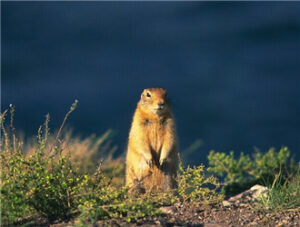
Marmot
The marmot is an expert burrower and hibernator with a coat the color of soil and a clever, endearing look. A vegetarian rodent kept as a pet, it needs a sturdy cage, fresh food and water daily, and vitamin C to avoid scurvy.

Britannia Petite
The Britannia Petite is one of the smallest domestic rabbit breeds, preserved through selective breeding and prized for its petite, alert, upright posture. Originating in England and Poland, it is an active, lively companion rabbit that needs careful feeding and a clean, well-lit environment.

Mountain Hare
The Mountain Hare (Snow Rabbit) is a hare of cold regions whose coat color differs between winter and summer. It is the only completely color-changing hare still found in China, with greater numbers in Heilongjiang. Timid and easily startled, it is difficult to keep in captivity.

Flemish Giant
The Flemish Giant is the largest pet rabbit breed in existence today, originally from Belgium and later developed through breeding programs in the United States. Though a giant by rabbit standards, it is kept as a gentle family companion, but its large size and hearty appetite make it best suited to owners with plenty of space.

Chinchilla Behavior and Diet: Habits and Feeding Guide
Chinchillas are hardy, heat-sensitive rodents from the Andes that need a cool environment (8–22°C) and a hay-based diet. Feed mostly timothy and alfalfa hay to wear down continuously growing teeth, add a little pelleted food and fresh water, and limit sugary snacks.
- « Previous
- 1
- …
- 9
- 10
- 11