Search Results
449 results for “pellet feeding”

How to Help Your Overweight Hamster Lose Weight
Hamster obesity raises the risk of heart disease, diabetes, arthritis, and fatty liver, cuts mobility, shortens life, and can cause breeding trouble and anxiety. To slim one down, cut portions of fatty foods, add a wheel and climbing toys plus out-of-cage time, limit sugary treats, weigh regularly, and avoid overstimulation that triggers overeating. Severe cases need a vet's tailored plan. Patience is essential; weight loss takes time.
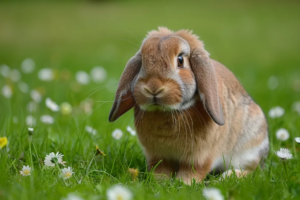
What to Do When Your Rabbit Is a Picky Eater
A picky rabbit may refuse food because of taste preference, a recent environment change, or dental trouble. Offer variety, fresh food, and a gradual switch to new items, and avoid overfeeding treats. Check teeth and mouth regularly, keep the diet balanced, and give enough space and exercise. Persistent pickiness with other symptoms warrants a veterinary check, since poor intake risks nutrient deficiency and weak growth.

Red-Eared Slider Shedding but Not Eating: What to Do
A red-eared slider that sheds but stops eating may simply be reacting to the molt, or it may signal a problem with temperature, water quality, or health. First check that the habitat is right, then adjust water temperature and change water regularly. Offer varied foods like fish, lean pork, shrimp, and snails to tempt appetite, and use a dangled-food trick if it will not bite. If the fast drags on or other symptoms appear, consult a veterinarian.
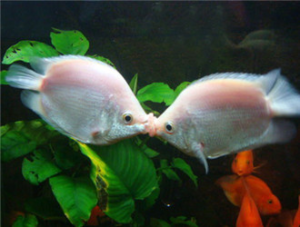
Kissing Gourami
The Kissing Gourami (Helostoma temminckii), also called the Kissing Fish, is a common, well-known tropical ornamental. Many think its 'kissing' shows love, but it is actually territorial fighting.
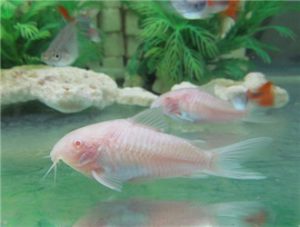
White Corydoras
The White Corydoras is native to South American waters and is now mostly captive-bred. An albino form of the Bronze Cory, it has a milky white body with clear red eyes, is gentle, and is kept in schools. Egg-laying and good with small fish, it suits planted tanks as a bottom fish.
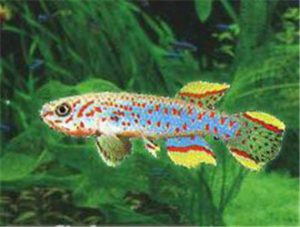
Aegean Killifish
The Aegean Killifish (Aphyosemion celiae) is native to West Africa and shaped like the harp killifish, 6-7 cm long. It likes weakly acidic water and higher temperature (optimal 24-28 C), eats live foods like bloodworms and artemia, and is hardy and easy to keep.
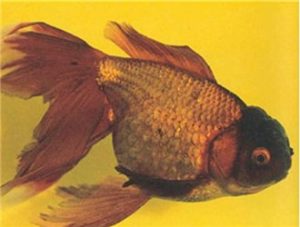
Brown Oranda with Curled Opercula
In goldfish, curled opercula is usually a disease sign, but the Brown Oranda with Curled Opercula has gill covers that grow everted from inside out like a wound - a hereditary variation.
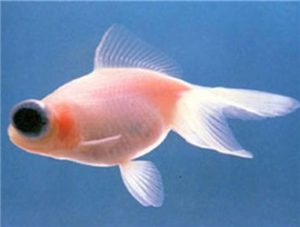
Cinnabar-eye Big Butterfly-tail Goldfish
The Cinnabar-eye Big Butterfly-tail Goldfish is a goldfish variety with a pure white belly and only cinnabar-red eyes, very striking. Gentle, it is beloved by hobbyists.
Pearl Lined Lamprologus
The Pearl Lined Lamprologus (Neolamprologus tetracanthus) is mainly distributed in Lake Tanganyika, favoring the boundary of rock and sand. A cichlid with strong territoriality and fast growth, it is best kept alone.

Ingot Red Goldfish
The Ingot Red Goldfish is a goldfish variety whose head red patch has a rear edge curving inward like an ancient ingot, a very unique form beloved by goldfish fans. Like goldfish it is gentle and can be kept with other gentle fish.