Search Results
449 results for “pellet feeding”

Pet CoQ10 Supplements Reviewed: Picking One That Genuinely Supports Heart Health
CoQ10 is a popular supplement for pets with heart conditions, but it supports heart function rather than curing disease. It helps the heart muscle generate energy, mildly slows heart failure, and supports immunity and vitality. Yet the market is full of weak or mislabeled products—industry figures suggest most pet CoQ10 labels either understate or omit the actual content, and some use industrial-grade raw materials. When choosing a supplement, look for verified CoQ10 content (ideally backed by independent testing), natural fermentation sources, and a clean antioxidant formula, matched to your pet's age, breed risk, and symptoms. Used alongside veterinary treatment, a quality CoQ10 can be a valuable part of heart care.
Which Deep-Water Turtles Are Budget-Friendly?
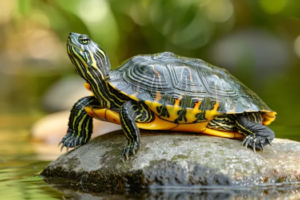
The musk turtle is the most affordable deep-water species because it breeds readily and is widely available, and it is also easy to keep, adaptable, and tolerant of average water quality. Even though it lives in deep water, it still needs a basking spot, so add a platform and let it sun for about two to three hours a day to aid digestion and calcium absorption. With stable warm water, clean conditions, and proper food, a musk turtle is an excellent low-cost choice for new keepers.

How to Tell When a Turtle Is Hungry
A hungry turtle stretches its neck and crawls quickly toward its owner, may bite tank mates' limbs and tails in a shared tank, paddles restlessly searching for food, chews on decorations, eats instantly when fed, and may even mistake a finger for food. Turtles are extremely tolerant of fasting and can survive weeks without eating, but long hunger harms their health. Feed on a schedule, raise frequency in summer, and reduce it in winter, stopping entirely during hibernation.

What Are Semi-Aquatic Turtles?
Semi-aquatic turtles are species that do not depend heavily on water. Unlike fully aquatic turtles that must live submerged for long periods, semi-aquatic turtles can spend time on land and only need occasional access to water. In captivity, owners should always provide a shallow water basin so the turtle can soak when needed. Popular examples include the golden coin turtle, leaf turtle, yellow-margined box turtle, Asian giant turtle, spiny hill turtle, and Amboina box turtle. Most semi-aquatic turtles are omnivorous and lean toward plant-based foods. A practical diet uses commercial turtle pellets as the staple, supplemented with vegetables and fruit. Because they do not need water to swallow, they eat comfortably on land, which makes them relatively easy to care for.

How to Care for an Alligator Snapping Turtle
Alligator snapping turtles are aggressive, long-lived freshwater turtles that make challenging but rewarding pets. They are mostly aquatic but must come ashore often to breathe, so provide a rock or basking platform. Keep water deep, about two to three times the shell height, with a land area for shelter and sunning. Change only one fifth to one third of the water weekly to avoid shocking them. Feed a varied carnivorous-leaning diet of fish, shrimp, earthworms, lean meat, and insects plus some greens, and keep the temperature steady at 26 to 32 degrees Celsius. Avoid overfeeding and too much fat or salt, and clean the habitat regularly to prevent disease.

How to Care for a Red-Eared Slider (Brazilian Turtle)
Red-eared sliders, often called Brazilian turtles, are inexpensive and hardy, which makes them a popular first pet turtle. But like any reptile, they need the right setup to stay healthy. Provide a spacious aquarium or tub so the turtle can swim freely, keep the water between 20 and 30 degrees Celsius with a heater, and add a basking platform or dry land where it can climb out to warm up and rest. Without natural sunlight, use a UVB lamp to support calcium absorption and shell development. Change the water regularly and keep the substrate clean to prevent infection. Feed a balanced omnivorous diet of vegetables, fruit, insects, and quality pellets, with calcium and vitamin supplements. With consistent care, your turtle can thrive for years.

Is It Normal for a Rabbit Not to Poop for a Day?
Rabbits digest food quickly and usually pass droppings soon after eating, so a full day without poop can be a warning sign. It may simply mean your rabbit ate little, or it could indicate constipation from poor feeding, lack of exercise, weak digestion, hairballs, or a dirty water supply. Owners should keep food and water fresh, monitor intake, and help with fluids, probiotics, and exercise when needed. Understanding the cause is key—this article breaks down why rabbits stop pooping and how to respond.

Causes and Prevention of Enteritis in Pet Turtles
Enteritis is one of the most common illnesses in pet turtles, and it usually starts with two problems: poor feeding habits such as overfeeding or spoiled food, and infection by bacteria, viruses, fungi, or parasites. The good news is that with the right treatment—stopping diarrhea, then restoring gut function, then refeeding—most turtles recover. Even better, a few steady husbandry habits around water, tank cleaning, and feeding can prevent most cases before they begin. This guide covers both treatment and prevention.

Can Hamsters Eat Vegetable Leaves?
Vegetable leaves add water and help hamsters cool off in summer, but only in moderation and always washed and dried, since excess moisture causes diarrhea. A few servings a week aid digestion and prevent constipation, with grains as the staple and millet or mealworms for balance. Hardy foods also help wear teeth. Avoid spicy vegetables like chili, onion, garlic, and leek, and never human leftovers or wilted, refrigerated greens, which can harbor bacteria and toxins.

How to Care for a Netherland Dwarf Rabbit
Netherland Dwarf rabbits are active and need both proper housing and a sensible diet to stay healthy. Provide a cage of roughly 80×60×70 cm with soft bedding, safe toys, and chew sticks, and keep the environment at a stable temperature with low humidity, gentle light, and minimal noise. Feed mainly fresh hay (timothy, mixed, or alfalfa) for dental and digestive health, supplement with quality pellets, a little fruit and vegetables, and constant clean water—but control portions, since these rabbits gain weight easily. Build trust slowly through hand-feeding and gentle handling, and check coat, skin, eyes, ears, and teeth regularly.