Search Results
449 results for “pellet feeding”
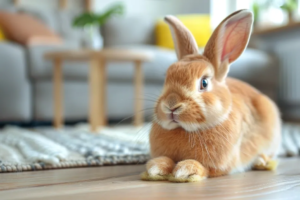
What to Feed a Rabbit With Low Blood Sugar
When a rabbit has low blood sugar, offer foods containing glucose or a nutritional solution; if none is at hand, brown-sugar or white-sugar water works as a substitute. Because a weak rabbit may not eat on its own, the owner must feed it. Keep it warm and gently massage its limbs. Once it recovers, provide pellets and hay to rebuild strength. If symptoms do not improve, take the rabbit to a veterinary clinic where glucose can be injected to raise blood sugar. Regular monitoring and diet adjustment help prevent recurrence.
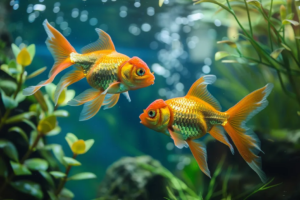
How to Feed Goldfish a Balanced Diet
Goldfish are omnivores that eat both plant and animal foods, so a sensible diet mixes the two. Offer finely chopped veggies and fruit—carrot, cucumber, apple—for vitamins and fiber, plus small live or frozen foods like daphnia, bloodworms, and brine shrimp for protein. Feed a quality goldfish pellet as the staple, twice daily in amounts finished within 10 minutes, and keep the water clean, oxygenated, and planted with greenery. A varied, measured diet, with the occasional live-food treat, is the recipe for healthy, vibrant goldfish.

Why Do Koi Get Enteritis?
Koi enteritis has many triggers: poor water quality, temperatures that are too high or low, malnutrition, dirty food, and viral or parasitic infection. Good pond management is the first line of defense—keep water clean and the temperature stable, feed a varied, hygienic diet, and test the water and control disease regularly. If a koi does develop enteritis, act fast: fix the water, use antibiotics or anti-inflammatory drugs as a vet advises, and adjust the diet to support recovery.

What to Do When Your Guinea Pig Has Digestive Issues
Guinea pigs have delicate digestive systems, so diet mistakes easily lead to indigestion marked by reduced appetite, weight loss, diarrhea or constipation, bloating, and sometimes vomiting. When symptoms appear, the first step is to adjust the diet: feed a balanced mix, avoid overfeeding hard-to-digest foods like excessive vegetables and fruit, and keep everything fresh. Daily exercise for one to two hours supports gut movement, while a stable, low-stress home environment protects digestion. Adding pet probiotics or prebiotics helps rebalance the gut flora and restore normal function. If symptoms persist, a veterinary visit is essential to rule out gastritis, parasites, or infection. With attentive diet and care, most guinea pigs recover comfortably.
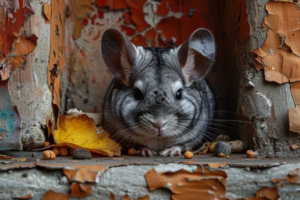
Why Is My Chinchilla Losing Weight (and What to Do)
A chinchilla that grows thin usually points to poor nutrition, illness, stress, or its surroundings. Chinchillas are herbivores whose main food is grass, needing protein-rich, balanced feed—special pellets, hay, and a little fruit and vegetable. Long-term wrong feeding starves them of nutrients. Health issues like parasites, digestive trouble, or dental problems also cut how much they absorb, so a slimming chinchilla with a normal diet needs a vet. A damp, dirty, or noisy home kills appetite, and anxiety from frequent moves or other pets does too. Keep the diet balanced, the cage clean and quiet, and stress low to bring the weight back.
What to Do If Your Guinea Pig Won’t Eat?
A guinea pig that loses its appetite can signal illness—such as a cold, intestinal parasites, or dental problems—or simpler issues like a monotonous diet, spoiled food, a move, stress, or poor digestion. Because these animals are sensitive, the key is to find the cause and act. Offer varied, nutritious food (vegetables, fruit, pellets), encourage gentle daily exercise like walks or play to aid digestion, and watch its body closely so any health problem gets veterinary care quickly. With the right diet, a calm environment, and attention to its mood, most guinea pigs regain their appetite.
What do betta fish eat?
Bettas eat brine shrimp, bloodworms, daphnia, tubifex and insect larvae, plus some vegetable matter and commercial pellets. Vary the diet and use floating food; don't overfeed plant matter.
Can rabbits eat rice?
No. Rabbits are herbivores whose staple is pellets or hay; rice starch overloads the gut and causes bloating, vomiting or diarrhea. Keep rice out of their diet.

How to Feed a One-and-a-Half-Month-Old Chinchilla
A chinchilla at six weeks is weaned and ready to come home, but it is still fragile and needs careful feeding. Base the diet on hay and chinchilla pellets, with alfalfa hay as the young staple and the occasional timothy hay to ease the gut, and avoid treats before eight months. Feed small amounts several times a day, always provide fresh water via a bottle, keep the cage dry and clean, and give a multi-level cage with a wheel and regular free time.
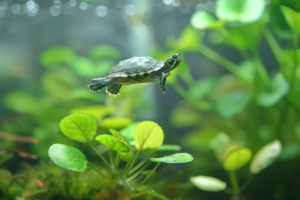
Key Points for Keeping Turtles as a Beginner
Good water, enough food, sunlight, and suitable temperature are the basics of turtle keeping and the keys to a long, healthy life. Focus on diet: choose high-quality turtle pellets for balanced nutrition and avoid processed human foods like sausage, bacon, and fried snacks, which are salty and burden the liver. Feed by size, two to three small shrimp for a hatchling, and adjust frequency with the season, roughly every one to three days and daily in hot summer.