Search Results
58 results for “parrot stress”

What to Do When a Blood Parrot Fish Loses Its Red Color?
A blood parrot cichlid that loses its red color is usually responding to insufficient light, poor water quality, temperature stress, or an unbalanced diet. Restore vivid color by keeping the pH at 6.5–7.0, doing regular water changes, feeding color-enhancing food rich in astaxanthin and carotene, providing 2–3 hours of daily light, and holding the temperature near 28°C with swings under 2°C.

Blood Parrot Cichlid Care: Ideal Water Temperature and Husbandry Guide
Blood parrot cichlids are colorful tropical aquarium fish. Keep the water stable at 25–28°C (77–82°F), maintain a slightly acidic pH of 5.5–7.0 with frequent partial water changes, feed a balanced diet of pellets plus occasional disinfected live foods, provide moderate lighting, ensure strong aeration, and watch for common illnesses like saprolegniasis and ich.
My parrot suddenly turned weird and aggressive, keeps pecking its belly feathers until it drew blood
Feather pecking with bleeding suggests feather-picking syndrome from stress, infection, or nutrient deficiency. Find the cause, treat, enrich environment, use an Elizabethan collar, and disinfect the wound.
What three colors do parrots fear most?
Parrots fear red, yellow, and black most. Most birds fear black and red; the budgerigar is very sensitive to red, though a few are not. Reactions differ by parrot, so test colors to find what yours dislikes and avoid those when buying supplies.
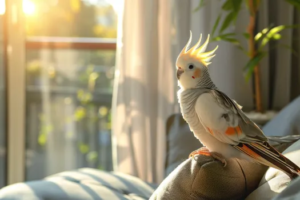
How to Feed a Newborn Parrot
Newly hatched parrots should be fed a fine, evenly textured parrot hand-feeding formula every 2-3 hours, with small portions to avoid digestion problems. Keep the brooder warm (28-32C), quiet, and clean, and watch closely for any sign of illness.
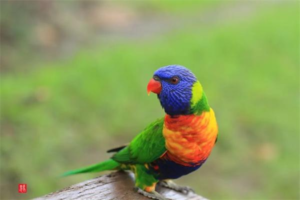
How to Clip a Parrot’s Flight Feathers Safely
Clipping a parrot's flight feathers lets it fly safely in a small space without escaping—protecting both bird and owner while preserving some flight ability. It is a skill that needs patience and practice to avoid injury. The key is to trim only the outer flight feathers (never the down feathers or blood-filled shafts), keep both wings symmetrical, and cut about half to two-thirds at a 90-degree angle. Done calmly on a relaxed, well-fed bird and finished with a gentle antiseptic, feather clipping is a safe, optional management tool.
Why Did My Blood Parrot Cichlid’s Tail Turn Black?
Blood parrot cichlids are popular aquarium fish, and owners are often alarmed when a fish's tail slowly turns black. The cause is usually practical rather than mysterious—water temperature swings, poor water quality, a fright, or a bacterial black-spot disease. Most cases trace back to husbandry, so the fix is often a better water routine. This guide explains the common reasons and the matching treatment to bring the color back.
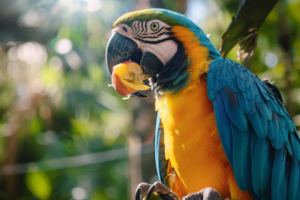
Why Is Your Parrot Refusing to Eat
A parrot that stops eating may be reacting to a new environment, disliking bland or single-note food, feeling stressed or anxious, or being ill. Most adjust to a new home within two to three days; illness brings lethargy, ruffled feathers, vomiting, or long appetite loss and needs a vet. Offer balanced species-specific feed with fruit, vegetables, and grains, give social interaction, and keep the cage clean, warm, and sunny.
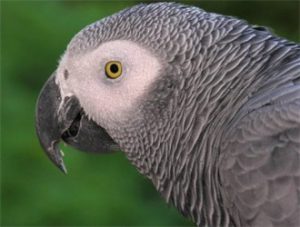
African Grey Parrot
The African grey parrot (Psittacus erithacus) is a large parrot and a typical perching bird, famous as one of the few animals that can truly hold a conversation with humans, with very high intelligence and a lifespan around 50 years.

Parrotfish
The parrotfish (family Scaridae) is a brilliantly colored marine reef fish named for its beak-like mouth; adults reach 1.2 m. It likes warm, soft, acidic water and well-oxygenated tanks, and at night spins a mucus 'cocoon'.