Search Results
58 results for “parrot stress”

Common External Diseases in Parrots
Parrots kept in captivity are especially prone to external conditions such as skin tumors, feather-plucking (self-mutilation), and scaly-face mite infestation. Understanding their causes, symptoms, and treatments helps you prevent them and act quickly if they appear.
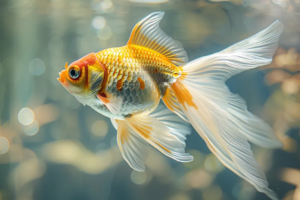
What to Do When Arowana Fish Fight
Arowanas are fiercely territorial, so fights in a community tank usually come down to cramped space, scarce food, or a big size gap. Give them room and steady feeding, match tank mates by size and temperament, and use a divider to introduce newcomers before they share open water.

What Fish Can Be Mixed with Arowana?
Arowana is large and fierce, so mixing isn't ideal, but suitable mates include crown cichlid, parrot fish, and tiger fish - mostly mid-to-lower dwellers that don't clash with the upper-swimming arowana. Ensure ample oxygen, space, and food, and keep the tank clean. Avoid small or timid fish that get eaten or stressed.
It Is 36 Days Old, Came Home Last Night, Ate Only a Little, Stools Are Formed but the Tail End Is Slightly Watery, Head Keeps Tucking Back into Its Wings, Feathers Feel Slightly Puffed Up
Based on your description and the photo, the parrot may have soft stools, reduced appetite, shivering, timidity, and puffed feathers, which could be stress-induced enteritis from a new environment or long transport, or enteritis from carried pathogens or parasites.

Why Your Budgie Screams at Night and How to Stop It
Budgies are diurnal and normally settle down at night, so persistent screaming after dark usually signals stress, hunger, or a disrupted routine. Common triggers include fright, an off schedule, nighttime noise, and an unstable perch. You can quiet a noisy bird by fixing its light and quiet, offering food and water before bed, and using calm, consistent training.

Orthopsittaca manilata
The Red-bellied Macaw (Orthopsittaca manilata) is relatively large among small parrots, with a body almost entirely covered in beautiful green feathers. Its featherless, striped face resembles a painted Beijing-opera mask and can turn red when excited. It feeds almost exclusively on the fruit of one special palm tree.
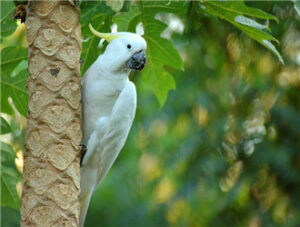
Sulphur-crested Cockatoo
The Sulphur-crested Cockatoo (Cacatua galerita) is beautiful in appearance, but those unfamiliar with it may not realize at first glance that it is a parrot. Its body color is very pale white, and most distinctively it has a yellow crest that fans up like a blooming sunflower when the bird is angry.

Why Is Your Budgerigar (Budgie) Puffing Up Its Feathers?
Budgerigars puff up their feathers for several reasons — settling in to rest, preening, showing happiness, or signaling stress and illness. Here is what each behavior means and when to see a vet.
- « Previous
- 1
- …
- 4
- 5
- 6