Search Results
58 results for “parrot stress”

Why Do Parrots Pluck Their Feathers?
Feather plucking can stem from missing nutrients, crowding, external parasites, lack of nesting material, boredom, anxiety, or mating hormones. Prevent it with space, a balanced diet, calcium, and a clean, parasite-free cage.

What Is the Best Water Temperature for Keeping Blood Parrot Cichlids?
The blood parrot cichlid, with its chubby body, soft fins, and bright red color, is loved by fish keepers. What is the best water temperature for keeping them? Today our team explains the temperature and care methods.
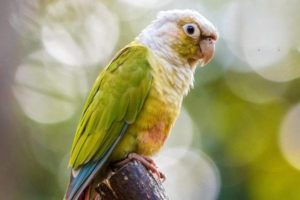
What to Do When a Parrot Is Egg-Bound?
Egg-binding is not rare, even in previously healthy layers. Handle it promptly or the parrot may die. Our team shares solutions.

How Long Can a Parrot Survive Without Eating, and What to Do
A parrot that suddenly stops eating may be ill or rejecting food; without food and water it may survive only 3-5 days, or about 10 with water. Causes include environment or diet change and disease. Observe, keep things calm and clean, and see a vet if diarrhea, fever, or lethargy appear.

Why Do Blood Parrot Cichlids Always Stay in the Corner?
Parrot cichlids staying in a corner may be from water/temperature, low oxygen, or just arriving home and not adapting. Our team explains the causes and solutions.
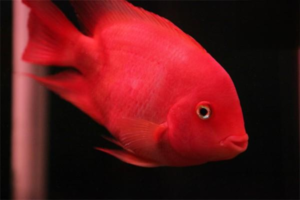
What to Do When Blood Parrot Cichlids Fear People and Hide?
Owners of parrot cichlids share a worry: the fish fear people and hide. To solve it, first understand why. Our team explains the causes and solutions.

Why Is My Parrot Fish Turning Black?
A parrot fish turns black from fright (stress), sudden environment or water changes, or genes (some carry black-spotted ancestry that fades with age). Rule out wounds with poor water that invite fungus; keep water stable at 25-28 C, pH 6.5-7.0.
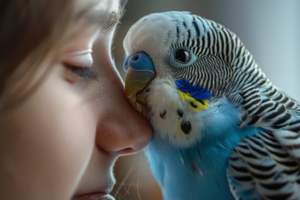
How to Deal with Black Veil (Darkening) on Blood Parrot Fish
A black veil on blood parrot fish can come from temperature swings, fright, or black spot disease. Identify the cause and treat it with stable warm water, salt, or medication.

How to Treat Saprolegniasis (Fungus) in Blood Parrot Fish
Saprolegniasis (also called cotton fungus) is a common skin disease in blood parrot fish, possible year-round. It starts from wounds or poor water quality that lets fungus take hold, and shows as white cotton-like growth. Isolate the sick fish, disinfect the tank, and treat with salt baths.

Signs of Parrot Depression
Depressed parrots show dropping appetite, new aggression, feather-plucking (which can become a destructive habit), and changed vocalizations. Since they need companionship, spend time with them and provide toys or a companion bird to prevent it.