Search Results
58 results for “parrot stress”
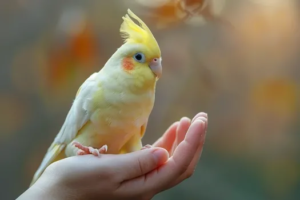
What Causes a Parrot to Shiver and What to Do
Parrot shivering usually means cold, fright, or illness such as a chill, enteritis, or diarrhea. Warm the bird and offer electrolytes for mild cases; for colds use sulfadiazine or yinqiao tablets, and for diarrhea try probiotics then oxytetracycline — see a vet if it persists.

What to Do When a Parrot Shivers
A shivering parrot is usually reacting to cold, fright, or parasites. Keep the cage above 5°C and the temperature stable, calm the bird after shocks, and watch for parasites or other illness — seek a vet if trembling is severe or the bird stops eating.
Why Won’t a Parrot Fish Eat?
A parrot fish may refuse food due to unsuitable feed, fright, enteritis or dirty water. Do not change feed abruptly; do it gradually. Stress from fright and enteritis also cause refusal. Keep diet and water managed.

What Causes Parrot Diarrhea?
Diarrhea can be poor diet, a weak or stressed gut, parasites, or bacterial and viral infection. Most cases are mild, but some signal serious disease - find the cause before treating, and guard against Newcastle, which has no cure.
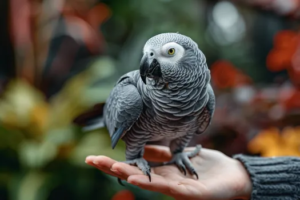
How to Treat Trichomoniasis in Parrots
Parrot trichomoniasis is a widespread protozoal disease also seen in pigeons and quail. Treat with dimetridazole or ronidazole in drinking water, plus metronidazole for 7–10 days with liver support. Prevention means clean cages and separating chicks from mothers. This article details the care.

Is It Normal for a Parrot to Pass Green Droppings?
A parrot's dropping color usually relates to diet. If you haven't fed it lots of green food yet it passes green droppings, it's likely enteritis or stress. Our pet care specialists explain the specific causes and solutions.
Why is my blood-red parrot fish’s mouth turning black?
A blood-red parrot fish's black mouth often stems from nutrient deficiency, environmental change, or infection. Lack of vitamins or minerals can darken the lips, and bacterial or viral infection needs prompt treatment; big environmental shifts that stress the fish can also cause it.
Is a parrot afraid of cats? Does it need warmth? Why does it breathe through its mouth? Does it need a nest? Does it sleep standing? What if it bites? Why does its head drop when flying?
Answers: parrots fear cats, so keep cats away to avoid stress; they feel cold, so warm them in low temperatures; mouth breathing is from a stuffy nose due to cold or heat relief; they need a breeding box only when breeding, otherwise a cage; they usually sleep standing; biting is from fear, so let them adjust and build trust; a head drop in flight may be a bump causing brief daze, keep watching and see a vet if other signs appear.
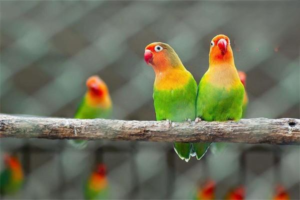
Common Signs That a Parrot Is Sick
Parrots hide weakness until they are seriously ill, so any clear sign matters. Watch for fluffing, odd droppings, noisy breathing, weight loss, eye or nose changes, flight trouble, and vomiting - and see a vet if a day of home care does not help.

Why Won’t a Newly Bought Parrot Eat or Drink?
It is common for a newly bought parrot to refuse food and water for a day or two — usually out of fear of its new surroundings and a sudden change in diet. Keep the environment calm, provide food and water, and cover the cage if it stays frantic; watch for ruffled feathers, lethargy, or diarrhea, which point to a sick bird.