Search Results
623 results for “feeding guide”
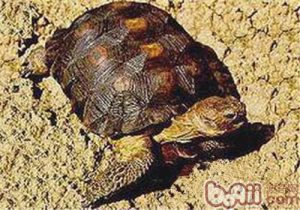
Bolson Tortoise
The Bolson Tortoise (Gopherus flavomarginatus) is the largest of North America's four remaining tortoises, native to the Mapimi Basin of the Chihuahuan Desert in Mexico. Exceptionally long-lived but with very low wild survival, it is rarely traded and depends on burrow-dwelling for safety.
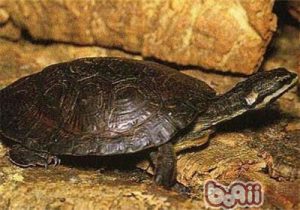
Phrynops williamsi
Phrynops williamsi, also called the Masked Toadhead Turtle, is a side-necked turtle from South America that loves basking and is semi-aquatic in the wild. Lively and relatively easy to keep, it remains uncommon in captivity and is found mainly as wild-caught individuals.
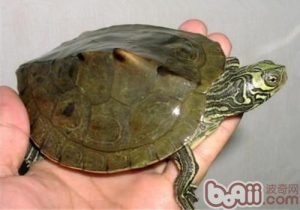
Barbour’s Map Turtle
Barbour's Map Turtle (Graptemys barbouri) is a strikingly marked map turtle from the river systems of the southeastern United States, resembling a painted turtle in form. Though widespread in the wild, it is uncommon in captivity, with the Mississippi map turtle being the most frequently kept of the group.
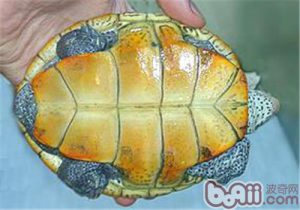
Mississippi Diamondback Terrapin
The Mississippi Diamondback Terrapin (Malaclemys terrapin pileata) is a semi-aquatic turtle from the brackish coastal marshes of the southeastern United States. Demanding about water quality, temperature, and a touch of salt, it is uncommon in the pet trade and requires committed care.

Madagascan Big-headed Side-necked Turtle
The Madagascan Big-headed Side-necked Turtle (Erymnochelys madagascariensis) is the sole member of its genus, endemic to the rivers and lakes of Madagascar. Listed as critically endangered and heavily exploited for food, it remains rare in the pet trade and its captive care requirements are not yet fully established.
Malayan Flat-shelled Turtle
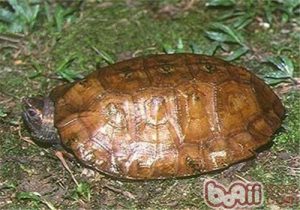
The Malayan Flat-shelled Turtle (Notochely platynota) is a secretive, chiefly herbivorous freshwater turtle from Southeast Asia that prefers shallow, plant-rich waters. Wild-caught individuals are notoriously fragile, making it one of the most difficult turtles to keep successfully in captivity.

Varanus giganteus
The Perentie (Varanus giganteus) is Australia's largest lizard, inhabiting arid grasslands where it uses its powerful hind legs and tail to sprint over short distances and scan its surroundings. A voracious and alert predator, it makes a demanding but rewarding challenge for experienced keepers.

Burmese Eyed Turtle
The Burmese eyed turtle (Morenia ocellata) comes from southern Myanmar and occasionally appears in the Chinese pet market at reasonable prices with an appealing look. Weak at adapting to new environments, it is nevertheless easy to keep as a largely aquatic turtle.

Malayan Snail-eating Turtle
The Malayan snail-eating turtle (Malayemys subtrijuga) feeds on snails, freshwater mollusks, and crustaceans, which gives it its name. Native to Malaysia and surrounding regions, it is of moderate size but generally unsuited to home keeping.
Furrowed Wood Turtle
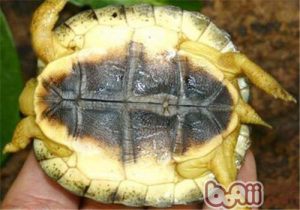
The furrowed wood turtle (Rhinoclemmys areolata) is an aquatic, strong-swimming turtle from the Yucatán Peninsula. Omnivorous but plant-leaning in the wild, it is scarce in the pet trade and can be difficult to acquire.