Search Results
239 results for “fat intake”
What happens if a dog drinks too much water?
Normal intake is about 150 ml/kg/day for puppies and 100 ml/kg for adults; more in summer or after exercise is fine if urination is normal. Sudden excessive drinking without cause may signal diabetes or kidney disease — see a vet. Water intoxication from overdrinking causes weakness, coma, edema, and reduced urination, and can be fatal.

How to Feed a Nursing Mother Cat
A mother cat loses large amounts of nutrients to her kittens while pregnant and nursing, so she needs extra protein, fat, vitamins and minerals to keep milk quality up and avoid weakness or postpartum tremors. Choose a lactation-formula cat food, feed small meals often since she moves little, and offer goat milk, nutrient paste, chicken, canned food, beef or fish broth as toppers. If she loses appetite or trembles, a vet can confirm calcium deficiency and prescribe pet calcium with vitamin D.
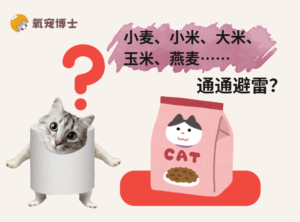
Is Grain in Cat Food Always a Dealbreaker?
Grain in cat food is not automatically a reason to reject it. Grains supply fiber, vitamins, and minerals, and most cats digest these carbs fine, so there's no need to fear them. While gluten grains carry a higher allergy risk than potato or tapioca, grain allergy is far less common than allergy to beef, dairy, or chicken. Because cats are carnivores with limited amylase, though, lower grain content is better—and a few cats should skip grains entirely.

Why Does Your Dog Have White Dandruff
Some white flakes are normal daily skin turnover, but heavy dandruff with itching, hair loss, bumps, or redness signals a problem: dry skin, fungal or bacterial infection, parasites, allergies, poor nutrition, or over-bathing. Keep the skin moisturized, bathe gently no more than weekly, deworm on schedule, and improve the diet with fatty acids and vitamins. Persistent or worsening flakes need a vet skin scrape to diagnose and treat.

Beal’s Eyed Turtle
A rare, China-endemic, largely vegetarian water turtle with four 'eye-spots' on its head - sensitive to water quality and of conservation concern.
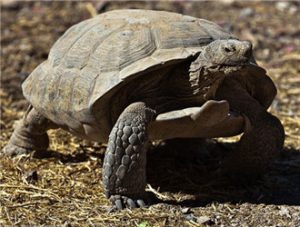
Desert Tortoise
The Desert Tortoise (Gopherus agassizii) is a hardy, large land tortoise from the dry southwestern United States and northwestern Mexico. Plain-looking with faint carapace markings, it is a protected and trade-restricted species and is challenging to keep outside its arid native range.

Pritchard’s Turtle
Pritchard's turtle (Mauremys pritchardi) is a Geoemydidae turtle found in China and Japan. Its looks blend the Chinese pond turtle and the yellow pond turtle, and some researchers believe it is a natural hybrid — though that is not officially recognised.
Hwamei (Chinese Hwamei)
The hwamei (Garrulax canorus) looks plain but has a famously loud, melodious song and has long been a prized cage bird in China. It is shy and alert, feeds on insects and seeds, and is the city bird of Guangzhou.

Kapuas Mud Snake
The Kapuas Mud Snake (also called the color-changing snake) is found in swamps and swamp forests along Indonesia's Kapuas River. A rear-fanged colubrid discovered only around 2005, it is venomous but not yet kept as a pet.
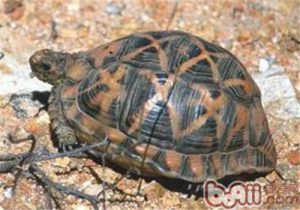
Tent Tortoise
The Tent Tortoise (Psammobates tentorius), also called the tent star tortoise, is a small, heat- and drought-tolerant tortoise that prefers plant food. Keeping it is fairly demanding, though a few individuals can be found in the pet trade.