Search Results
239 results for “fat intake”

Feeding Your Cat at Every Life Stage
A cat's diet must shift as it grows, from milk-softened kitten food through high-protein junior meals to fixed adult portions and easy senior diets. Special phases like neutering, pregnancy, and recovery have their own needs. This guide maps food, toppers, and supplements to each age so your cat gets the right nutrition.

Dietary Care for a Pregnant Cat
Pregnancy is a long, delicate process, and a mother cat's nutritional needs rise sharply before and after birth. Poor-quality food or a single, protein-poor diet can slow fetal growth and even cause miscarriage, while too much fat triggers obesity, a leading cause of pregnancy loss. This guide covers balanced feeding and three nutritious ingredients that support a healthy pregnancy.

Why Pets Gain Weight After Spaying or Neutering
An intact cat's base metabolic rate is about 30 percent higher than a neutered cat's, so the same food leads to faster weight gain after the procedure. Obesity raises the risk of heart disease, diabetes, high blood pressure, arthritis, fatty liver, and more. The fix is diet and exercise: feed timed, smaller, high-protein low-fat meals, drop the treats, and keep moving, with low-impact activity like swimming for joint-prone breeds.

What Happens When Dogs Eat Unevenly?
Feeding a dog unevenly, with stretches of hunger followed by overeating, harms its health and happiness. A dog's digestive system needs steady nourishment; frequent starvation and binging strain it, causing indigestion, vomiting, or diarrhea. Long-term nutrient gaps can slow development, weaken immunity, and invite chronic disease, while the starve-binge cycle destabilizes weight. To keep a dog healthy, feed on a consistent schedule, keep portions balanced, and always provide fresh water.

Preventing Common Spring Cat Diseases
Spring raises two risks. Urinary disease peaks in damp weather, driven by low exercise and water intake; watch for straining and act fast to avoid acute kidney failure. Colds strike with big day-night temperature swings; keep cats warm, dry, and sheltered from drafts, and seek care if they refuse food with a high fever.

Why Isn’t My Ragdoll Cat Gaining Weight?
Ragdoll cats that eat plenty but never seem to gain weight worry many owners, yet the cause is not always disease. Genetics, low activity, or an unbalanced diet may simply mean your cat burns or absorbs fewer calories than expected. Parasites are another common culprit that blocks nutrient absorption. If diet and exercise adjustments bring no improvement, a veterinary check-up can rule out hyperthyroidism, digestive disorders, or liver problems. This article explains the likely causes and the practical steps you can take at home to help your Ragdoll reach a healthy weight.
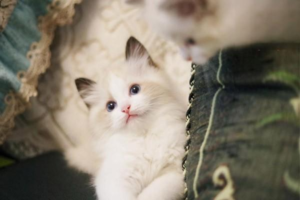
Why Does My Cat Keep Passing Gas (and What to Do)?
Frequent farting in cats is usually about digestion, but other overlooked factors matter too. Eating too fast or too much swallows air that comes out smelly; high-fiber, dairy, or very high-protein foods increase gas (excess protein also strains the pancreas); and past gut disease or unbalanced gut flora can make gas and stool smell worse. Occasional gas is normal, but constant gas affects health. Improve it by reviewing the diet, encouraging water (well-hydrated cats have less smelly waste), and trying a pet probiotic to balance gut flora and aid digestion.
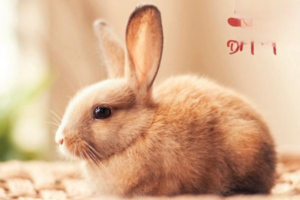
How to Relieve Bloating in Rabbits
Rabbit bloating usually comes from a fragile gut, hard-to-digest food, too little fiber, or toxic intake. Stop feeding at once and withhold food so the condition doesn't worsen, then offer a probiotic to restart gut movement and gently massage the abdomen to expel gas. Cut back on concentrated feed and add more hay to speed recovery. If home care doesn't help within a reasonable time, see a vet for targeted medication, bloating is manageable but shouldn't be ignored.

Caring for Rabbits in Summer
Summer's heat makes rabbits harder to keep healthy, without care they risk heatstroke, nutritional disease, and infection, so managing nutrition is key. Offer cooling feeds like bitter melon or watermelon rind to ease heat stress and lift appetite. Probiotic supplements help prevent digestive illness, calm heat stress, and cut hut odor and respiratory risk. Although heat lowers intake, don't cut energy too far; add fat to keep energy steady. Above all, always provide free access to fresh water.

How Much Should a Cat Eat Each Day?
Feeding style and portion size both matter. Free feeding suits a cat's natural graze-and-return instinct and saves effort, but risks overeating and stale food; timed, measured meals (ideally 3–4 times a day via an automatic feeder) make it easy to control intake and spot changes. To calculate portions, use the weight method for raw/fresh food and the calorie method for kibble: a 5 kg adult cat needing 70 kcal/kg takes about 87.5 g of a 400 kcal/100 g food. Kittens need the most energy per kg, adults less, and neutered cats least — but always adjust to your own cat's condition.