Search Results
93 results for “external drop”
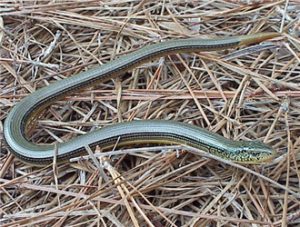
European Glass Lizard
A legless lizard that looks exactly like a snake - but it has eyelids and ear openings, and can drop its tail. The largest of the glass lizards.
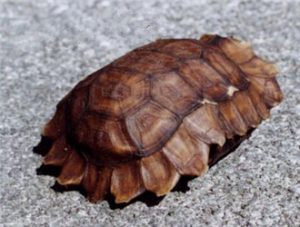
Forest Hinge-back Tortoise
The African hinge-back tortoise (Kinixys erosa), also called the forest hinge-back, is one of the most prized hinge-back tortoises from Africa. It can fold the rear of its carapace — a unique defense and breathing aid — and demands high humidity and experienced care.

Silver Arowana
The silver arowana (Osteoglossum bicirrhosum) is a large, dragon-shaped fish named for its silver scales; adults reach 90–100 cm. It needs a big covered tank, plenty of light, and a meat-based diet of shrimp, fish and insects.
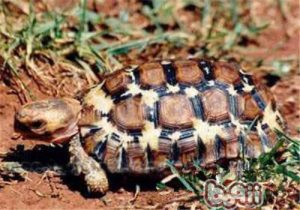
Lobatse Hingeback Tortoise
The Lobatse hingeback tortoise (Kinixys lobatsiana) is a relatively dry-adapted hingeback found in Botswana and South Africa. Though its range has two distinct rainy seasons, its habitat remains very hot overall, and it is seldom kept due to its rarity and similarity to other hingebacks.

Home’s Hinge-back Tortoise
The Home's Hinge-back Tortoise (Kinixys homeana) is a shy, high-difficulty African tortoise known for its hinged rear carapace and a 90-degree rear shell drop. It prefers warm, humid conditions with ample shade and a varied omnivorous diet, but is prone to stress-induced sudden death, so it is not recommended for beginners.
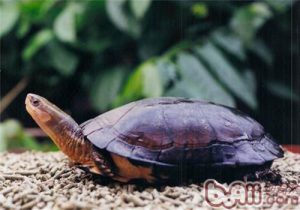
Zhou’s Box Turtle
Zhou's Box Turtle (Cuora zhoui) is a rare and precious turtle in China, found only in Guangxi and Yunnan provinces. Wild populations are nearly depleted, and most knowledge about the species comes from captive husbandry experience.

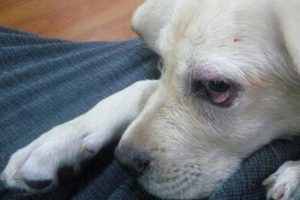
Canine and Feline Hordeolum (Stye) and Chalazion: Symptoms, Treatment, and Care
A hordeolum (stye) or chalazion is a localized infection or blockage of the eyelid glands in dogs and cats, usually from Staphylococcus. Small ones settle with warm compresses; large or persistent ones may need drainage or surgery.
Radial Nerve Paralysis in Dogs and Cats
Radial nerve paralysis leaves the elbow, wrist, and digit extensors unable to function, causing a dropped elbow, knuckled paw, and dragging toes. Forelimb or rib fractures and prolonged pressure from lying down are common causes, and rehabilitation supports recovery.

Concussion and Cerebral Contusion in Dogs and Cats: Symptoms, Treatment, and Prevention
Concussion and cerebral contusion are brain injuries from blows, falls, or car accidents that impair brain function, causing collapse, seizures, and sometimes blindness. Emergency care protects the brain, lowers pressure, and supports recovery, with surgery when bleeding compresses tissue.
How long does dog corneal inflammation take to heal?
With active treatment, corneal inflammation usually heals in about a week; severe cases take longer. Irritation from lashes or dust responds to eye drops, but inflammation from another disease needs the root cause treated too.