Search Results
500 results for “energy diet”
Preventing and Managing Kidney Disease in Cats
As cats age, kidney problems such as chronic renal failure become a real risk—and once chronic, it cannot be cured. Watch daily habits closely and choose kidney-supportive nutrition or a veterinary prescription diet to extend your cat's life. This guide covers starting preventive kidney-formula food early (most effective in stages 1–2), the right diet for cats already diagnosed (low phosphorus, low protein, high energy, palatable), and the importance of regular checkups to catch trouble early.
The Six Essential Nutrients Every Cat Needs
Like all mammals, cats need six nutrients to stay healthy: protein, carbohydrates, fat, minerals, vitamins, and water. Except for water, these must come from a balanced cat food rather than being offered separately. Each nutrient plays a distinct but interlocking role—protein builds and repairs tissue, fat supplies concentrated energy, and vitamins support everyday function. This article explains what each nutrient does, why animal protein suits cats best, and a key caution: raw fish and raw meat can rob cats of vitamin B1 and invite parasites, so always cook them and choose a complete, well-labeled commercial diet.

How to Care for a Netherland Dwarf Rabbit
Netherland Dwarf rabbits are active and need both proper housing and a sensible diet to stay healthy. Provide a cage of roughly 80×60×70 cm with soft bedding, safe toys, and chew sticks, and keep the environment at a stable temperature with low humidity, gentle light, and minimal noise. Feed mainly fresh hay (timothy, mixed, or alfalfa) for dental and digestive health, supplement with quality pellets, a little fruit and vegetables, and constant clean water—but control portions, since these rabbits gain weight easily. Build trust slowly through hand-feeding and gentle handling, and check coat, skin, eyes, ears, and teeth regularly.

How to Manage Chronic Indigestion in Dogs
Recurring indigestion in dogs is often linked to poor diet, food allergies, or conditions like gastroenteritis. Managing it starts with the right food: choose an age- and health-appropriate dog food, avoid greasy, spicy, or irritating human foods, and add vegetables, fruits, and fiber to support gut movement. Probiotics or digestive enzymes can aid digestion, while clean bowls and fresh water prevent contamination. Feed smaller, more frequent meals, transition diets gradually, and take your dog for a gentle walk about half an hour after eating to stimulate the gut. Persistent or worsening signs warrant a veterinary visit.

Are Small Dogs Easier to Feed?
Many owners assume small dogs are easier to feed because they eat less, but small breeds actually need more nutrients per bite and are fussier. They grow up faster, have quicker metabolisms, and burn through energy, so they need dense, highly digestible food given in small, frequent meals. Their tiny stomachs and narrow guts can't hold much at once, and low fat and sugar reserves put them at risk of hypoglycemia. Choose quality meat protein, enough fatty acids, and antioxidants, plus some grains to steady blood sugar.

Caring for Rabbits in Summer
Summer's heat makes rabbits harder to keep healthy, without care they risk heatstroke, nutritional disease, and infection, so managing nutrition is key. Offer cooling feeds like bitter melon or watermelon rind to ease heat stress and lift appetite. Probiotic supplements help prevent digestive illness, calm heat stress, and cut hut odor and respiratory risk. Although heat lowers intake, don't cut energy too far; add fat to keep energy steady. Above all, always provide free access to fresh water.

Why Is Your Calm Dog Suddenly Barking So Much?
A dog that suddenly won't stop barking is communicating something. The cause may be physical pain, psychological stress like separation anxiety, or unmet needs for food, attention, or exercise. Rule out illness first—limping, vomiting, or appetite loss mean a vet visit—then ease anxiety with gradual alone-time training, a quiet safe corner, and reward-based calm. Patience beats punishment, which only makes it worse.
What to Feed Your Cat for a Healthy Heart
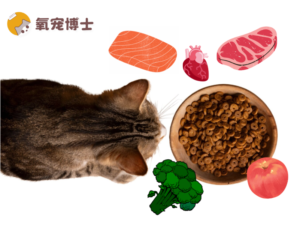
A cat's heart health rests heavily on diet. Taurine, omega-3s, L-carnitine, and vitamins E and C are the nutrients that protect the myocardium and slow decline—found in organ meat, lean poultry, salmon, and vegetables like broccoli and spinach. Just as important is what to avoid: salty, fatty, and high-cholesterol foods that strain the heart. Senior and high-risk purebred cats need regular checkups at the first sign of breathlessness.

Why Is Your Dog’s Gum Pale? Don’t Ignore It—It Could Signal These Illnesses
A healthy dog's gums are pink and refill quickly after a light press. Pale or whitish gums often mean the body isn't getting enough oxygen—usually because of anemia or an underlying chronic disease. The causes range from nutritional and blood-loss anemia to kidney or liver problems and infections. Because pale gums can point to something serious, they deserve a prompt check rather than guessing at home.

How to Feed a Nursing Mother Cat
A mother cat loses large amounts of nutrients to her kittens while pregnant and nursing, so she needs extra protein, fat, vitamins and minerals to keep milk quality up and avoid weakness or postpartum tremors. Choose a lactation-formula cat food, feed small meals often since she moves little, and offer goat milk, nutrient paste, chicken, canned food, beef or fish broth as toppers. If she loses appetite or trembles, a vet can confirm calcium deficiency and prescribe pet calcium with vitamin D.