Search Results
500 results for “energy diet”
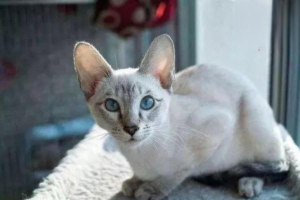
How to Boost Your Cat’s Immunity
Strong immunity rests on diet and exercise. Feed quality protein, healthy fats, minerals, and taurine, with balanced freeze-dried food and enough water. Add play with boxes, wand toys, and cat tunnels, keeping intensity gradual to protect heart and joints. Consistency is the key to a long, healthy life.

Preventing Autumn and Winter Dog Illnesses
Cold seasons bring risks. Keep warm—especially puppies and seniors—with a warmer bed, blanket, or heat lamp (watch electrical safety and distance); bathe at midday in sunlight, less often, warmer water. For weather-related colds (sneeze, runny nose, cough), use pet-specific cold medicine and warmth—never human drugs—and see a vet if it worsens. Keep walking for immunity; short-haired or weak dogs can wear coats and must be dried after rain. Diet may need more frequent small meals; keep probiotics ready for soft stool. Deworm year-round (fleas stay active), and expect the autumn coat shed (Sept–Oct).

How to Help a Fat Cat Lose Weight
Obesity invites diabetes, hypertension, heart disease, and fatty liver. The key is diet: cats run on protein and fat, not carbs, and high carbs block protein absorption and shrink muscle (sarcopenia), which slows metabolism and worsens weight gain. Skip 'light' kibble that cuts weight by burning muscle; feed high-protein (45%+), low-carb wet food instead. Split meals into set mealtimes, calculate intake to 60–80% of resting needs for very fat cats, and keep them active.

How Should Dogs Eat Carrots?
Carrots are a great low-calorie treat for dogs—100 g has only 32 kcal and good palatability, so even a dog on a diet can learn to love them. They are rich in antioxidants alpha- and beta-carotene, which convert to vitamin A, potassium, fiber, and other nutrients. Vitamin A aids vision (especially in senior dogs), immunity, and skin health; vitamin B6 helps turn carbs, fat, and protein into energy; and the high fiber supports healthy digestion and stools. One rule: never feed raw carrots—dogs can't absorb the vitamin A in raw carrots, so it is wasted. Cook them: steaming is best (boiling works too), because breaking the cell walls makes nutrients easier to absorb. You do not need to fry them in oil; carotene is fat-soluble, but absorption happens in the intestine, so any fat already in the meal is enough. Feed in moderation based on size and digestion—a Yorkshire Terrier needs only about 1–2 thin slices a day.

Rabbit Lying Down with Weak Limbs — What to Do
Seeing a rabbit flat on the ground with weak legs can look like the end, but the cause is often treatable. The three usual suspects are heatstroke from a hot, stuffy room, low blood sugar from poor nutrition, and coccidiosis, a parasitic gut infection. Each has a distinct fix, from cooling and glucose to deworming and disinfection. This guide explains how to tell them apart and what to do before a vet visit becomes necessary.

Dog Is Bloated but Not Defecating — What to Do
A dog with a swollen belly that will not pass stool is usually constipated, but the underlying reason matters: it could be simple indigestion, a bowel blocked by a swallowed object, too little exercise, or a painful condition that makes the dog hold back. Matching the cause to the fix prevents a minor issue from becoming an emergency. This guide lists the common causes and the practical steps—water, probiotics, exercise, and portion control—that get things moving again.

Do Rabbits Need to Hibernate?
Rabbits do not hibernate. As warm-blooded animals, they regulate their own body temperature and stay active through winter. That said, they still feel the cold despite their thick fur, so owners must provide warmth and shelter when temperatures drop. Moving the hutch indoors, sealing drafts, lining the cage, and adding soft bedding all help prevent chilling. Adjusting the diet with extra food and higher-calorie items supports their increased winter energy needs. This article explains why rabbits skip hibernation and how to keep them safe in cold weather.

Why Isn’t My Ragdoll Cat Gaining Weight?
Ragdoll cats that eat plenty but never seem to gain weight worry many owners, yet the cause is not always disease. Genetics, low activity, or an unbalanced diet may simply mean your cat burns or absorbs fewer calories than expected. Parasites are another common culprit that blocks nutrient absorption. If diet and exercise adjustments bring no improvement, a veterinary check-up can rule out hyperthyroidism, digestive disorders, or liver problems. This article explains the likely causes and the practical steps you can take at home to help your Ragdoll reach a healthy weight.

5 Things to Prepare Before Bringing a Cat Home
Bringing a cat home is a long-term commitment, so before you do, make sure you are truly ready to welcome a new life into your care. Preparation makes all the difference to your cat's smooth transition. First, learn the basics of feline care and, above all, prepare yourself mentally. Understand your cat's usual diet from the previous owner and avoid sudden food changes that can cause diarrhea or vomiting. Set up a quiet, cozy sleeping area, a generously sized litter box with the litter your cat prefers, and plenty of scratching posts and toys to prevent furniture damage. Choose a sturdy, well-ventilated carrier for trips. When your cat first arrives, give it time to adjust to unfamiliar smells—never force it out of hiding, and if it refuses food for more than three days, see a vet.

How to Choose a Complete (Full-Life-Stage) Cat Food
A cat's life is only about a dozen years, so good food genuinely extends it. Start by reading the nutrition panel: higher protein means better food. As a carnivore, a good cat diet is high protein (over 40% of calories), moderate fat (~40%), and low carbs (~5%), with helpful add-ins like fish oil, vitamins, and minerals. The term 'complete cat food' means a formula that meets all of a cat's daily nutritional needs through balanced energy, protein, and added supplements—so beginners should look for that label first.