Search Results
500 results for “energy diet”
How to Reduce Heavy Shedding in a Ragdoll Cat
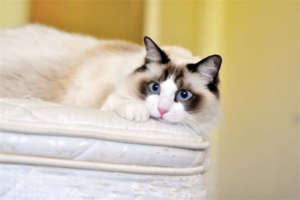
A Ragdoll's heavy shedding can stem from seasonal change, poor diet, weak care, stress or an underlying health issue. Brush regularly to stop mats, bathe on a sensible schedule with a gentle cat shampoo, and avoid salty or greasy food while adding omega-3 and vitamins for skin and coat. Keep the home calm and quiet, and if shedding stays severe, have a vet rule out skin disease, allergies, parasites or hormonal problems before treating.

Why Do Rabbits Eat Their Own Droppings?
It is normal and harmless for a rabbit to eat its droppings. Rabbits pass hard pellets by day and soft, nutrient-rich cecotropes at night, and eating the soft ones recycles undigested fibre and nutrients, much of it from hay they could not fully break down the first time. The extra fibre also helps prevent diarrhea. Owners need not worry, though sudden diarrhea still calls for better diet, warmth and calm to avoid stress.

Why Does Dog Poop Start Dry Then Turn Loose?
When a dog's stool is dry at the start and loose at the end, it means the gut absorbed water unevenly: the first part sat long and dried out, while the last part moved through too fast to dry. Common, mild causes are diet change, holding stool too long, stress, or gut-flora imbalance. Persistent cases or those with blood, vomiting, or pain can signal megacolon, colitis, or other illness and need a vet.

Can Dog Kidney Failure Be Cured? The Honest Answer
Dog kidney failure splits into two very different pictures. Acute failure—from toxins, severe infection, or a blockage—can often be reversed if treated within about 72 hours. Chronic failure, common in older dogs, is irreversible because most function is already lost before signs appear; the goal then is to slow it down and protect quality of life. Both need a veterinarian's plan, not guesswork.
Cat Won’t Eat or Drink in a New Home? What to Do
A cat that refuses food and water after a move is reacting to stress, not being difficult. Short refusals of a day or two are usually mild, but beyond 48 hours the risk of fatty liver rises, and beyond 72 hours you should call a vet. The fix is to lower stress—familiar scents, the same food, a calm presence—never force-feeding, which makes things worse.
Downsides of Owning a Ragdoll Cat
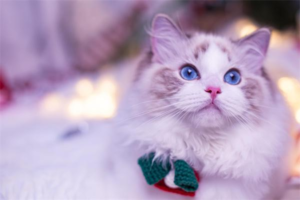
Ragdolls are beloved but come with real drawbacks: heavy shedding that needs regular grooming, a large body that eats more and costs more, long fur that traps dust and food and spreads around the home, a clingy nature that demands attention, a higher purchase price, and a delicate stomach prone to diarrhea and vomiting. Their upsides, gentle friendliness, easy adaptability, and calm low-energy temperament, often make owners accept the extra work. Weigh the cons against your lifestyle before committing.

Cat CoQ10 Buyer’s Guide: Reading Labels and Avoiding the Pitfalls
Roughly 15% of cats develop some form of heart disease, with seniors, flat-faced breeds, Ragdolls, and overweight or inactive cats at higher risk. CoQ10 supports cellular energy in heart muscle, but natural production drops as cats age. When choosing a supplement, the smart move is to read the label and judge the formula—not the marketing. This guide breaks down what to look for and the common traps to avoid.

Dog CoQ10: Test Data Beats the Hype
CoQ10 is a supplement, not a drug — it fuels the heart, fights oxidation, and slows myocardial aging, but it cannot replace medication for heart disease. For an 8-year-old dog that pants on walks and coughs at night, the first step is a vet, not a bottle. There is no single 'most reliable' brand, but a few practical checks separate a working product from an expensive guess. This guide lays them out.

CoQ10 for Cats and Dogs: Food Sources, Benefits, and Who Needs It
Coenzyme Q10 (CoQ10, or ubiquinone) is a fat-soluble compound that helps cells make energy and is concentrated in high-demand organs such as the heart, liver, and kidneys. Most healthy pets make enough on their own, but seniors, certain breeds, and pets with heart conditions may benefit from supplementation. This guide covers what CoQ10 does, which foods naturally contain it, which pets are most likely to need a supplement, and the key safety precautions to keep in mind.

CoQ10 for Pets: What It Is and How to Choose a Quality Supplement
Coenzyme Q10 (CoQ10) is a fat-soluble compound that helps cells produce energy, and it is concentrated in the heart, kidneys, liver, and brain. As cats and dogs age, their ability to make CoQ10 declines, which is why it is often discussed as a heart-support supplement. This guide explains what CoQ10 does, which pets are most likely to benefit, how to judge a supplement's real quality, and practical feeding tips — so you can make an informed choice instead of relying on marketing claims.