Search Results
500 results for “energy diet”
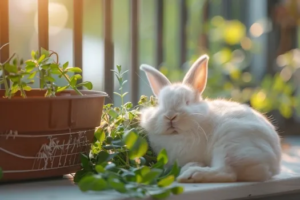
Why Does Your Rabbit Chew Everything
A rabbit that chews everything may be wearing down its constantly growing teeth, exercising jaw muscles, exploring by taste, relieving anxiety or boredom, or showing pica from a narrow diet lacking vitamins, minerals, or fiber. Offer safe chews like wooden toys, hay, and dried branches, enrich the environment, give exercise and interaction, keep it calm, and improve the diet. Clear harmful items such as detergent and disinfectant to prevent poisoning.

How to Help Your Overweight Hamster Lose Weight
Hamster obesity raises the risk of heart disease, diabetes, arthritis, and fatty liver, cuts mobility, shortens life, and can cause breeding trouble and anxiety. To slim one down, cut portions of fatty foods, add a wheel and climbing toys plus out-of-cage time, limit sugary treats, weigh regularly, and avoid overstimulation that triggers overeating. Severe cases need a vet's tailored plan. Patience is essential; weight loss takes time.
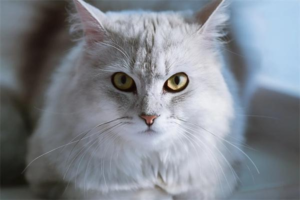
Why Your Cat Eats But Stays Thin
A cat that eats plenty yet stays thin can point to a weak digestive system, high activity, picky eating, illness, or genetics. If the cat is not naturally slender but eats well without gaining weight, a vet check is wise to rule out problems and adjust diet. Some cats are simply born lean and stay healthy that way, which is no cause for worry. Either way, forcing extra weight is unhealthy.
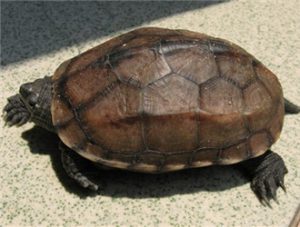
Chinese Pond Turtle (Reeves’ Turtle)
China's most common native turtle - hardy, cheap, and the 'ink turtle' that turns black with age. A classic, beginner-friendly pond turtle.

Beaked Cape Tortoise
The Beaked Cape Tortoise (Homopus areolatus), or parrot-beaked tortoise, is the world's smallest tortoise, a secretive rock-dweller endemic to South Africa's Cape. Delicate in captivity, it is best left to experts.

Narrow-bridged Musk Turtle
The Narrow-bridged Musk Turtle (Claudius angustatus), nicknamed the king of the mud-and-musk turtles, is an expensive, fierce-tempered and highly entertaining aquatic turtle. It tolerates deep water but can still drown.

Sonoran mud turtle
The Sonoran mud turtle is an uncommon, nocturnal musk turtle from the southwestern United States and northern Mexico, notable as the only subspecies in its group with night-active habits. A medium-sized aquatic turtle, it adapts well to captive care once settled.
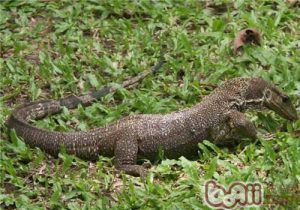
Yellow Monitor
The yellow monitor (Varanus flavescens) is a moderately large monitor lizard named for its yellowish coloration. Found across the floodplains of the Indus, Ganges, and Brahmaputra rivers in India, Pakistan, Nepal, and Bangladesh, it favors damp environments and is rarely kept as a pet.

Dog Panting After a Few Steps? Don’t Ignore Heart Trouble
A dog that pants heavily or struggles to breathe after only a short walk may be signaling heart disease rather than mere old age or extra weight. Key warning signs include a sudden drop in stamina, labored breathing at rest, blue-tinged gums, nighttime coughing, and lethargy. Early veterinary diagnosis and daily heart-care management can dramatically slow progression and extend your dog's life.

When Your Dog Pants After a Short Walk: A Heart-Health Warning
Panting after brief exercise can be normal, but a formerly active dog that tires after a few steps, pants without exertion, coughs at night, or shows blue gums may have heart disease. Veterinary heart assessment and early care greatly slow progression.