Search Results
500 results for “energy diet”
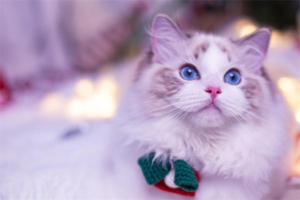
When Do Ragdoll Cats Develop Cheek Jowls?
Ragdoll cats usually start developing cheek jowls at 6–8 months, though genetics set the exact timing and some begin earlier or later. Only males develop true jowls; it depends on inherited genes from the parents. Diet, exercise, and neutering also shape the result. To support healthy jowl development, feed plenty of protein, vitamins, and minerals, offer chewy or raw-meaty-bone snacks to build jaw muscles, keep the cat active, and time neutering until after the face fills out. Remember, not every Ragdoll will jowl—genes decide. If you have concerns, consult a veterinarian.

Why Is My Dog Suddenly Restless or Agitated?
A dog that suddenly becomes restless—unable to settle, chewing furniture, or barking nonstop—is a common problem with many possible causes. Physical issues such as pain, illness, or hormonal changes, environmental triggers like strangers, new smells, noise, or flashing lights, unmet needs such as lack of exercise or poor diet, and emotional troubles including separation anxiety, phobias, or depression can all spark agitation. Start by checking your dog's body for fever, rapid breathing, or other warning signs. If the dog is physically healthy, adjust diet and environment or seek veterinary advice. Understanding the cause is the first step to calming your companion.

What to Do When Your Cat Is Overweight
Many owners find chubby cats adorable, but one extra pound on a cat equals roughly a dozen on a human, and obesity brings real health costs. Cats get fat for clear reasons: modern diets high in starch and energy, free-feeding habits, and neutering that slows metabolism. The dangers include inflammation, heart and lung strain, joint problems and diabetes - even a shorter life. The key to weight loss is not exercise but diet: keep protein high while cutting calories, feed measured timed meals, and stay consistent. Do your homework before putting your cat on a diet.

What to Do When Your Cat Throws Up
Cat vomiting has many causes, so watch and reason before acting, and see a vet when needed. A single vomit of undigested food with normal energy is usually harmless. Bad or spoiled food can trigger it and may lead to gastroenteritis. Hairballs show as fur in the vomit and need a hairball remedy. True gastroenteritis brings repeated vomiting, soft stools, and severe thirst but no eating, risking dehydration and organ failure if ignored. Pancreatitis and serious viral infections also start with vomiting. For mild cases, probiotics and warm water may help; persistent vomiting needs a vet, where anti-emetic and anti-inflammatory shots work fast and forced feeding may be needed.

What to Do When a Rabbit Gets Hyper at Night
A rabbit that turns energetic at night can have many reasons: too little daytime activity, changes in the evening environment, or physical discomfort. To burn off energy, give it enough stimulation during the day. Also check diet and health regularly to rule out digestion trouble or pain, and offer a cozy hiding spot like a box to help it relax and sleep. If night excitement persists, too much noise or light may be the cause, so place the cage in a quieter area with fewer stimuli.

Feeding an Overweight or Obese Cat
Most adult cats should weigh around nine jin, yet free-feeding makes nearly all of them gain weight. Obesity fuels joint disease and diabetes, so the answer is scheduled, measured meals that cap daily calories at roughly 200 to 225 kcal. If obesity is already causing serious illness, work with a vet on a safe weight-loss plan and monitor progress with regular checkups.

Causes and Prevention of Liver Disease in Cats
The liver is the body's largest metabolic and digestive organ, and in cats it is closely tied to the blood, digestion, tendons, and eyesight. Liver disease can arise from nutritional or endocrine disorders, infections, or poisons such as arsenic, mercury, chloroform, and aflatoxin. Early signs are usually digestive, like vomiting, poor appetite, and pale stools, while later stages bring muscle tremors and weakness. Management focuses on the right balance of energy, protein, fat, and carbohydrates, plenty of vitamins, and a light, easily digested diet or a prescription liver formula to support recovery.
Preventing and Managing Cat Kidney Disease
Use kidney-support cat food early, most effective in the first two stages of chronic failure, to cut phosphorus, blood pressure, and digestion issues and slow decline. Affected cats need low-phosphorus, low-protein, high-energy, palatable food. Control protein by stage, catch it early, and check seniors at least yearly, twice for older cats.

Why Pets Gain Weight After Spaying or Neutering
An intact cat's base metabolic rate is about 30 percent higher than a neutered cat's, so the same food leads to faster weight gain after the procedure. Obesity raises the risk of heart disease, diabetes, high blood pressure, arthritis, fatty liver, and more. The fix is diet and exercise: feed timed, smaller, high-protein low-fat meals, drop the treats, and keep moving, with low-impact activity like swimming for joint-prone breeds.

Symptoms and Treatment of Obesity in Cats and Dogs
Obesity is a nutrition disorder; by international standard, 10 to 15 percent over ideal weight counts as obese, and a body condition score gives a clearer read. In developed countries 10 to 40 percent of dogs and over 20 percent of cats are obese. Causes split into simple obesity from genes, overfeeding, and little exercise, and secondary obesity from hormone or endocrine disease. Diagnosis uses exams, body scoring, and lab work, and treatment is diet, more exercise, and managing any underlying disease.