Search Results
4113 results for “ear pH”
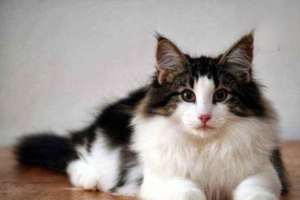
How to Train Your Cat to Drop and Play Dead on ‘Bang’
You can teach a cat trick commands using body language and a consistent 'bridge' word rather than expecting it to understand human speech. Start in a quiet, comfortable room with the cat a little hungry, then teach 'sit' (front legs up, hind legs down, rump on the floor) with freeze-dried rewards. Once that's solid, add the 'bang' signal—a finger gun—and guide the cat into a play-dead pose, holding it and rewarding. Repetition and treats are the whole secret, and a second cat speeds learning through friendly competition.

What to Do About Kidney Stones in Cats and Dogs
Kidney stones form inside the kidney, common in older cats and dogs and often found during checkups. A stone can drift into the very narrow ureter and block it, trapping urine in the kidney, causing hydronephrosis or nephritis and rapid decline; it can also strain the kidney's internal structures and lead to failure. Surgery exists but usually does more harm than good. The good news: struvite stones can often be dissolved with diet or medication once the type is identified by a urine test.
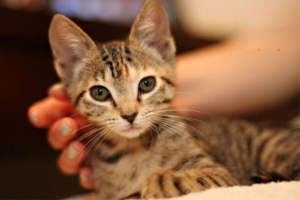
Special Nutritional Needs of Kittens
Kittens are not simply small adult cats. During rapid growth they need far more nutrition per pound of body weight—roughly twice the energy of an adult—to develop into strong, healthy adults. This guide walks through a kitten's two growth stages, explains why frequent small meals of a meat-based, easily digested formula work best, and covers the transition from kitten food to adult food around one year of age, including a gradual 5–7 day mixing period and portion control for indoor cats.
Preventing and Managing Kidney Disease in Cats
As cats age, kidney problems such as chronic renal failure become a real risk—and once chronic, it cannot be cured. Watch daily habits closely and choose kidney-supportive nutrition or a veterinary prescription diet to extend your cat's life. This guide covers starting preventive kidney-formula food early (most effective in stages 1–2), the right diet for cats already diagnosed (low phosphorus, low protein, high energy, palatable), and the importance of regular checkups to catch trouble early.
How to Supplement Vitamin B for Your Cat
Vitamin B deficiency in cats frequently appears as skin trouble—especially ringworm—along with a dull coat, weight loss, and loss of appetite, and in serious cases it can progress to eye and nerve problems. Because cats cannot store or synthesize enough B vitamins on their own, daily diet matters. This guide covers the warning signs of deficiency, why human B supplements are a poor fit for cats, and safe ways to meet their needs: B-rich cat food, small amounts of fruit, thorough drying after baths, regular disinfection of bedding and surroundings, and sunlight to help keep skin healthy.
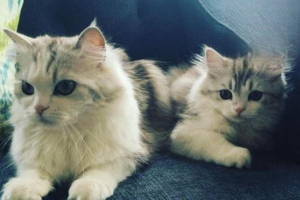
Why Your Cat Stopped Using the Litter Box
When a cat that was neatly using a litter box suddenly starts peeing on the bed or sofa, something is wrong — cats want a clean bathroom as much as we do. The usual causes are a dirty or too-small box, a hooded box they haven't adjusted to, too little litter, poor placement, strong smells from perfume or cleaners, stress, or a medical issue they can't control. Fix it by ruling out each cause, cleaning accidents thoroughly (cats smell far better than we do), staying calm instead of scolding, and gently guiding a newcomer to the box.

Can a Cat’s Cold Heal on Its Own?
Whether a cat's cold clears by itself depends largely on its own resistance and the virus's strength. A cat with good constitution can beat the virus and recover; a weak one may relapse and, in severe cases, die. Ordinary colds are rarely fatal, but serious viral colds are hard to cure and can be deadly. The common viral causes are herpesvirus (cat flu / upper-respiratory infection), calicivirus, and chlamydia—none heal by willpower alone and need targeted medication. Herpesvirus: fever, sneeze, runny nose, eye inflammation, possible mouth ulcers; calicivirus: also joint and mouth inflammation; chlamydia: also swollen lymph nodes. When unsure, see a vet for a confirmed diagnosis.

Characteristics of a Puppy’s Weaning Period
The weaning period is a major transition for puppies. As the mother's milk declines, the pups' fast growth pushes their nutritional needs up, and their digestion begins adapting to soft foods like thin meat porridge. This stage is also stressful and disease-prone — maternal antibodies hit a low around 40 days, so a careful plan matters: start supplemental feeding at 25–28 days, keep the original cage while moving the mother away, follow a fixed feeding schedule to avoid hypoglycemia, and stick to the deworming and vaccination timeline (e.g., Nobivac 2-way at 35 days, 4-way at 50 and 70 days).
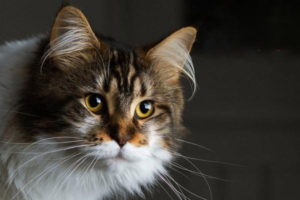
Can a Human Cold Spread to a Cat?
Owners often ask whether their cold can pass to the cat. Cats can catch it, though less easily—their resistance is generally stronger than ours, but once a cat's immunity drops it becomes vulnerable. Prevention beats treatment: an owner with a viral cold should isolate, wear a mask, and avoid sneezing or talking directly at the cat, since masks block droplet spread both ways. Keep windows open for ventilation (with screens to prevent falls). Recovery tips: watch the weather and keep the cat warm, get both cat and owner sunlight for disinfection and calcium, feed a balanced diet with taurine, B vitamins, and fatty acids, and spend time playing to keep the cat's immunity up. A cat's resistance is decent—good prevention keeps it virus-free.

What Causes Glaucoma in Dogs?
Canine glaucoma comes in primary and secondary forms. Primary glaucoma is a hereditary drainage-angle defect that blocks fluid outflow and raises eye pressure; it is common in Huskies, Chow Chows, Poodles, Cocker Spaniels, Beagles, and Maltese, usually appearing at 4–9 years. Secondary glaucoma follows eye disease such as uveitis, pupil blockage, lens luxation, or tumors. Treatment aims to lower pressure and save vision—medication works best early, but surgery is often needed later. Because early signs are subtle, at-risk breeds should have annual eye-pressure checks.